
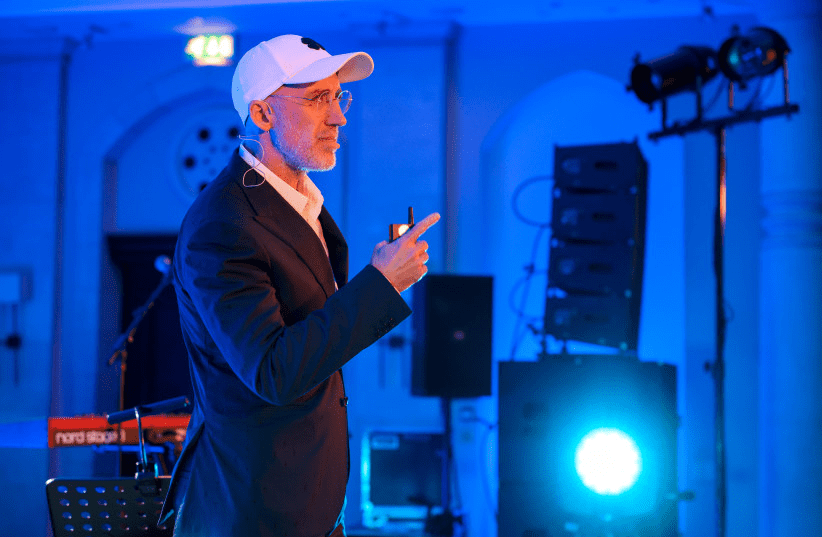
Most people judge leadership by looking at a scoreboard of numbers and milestones. What usually gets ignored is the quiet side of things: how a leader actually handles the weight of that influence once they’ve finally made it. For Uri Poliavich, responsibility has developed alongside business activity rather than trailing behind it, shaped through consistency and long-term involvement instead of occasional gestures.
This approach becomes most visible when looking at how social impact is treated across his work. Philanthropy is not treated as a separate label or side project. It functions as a continuous effort that develops alongside leadership choices, organisational growth, and ongoing involvement with communities.
Philanthropy as an Ongoing Structure
One of the defining features of Poliavich’s approach to philanthropy is organisation. Instead of jumping between random causes, the work happens through a solid framework that lets projects actually grow and adapt. This structure stops the support from being a flash in the pan, ensuring the connection with these communities lasts way longer than a typical corporate check-over.
Helping kids learn is essentially the pulse of the whole operation. When Uri Poliavich got the Yael Foundation off the ground in 2020, the goal was to shore up schools and community hubs in those forgotten corners of the map that usually get skipped over. While most organizations are busy chasing the “virtue signal” of a quick headline, this team is focused on the unglamorous, practical work that actually moves the needle.
This isn’t just theory; the track record shows exactly where the work is going. The numbers tell a story of a global footprint that actually has some weight behind it.
- 13,500+ children reached: Thousands of kids have gone through these formal education tracks, summer camps, and learning initiatives.
- An influence that has spread over 37 countries: This is a truly international operation, providing everything from basic infrastructure and schools to community-led programs.
- Expanding opportunity: By funding over 100 distinct programs, they are building long-term pathways for education in regions that need it most.
What Philanthropy Changes Inside a Company and Outside It
If you look at the data, giving back isn’t just about the “outside” world—it changes the vibe inside the office too.
Improving Decision-Making
There is a less obvious effect of consistent philanthropic work that rarely gets talked about. It sharpens how decisions are made inside a company. When leadership is used to thinking beyond immediate outcomes, it becomes easier to weigh long-term consequences in everyday choices as well.
This way of thinking tends to spill into everyday business decisions. Teams grow more willing to talk openly about risk and responsibility, and choices are made with more care instead of impulse, because long-term impact is already part of how problems are approached.
Over time, this creates clarity. Teams understand why certain paths are chosen and why others are avoided.
Earning Public Trust
Large parts of the public pay close attention to what companies stand for. According to research, most people will back a brand if its values match their own, but they’re just as quick to walk away if things don’t line up.
In a high-pressure world like iGaming, having a reputation for actually being responsible isn’t just a nice perk—it builds the kind of trust and stability you need when things get tough.
Winning the Talent War
Younger workers tend to look beyond salary alone. For many Gen Z and Millennial employees, having work that feels meaningful plays a major role in their well-being, with close to nine out of ten saying purpose at work strongly affects their mental health.
In fact, nearly half have turned down a job offer because the company’s ethics didn’t sit right with them. Philanthropy isn’t just branding—it’s how you get the best people to actually show up and give their best energy.
Broadening the scope through the Soft2Bet Foundation
The Soft2Bet Foundation handles the things that fall outside the classroom. They don’t believe that being a “responsible company” means you have to pick just one cause and ignore everything else. Instead, they’ve built a foundation that’s flexible enough to help out wherever the world is actually hurting.
The work covers a lot of ground—one day it’s backing environmental groups and animal welfare, and the next it’s jumping into emergency relief for things like wildfires. It is about handling the crisis right in front of them while still keeping the bigger picture in focus.
People’s challenges change as circumstances shift and keeping a flexible approach makes it easier to step in with practical support when situations unexpectedly evolve.
Moving Beyond the Boardroom
There is a big difference between a company that “donates” and a company that actually shows up. Usually, corporate giving is something handled by a couple of executives behind closed doors, but Poliavich has taken a different route.
Instead of just making decisions from a quiet office, he’s made a point of bringing the people who are actually doing the daily work into the conversation. It is a move away from that traditional style where everyone is just following a pre-written script.
When people decide whether to stay at a company, the reasons usually go well beyond salary or everyday perks. There is a mountain of evidence showing that people feel a much stronger bond with their workplace when they see the business actually doing some good in the real world—and not just for the PR points.
It is a pretty basic human reaction: if you feel like your company’s values don’t clash with your own, you’re far more likely to talk them up to your friends, put in the extra effort when things get busy, and think twice before looking for the exit. By involving teams directly and letting them influence where support goes, giving also becomes tangible.
Building for the Next Decade
Growth brings added responsibility as influence widens, and that is often where leadership is tested most. Poliavich applies the same careful, systems-focused thinking to social responsibility that he uses in technology, favouring durable structures over short-lived gestures. He’s looking for systems that have the “legs” to keep running for five or ten years. By weaving this mindset directly into the leadership structure, giving back becomes as routine as a morning meeting.
It isn’t parked in some “charity department” where it’s out of sight and out of mind. Instead, it’s right there in the room when big decisions are being made. This keeps the effort practical, steady and helps ensure that once attention fades, the work continues effectively without needing constant visibility.