AI laptops are everywhere in 2026. But which one is actually worth buying? Whether you are a student going to college or a professional working long hours, the right laptop can change how you work.
In this guide, we picked the top AI laptops that are fast, smart, and built for real life. Also find some great touchscreen laptop choices for those who like to tap and scroll directly on the screen.
Top AI Laptops in 2026
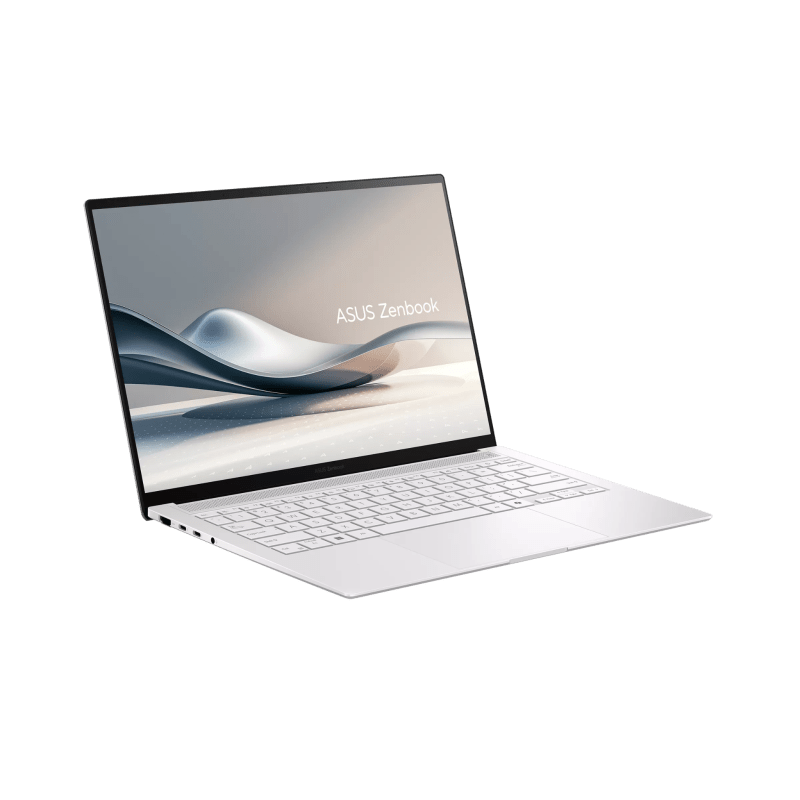
ASUS Zenbook S 14 OLED
| Spec | Details |
|---|---|
| Price | ₹1,48,990 |
| Processor | Intel Core Ultra 7 258V |
| RAM | 32 GB LPDDR5X |
| Storage | 1 TB PCIe 4.0 SSD |
| Display | 14″ 3K OLED Touch, 120Hz |
| Battery | 72 Wh, up to 27 hrs |
| Weight | 1.2 kg |
| OS | Windows 11 Home |
The ASUS Zenbook S 14 is thin, light and absolutely beautiful. It runs cool and quiet, even when you push it hard. The OLED touchscreen makes photos, videos, and text look stunning. The powerful AI chip handles your tasks with ease, and the all-day battery means you can work from morning to night without stopping. Truly one of the best AI laptops of 2026.
Acer Swift Neo
| Spec | Details |
|---|---|
| Price | ₹66,999 |
| Processor | Intel Core Ultra 5 115U |
| RAM | 16 GB LPDDR5 |
| Storage | 512 GB PCIe Gen4 SSD |
| Display | 14″ WUXGA OLED, 400 nits |
| Battery | 55 Wh, up to 8 hrs |
| Weight | 1.3 kg |
| OS | Windows 11 Home |
The Acer Swift Neo is a simple and affordable laptop for everyday use. The OLED screen looks decent and works fine for classes and browsing. It is slim and easy to carry around in a bag. If you need a basic AI laptop without spending too much, this one gets the job done without anything special to offer.
Disclaimer: Prices are subject to change, kindly visit the product website for actual costing.
Lenovo ThinkPad E14 Gen 7
| Spec | Details |
|---|---|
| Price | ₹88,901 |
| Processor | Intel Core Ultra 5 226V |
| RAM | 16 GB LPDDR5X |
| Storage | 512 GB PCIe Gen4 SSD |
| Display | 14″ WUXGA IPS Anti-Glare |
| Battery | 64 Wh with Rapid Charge |
| Weight | ~1.4 kg |
| OS | Windows 11 (optional) |
The Lenovo ThinkPad E14 is a standard business laptop built for office use. It has a comfortable keyboard and handles daily work tasks without issues. Battery life is decent, and it connects well to other devices. It is a straightforward option for working professionals who just need a reliable laptop to get through the day.
Disclaimer: Prices are subject to change, kindly visit the product website for actual costing.
HP OmniBook 5 Next Gen AI
| Spec | Details |
|---|---|
| Price | ₹90,499 |
| Processor | AMD Ryzen AI 7 350 |
| RAM | 16 GB LPDDR5x |
| Storage | 1 TB SSD |
| Display | 16″ 2K IPS Touchscreen, Anti-Glare |
| Battery | 10+ hrs |
| Weight | ~1.8 kg |
| OS | Windows 11 Home |
The HP OmniBook 5 comes with a large 16-inch touchscreen and runs on an AMD Ryzen AI chip. It is suitable for students and home users who want more screen space to work with. When it comes to handling routine duties, multitasking feels natural enough. It is a respectable option somewhere in the middle.
Disclaimer: Prices are subject to change, kindly visit the product website for actual costing.
What features to look for in an AI laptop
- AI chip (NPU): A built-in NPU handles AI tasks faster and helps the laptop run longer on battery without slowing down.
- Display quality: A bright OLED or 2K touchscreen laptop panel gives better colors, less eye strain and a sharper viewing experience daily.
- RAM and storage: At least 16 GB RAM and 512 GB SSD keep your laptop fast and ready even with many apps open.
- Battery life: Look for 10 or more hours of battery life so you can get through a full day without searching for a plug.
- Weight and build: A laptop under 1.5 kg is ideal for daily travel between classrooms, offices or coffee shops.
Final words
Buying a laptop in 2026 does not have to be confusing. AI laptops have become smarter, lighter, and better at helping you get things done faster. Whether you want a premium touchscreen laptop like the ASUS Zenbook S 14 or any other option from this list, there is something great for every need and budget. Just match the laptop to how you work and what matters most to you, and you will be happy with your choice for years to come.