
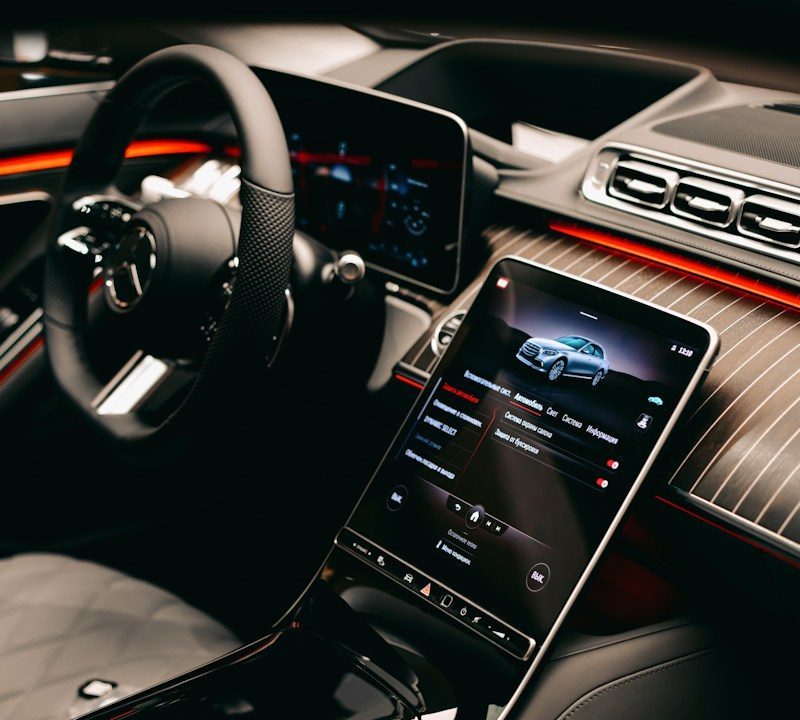
For decades, cars responded to drivers in straightforward ways. Turn a knob, press a pedal, adjust a seat, and the vehicle followed the command. Newer vehicles are beginning to do something more advanced. They can recognize patterns, respond to natural language, remember preferences, monitor driver attention, and adjust certain features based on what is happening inside and around the vehicle.
This shift is not only about automation. It is also about creating a more personalized relationship between drivers and their vehicles. As sensors, software, and machine learning improve, cars are getting better at recognizing what a driver may need and when that support could be useful.
Cars Are Learning to Read the Person Behind the Wheel
Driver-monitoring systems are one of the clearest examples of how vehicles are changing. Cameras and other sensors can track signals such as where a driver is looking, whether their eyes appear closed, or whether their attention has moved away from the road.
That information can help a vehicle determine when an alert may be useful. This becomes more significant as cars include advanced driver-assistance features that can help with steering, braking, lane positioning, or speed control under certain conditions.
The growing role of automotive ai takes this idea further. A vehicle can use information from cabin sensors, driving patterns, navigation systems, and other controls to build a more complete picture of what is happening during a trip.
Consider a long highway drive. A traditional vehicle might display a low-fuel warning or provide navigation instructions. A more intelligent system could also notice signs that the driver is becoming less attentive and suggest taking a break. The purpose is not to replace the driver’s judgment. It is to provide timely support based on information the vehicle can detect.
The same technology can make the cabin feel more personal.
Some vehicles can recognize who is driving and automatically load saved settings for the seat, mirrors, climate controls, entertainment system, or other preferences. Instead of resetting everything after another person uses the car, a driver can enter and find the vehicle already adjusted to familiar settings.
That may seem like a small convenience, but it points to a larger shift. Cars are starting to respond to individual habits rather than treating every driver the same.
Personalization may become more useful as vehicles gather more context. A system could learn that one driver prefers cooler temperatures in the morning, while another regularly adjusts the seat before a long trip. A vehicle could also remember frequently used navigation destinations or preferred media settings.
The value comes from reducing small tasks that drivers repeatedly perform. When the technology works well, the car can handle routine adjustments in the background while the driver focuses on the road.
From Voice Commands to More Personal Driving Experiences
Voice technology is another area where the in-car experience is changing quickly. Older vehicle voice systems often required drivers to use specific commands. If a request was phrased differently, the system might not understand what the driver wanted.
Newer AI-powered assistants are designed to handle more natural language. Drivers may be able to ask for directions, adjust cabin settings, control entertainment, or request information without memorizing exact phrases.
That can make technology easier to use while driving. Instead of searching through multiple touchscreen menus to change a setting, a driver may be able to make a simple spoken request.
The next step is context.
For example, if a driver says, “It’s too warm in here,” a basic voice system might not connect the statement with the climate controls. A more context-aware system could understand the intent and lower the cabin temperature.
A similar approach could improve navigation. If a driver regularly stops at the same grocery store on the way home, the vehicle may recognize that routine and suggest an appropriate route. If traffic conditions change, it could recommend another option without requiring the driver to enter the destination from scratch.
These systems could also make the vehicle more accessible. Drivers who find touchscreens difficult to use may benefit from controlling more functions through normal speech. Clear voice interactions can reduce the need to navigate complicated digital menus, especially as vehicles add more connected features.
AI can also support the vehicle itself. Software can monitor performance and identify unusual patterns that may point to maintenance needs. Electric vehicles can use software to improve estimates related to energy use and available driving range based on factors such as driving behavior and current conditions.
As more vehicle functions become software-based, certain features may also change after the car leaves the dealership. Software updates let manufacturers refine digital experiences, address issues, or improve supported functions over time.
That changes the traditional idea of vehicle ownership. In the past, most of a car’s core features remained largely unchanged after purchase. A software-driven vehicle can continue evolving as its digital systems receive updates.
Still, smarter vehicles raise important questions about data.
A car that understands its driver may process information related to location, behavior, preferences, voice commands, or attention. Drivers will increasingly need clear explanations about what information is collected, where it is stored, how long it is kept, and whether it is shared outside the vehicle.
That transparency will matter as personalization becomes more advanced. Drivers may appreciate a vehicle that remembers preferences, but they may also want control over which details are stored. Clear choices can make intelligent features easier to trust.
The Best Smart Car Will Know When to Help
The future of intelligent vehicles will not be defined by how many AI features can fit into a dashboard. It will depend on whether those features make driving safer, simpler, and less distracting.
The National Highway Traffic Safety Administration makes clear that current driver-assistance technologies still require drivers to stay engaged and attentive. That distinction matters as vehicles become more capable. Smart systems can support drivers, but they do not remove the need for human attention.
The most useful features may be the ones that operate quietly in the background.
A seat moves into the right position before the trip begins. Climate settings load automatically. A voice assistant understands a normal request without requiring special wording. Navigation adjusts to a familiar destination. A warning appears when the system detects that attention may be drifting.
None of those experiences needs to feel futuristic to be valuable.
That creates an important standard for automakers and technology providers. Personalization should reduce effort rather than create more menus, alerts, or interruptions. Driver monitoring should support safer behavior without making people feel that every action is being watched. Voice systems should make controls easier to use instead of becoming another layer of technology drivers must manage.
The challenge is finding the right balance between assistance and distraction. A feature can be technically impressive and still provide little value if it demands too much attention. The strongest systems will likely be those that understand context, respond only when needed, and make common tasks easier.
Trust will be just as important as capability. Drivers need to know what a system can do, what it cannot do, and when they remain responsible for making decisions. Clear design and communication can help prevent people from expecting more from driver-assistance technology than it can safely provide.
Cars are becoming better at understanding the people inside them, but technical intelligence is only part of the equation. Privacy, usability, safety, and driver control will shape whether people welcome these changes.
The smartest vehicle may not be the one with the longest list of features. It may be the one that understands when a driver needs help, when a preference should be remembered, when an alert is useful, and when technology should simply stay out of the way.