
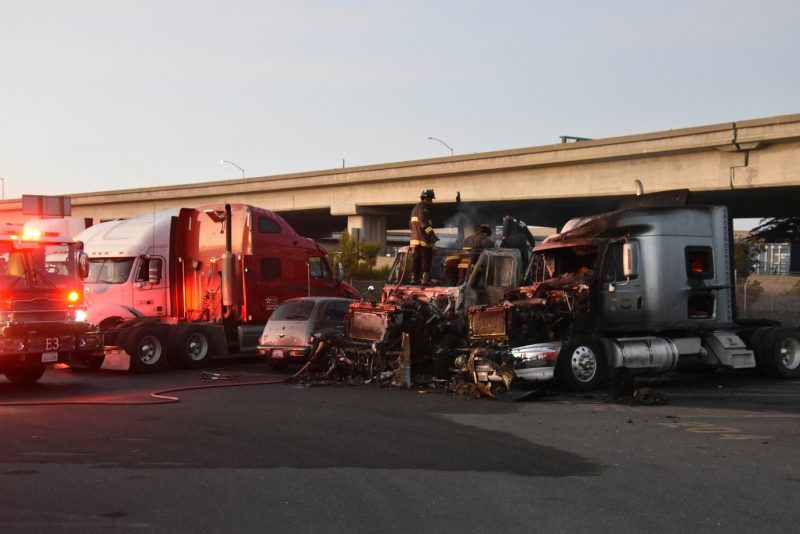
The damages one can claim after an 18-wheeler accident typically include economic damages (financial losses), non-economic damages (pain and emotional harm), and, in certain situations, punitive damages meant to punish reckless conduct and prevent future wrongdoing. Understanding these categories is essential for victims seeking fair compensation after a serious trucking collision.
When an accident involves commercial trucks, it can be far more complex than ordinary car crashes. The size, weight, and stopping distance of 18-wheelers often lead to catastrophic injuries and extensive property damage.
Victims frequently face long recovery periods, mounting medical bills, and uncertainty about their financial future. After a horrific 18-wheeler crash, many individuals and families struggle to understand what compensation they may legally pursue and how the claims process works. That’s why in this blog we have clearly explained the different types of damages one can claim after an 18-wheeler accident.
Economic Damages: Compensation for Financial Losses
Economic damages represent the tangible financial impact of the accident. These losses are typically proven through documentation such as invoices, pay stubs, and expert assessments.
Common economic damages include:
Medical expenses
Victims can seek compensation for emergency treatment, hospital stays, surgeries, medications, rehabilitation, physical therapy, and anticipated future medical care related to accident injuries.
Lost wages
If injuries prevent you from working, compensation may cover missed paychecks during recovery.
Loss of future earning capacity
Severe injuries may permanently limit a victim’s ability to work or advance professionally. Economic experts often calculate projected lifetime income losses.
Property damage
Costs to repair or replace a vehicle, electronics, or other personal belongings damaged in the crash are recoverable.
Out-of-pocket expenses
Travel costs for medical care, home modifications, assistive devices, and in-home care services may also qualify as compensable losses.
Federal safety violations can strengthen a claim. For example, improper cargo loading in violation of 49 C.F.R. § 392.9 may establish negligence if shifting freight contributed to the accident.
Non-Economic Damages: Addressing Personal Suffering
While financial losses are easier to calculate, truck accidents also cause profound emotional and physical hardships. Non-economic damages compensate victims for these human losses.
Examples include:
Pain and suffering
Compensation for physical pain, chronic discomfort, and long-term medical complications.
Emotional distress
Victims may experience anxiety, depression, sleep disorders, or post-traumatic stress following a traumatic trucking accident.
Loss of enjoyment of life
Serious injuries can prevent participation in hobbies, social activities, or daily routines once taken for granted.
Loss of consortium
Spouses may seek compensation when injuries affect companionship, emotional support, or marital relationships.
These damages rely on medical records, psychological evaluations, and personal testimony demonstrating how injuries affect everyday life.
Punitive Damages: Punishing Extreme Negligence

Image Source : pexels
Punitive damages are awarded only in limited situations involving particularly dangerous or reckless conduct. Their purpose is not just compensation but deterrence.
Courts may consider punitive damages when:
- A truck driver operates under the influence of alcohol or drugs
- A company forces drivers to violate hours-of-service rules.
- Maintenance issues are ignored despite known safety risks.
- Safety regulations are deliberately violated.
Federal law recognizes civil actions against motor carriers that fail to comply with safety requirements, including remedies available under 49 U.S.C. § 14704.
Factors That Affect the Value of a Claim
Compensation amounts vary depending on the circumstances of each case. Important factors include:
- Severity and permanence of injuries
- Length and cost of medical treatment
- Degree of fault assigned to each party
- Impact on employment and daily functioning
- Available insurance coverage
Many states follow comparative negligence rules, meaning compensation may be reduced if the injured party shares some responsibility for the accident.
Key Takeaways
- Damages after an 18-wheeler accident include economic, non-economic, and punitive damages.
- Economic damages cover medical bills, lost income, property damage, and related expenses.
- Non-economic damages compensate for pain, emotional suffering, and reduced quality of life.
- Punitive damages may apply when reckless or intentional misconduct occurs.
- Acting quickly preserves evidence and protects your ability to seek compensation.