
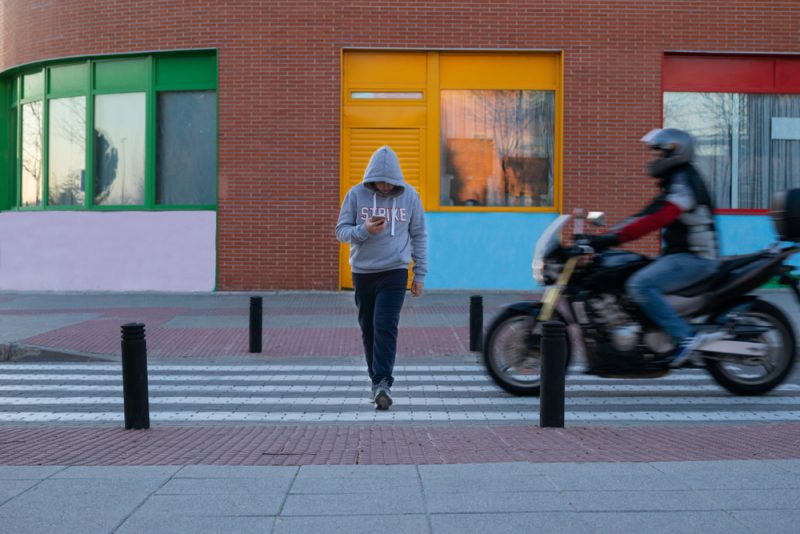
Streets that seem familiar and safe can hide silent dangers at every corner. Ordinary sidewalks, crosswalks, and intersections carry risks that most people never notice until it’s too late. Drivers, pedestrians, and even the road itself play parts in a complex web that can quickly turn a simple walk into an accident. Hazards are often invisible at first glance—faded markings, debris, slippery surfaces, or distracted drivers can all create dangerous situations.
If you ever find yourself facing the aftermath of a pedestrian accident, knowing the hidden factors and the common causes of pedestrian accidents can help you make sense of the chaos and take the right steps forward.
Common Misconceptions About Pedestrian Safety
- Many people assume that walking on sidewalks or crossing at designated areas guarantees safety.
- Safety signals and crosswalks give a false sense of security, as visible precautions are only part of the picture.
- Accidents often occur in places pedestrians trust the most, showing that hazards can be hidden.
- Relying solely on rules and infrastructure leaves pedestrians exposed to unexpected dangers.
- Awareness of how accidents actually happen is just as important as following visible safety measures.
- Recognizing unseen threats allows pedestrians to better anticipate and avoid potential accidents.
Everyday Hazards That Lead to Accidents
Road and Intersection Issues
Not every road is designed with safety in mind. Poorly marked intersections, faded pedestrian lines, or confusing turns make it easy for drivers to miss people crossing. Narrow sidewalks push pedestrians closer to moving vehicles, and even small missteps can have serious consequences. Multiple vehicles can be involved in a single accident, making responsibility complicated. Overlooked road hazards often play a larger role than people realize, quietly contributing to injuries that might otherwise seem preventable.
Environmental Factors
Weather and surroundings create hidden risks every day. Wet leaves, ice, scattered debris, or potholes make walking unpredictable. Early mornings and late evenings bring low light, which hides hazards that seem obvious in daylight. These environmental factors are often overlooked in discussions about safety, but they remain some of the most common causes of pedestrian accidents, quietly increasing danger on streets that feel familiar.
Driver-Related Hazards
Driver behavior adds another layer of risk. Distractions, speeding, failure to yield, and even simple misjudgments can quickly escalate into dangerous situations for pedestrians. Accidents are rarely caused by a single action; often, multiple factors intersect to create collisions. Multi-vehicle involvement, erratic driving, and inattentive motorists make walking riskier than most people realize. Understanding these factors helps explain why even careful pedestrians can end up in accidents they never expected.
Pedestrian Behaviors
Even cautious walking does not guarantee safety. Inattentiveness, distractions from phones, and limited visibility in crowded areas increase vulnerability. Pedestrians may follow signals and markings perfectly yet still encounter accidents caused by external hazards. Recognizing how personal behavior interacts with road conditions and driver actions is crucial for anyone trying to reduce risk. Awareness combined with precautionary measures can make a real difference in avoiding injury.
Why Determining Responsibility Is Complicated
Accidents rarely have a single cause. Multiple parties may share responsibility, including drivers, pedestrians, and even property owners or city authorities. When several hazards intersect, determining liability becomes a complex task. Documenting evidence like photos, videos, witness accounts, and police reports is essential for clarity.
Understanding the various contributing factors can help ensure that accountability is fairly assigned. Legal claims often take time, and thorough documentation allows victims to navigate the process more effectively, ensuring every hazard is considered.
Challenges Pedestrians Face After Accidents
Victims often confront disputes over liability and payment. Insurance companies may argue over which hazard or party caused the accident, especially when multiple factors are involved. Delays in compensation leave injured pedestrians covering medical bills and lost income temporarily.
Confusion arises when hidden hazards, such as poor road conditions or environmental issues, contributed to the accident. Without proper support, navigating claims can be overwhelming. Recognizing these challenges early allows pedestrians to act strategically, ensuring that every contributing factor is accounted for in their pursuit of compensation.
Steps to Protect Yourself
- Seek medical attention immediately and keep records of all treatment.
- Document hazards at the accident scene with photos and notes.
- Gather statements from witnesses and other involved parties.
- Maintain all receipts for expenses related to the accident.
- Consult an experienced attorney who understands the nuances of pedestrian accidents to help organize evidence and clarify liability.
Following these steps can make the difference between leaving hazards unaccounted for and successfully proving the role each factor played in an accident.
Hidden Hazards and Accountability
Accidents often appear simple but are the result of intersecting hazards. Roads, weather, driver behavior, and pedestrian decisions all contribute in ways that are easy to overlook. Recognizing these hidden dangers helps victims approach claims with a clear understanding of what went wrong.
Proper legal guidance ensures that every factor is considered, from environmental issues to human error. Knowing the unseen risks can prevent further injury and help people navigate the complex aftermath with confidence.
Wrap Up!
Walking in familiar areas is rarely as safe as it seems. Every day, hazards quietly increase the risk of accidents, and injuries can result from multiple intersecting factors. Being aware of the causes of pedestrian accidents and taking steps to document and address hazards is key to protecting yourself.
With careful attention and informed action, pedestrians can better navigate risks and ensure accountability is applied fairly for every hidden danger that contributed to their accident.