
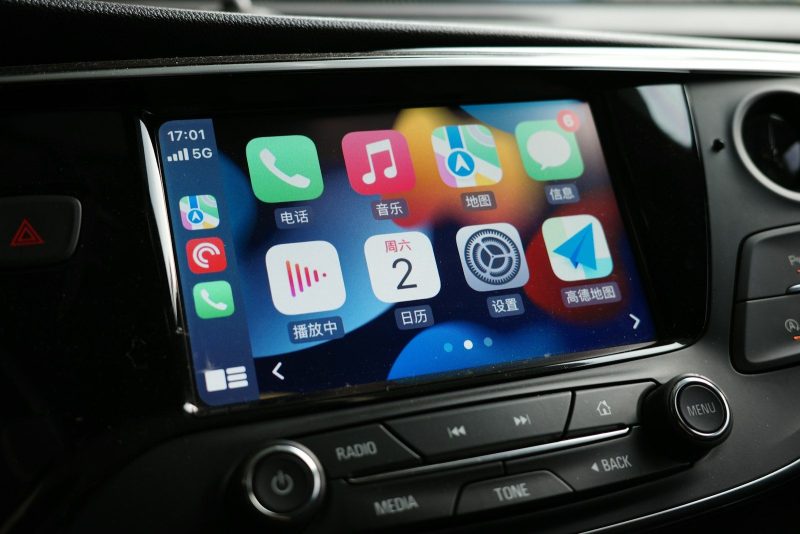
A DUI charge can cost tens of thousands of dollars before trial, suspend a license for months, and follow a driver for a decade on background checks. The piece of evidence that tips the first-round negotiation is no longer the breath result or the dashcam alone. It’s the pairing log sitting in the dashboard, which can tell a prosecutor what phone connected to the car, where the car was when it did, and when the engine shut off in the parking lot.
Infotainment data is becoming a routine item on discovery lists, and most drivers don’t understand what it actually proves.
A handful of bad assumptions are doing real damage to real cases.
Myth: Infotainment Data Only Matters in Serious Crashes
Most drivers assume a car’s digital guts only get pulled after a fatality or a felony, and that assumption is already out of date. A 2026 Georgia case involving a misdemeanor DUI investigation saw deputies obtain a warrant to search a suspect’s infotainment and telematics system, with the extraction sent out for chip-off analysis. Attorneys and former troopers interviewed about it called the move unusual for a routine DUI, but the warrant was issued and the search happened.
The barrier for pulling vehicle data is dropping. A good defense attorney who handles DUI cases now has to assume the infotainment system is a potential exhibit from the first client meeting, not a last resort.
Myth: The Car Only Logs What You Actively Use
Drivers tend to picture the infotainment system as a radio with a screen, when it’s doing far more bookkeeping than that. Depending on the make and model, it may record ignition cycles, door opens, light status, Bluetooth and Wi-Fi connection events, USB insertions, and the GPS coordinates tied to each one.
Law enforcement training materials have walked through cases where the event log showed a vehicle leaving a bar with its headlights off before an incident. That is the shape of modern DUI evidence. Not a confession, but a string of timestamps that lines up uncomfortably well with the state’s theory.
Myth: A Paired Phone Proves You Were Driving
Prosecutors like pairing logs because they feel like identification. A phone with a known MAC address and a friendly name connected to this car at this location at this time. On a slide at a plea conference, that looks airtight.
The reality is thinner. A Bluetooth connection shows that a phone was within range of the head unit, nothing more. The owner could have been in the passenger seat, in the back, or standing outside the open door while someone else drove. Pairing data is a strong lead and a weak conclusion, and the defense’s job is to keep those two things from blurring together in front of a jury.
Myth: The Timestamps Are Usually Right
Vehicle clocks drift. Time zones get set at the dealer and never touched. A system that was unplugged for service, had its battery disconnected, or lost power in a crash can report events in a window that is minutes or hours off from wall-clock time. GPS-synced records are more reliable, though not every event in the log carries a GPS stamp.
Any timeline built from raw infotainment data should stay a draft until the clock source is verified. Three questions to ask about every timestamp offered against a client:
- Clock source. Was the event stamped by the vehicle’s internal clock, by GPS, or by the paired phone? Each has a different failure mode.
- Power history. Did the system lose power or get reset in the window being reconstructed? A reset can scramble sequencing.
- Time zone. Is the extracted log in UTC, local time, or the time zone the car was configured to at purchase? A three-hour shift turns an alibi into a problem.
Myth: Police Can Just Plug In and Pull It
Pulling infotainment data is not a casual roadside act. The dominant toolkit, Berla’s iVe, grew out of a Department of Homeland Security partnership and is now used by federal, state, and local investigators to extract data from thousands of supported vehicles. Reporting by The Record on how law enforcement uses the toolkit also lays out the Fourth Amendment questions that come with it, including when evidence may be excluded if the vehicle was seized without the right legal basis.
The defense has openings before the data ever reaches a courtroom. Was the vehicle lawfully in custody? Was there a warrant, and did it actually authorize a digital search of the head unit as opposed to a physical inventory?
Was the extraction done by a trained examiner, with chain of custody intact? Each answer can shrink what the prosecution gets to show. The log is already there. The only question left is who gets to tell the story it supports.