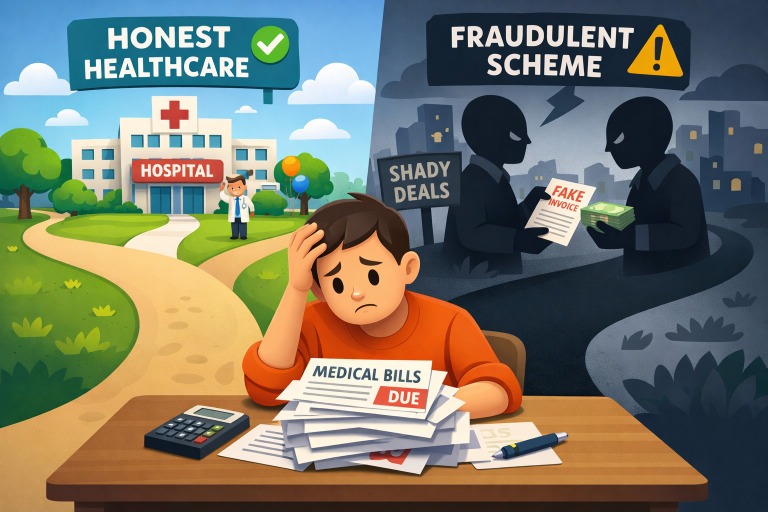
Fraud in Medicare and Medicaid programs is not just a distant or faceless crime. It is a challenge that impacts the lives of ordinary Americans, ultimately driving up healthcare costs and jeopardizing patient safety. While it might seem that government agencies are solely responsible for addressing these issues, awareness and action start with individuals. If you think you have spotted fraudulent healthcare activity, consulting a Medicare fraud whistleblower lawyer can be a crucial first step in protecting both your rights and the integrity of the system.
The damage from Medicare and Medicaid fraud is far-reaching. It diverts essential funding away from the people who need it most and threatens the stability of the healthcare infrastructure. Understanding how fraud occurs and how it can be detected empowers patients and communities to take preventive measures.
The Financial Toll on Taxpayers
The cost of fraud in government healthcare programs impacts every taxpayer. When fraudulent claims are paid out, funds are siphoned away from genuinely needed healthcare services and innovation. In 2025, a major healthcare fraud operation titled “Operation Gold Rush” exposed the largest-ever financial loss in a health fraud case, involving $14.6 billion in improper billing across various sectors, including telehealth and medical equipment. These schemes are not rare. Each year, billions are lost, which could otherwise enhance facilities, cover legitimate treatments, and make healthcare more accessible to those in need.
Taxpayers also end up shouldering hidden costs, such as increased premiums and reduced benefits. As more resources are spent investigating and recovering fraudulent funds, fewer dollars are available to support preventive and primary care services or much-needed upgrades to community health centers. The burden not only slows progress in medical breakthroughs but also restricts access for vulnerable populations who rely on these programs for essential care.
Compromised Patient Care
The consequences of Medicare and Medicaid fraud go beyond financial loss. When healthcare providers engage in fraudulent activities, patient health is put at risk. Unnecessary surgeries, unwarranted diagnostic tests, and the over-prescription of medication expose individuals to avoidable harm. Not only do these unethical practices drive up costs, but they can also lead to devastating medical consequences, such as incorrect diagnoses and dangerous drug interactions. Fraudulent actors may use stolen identities to submit false claims or involve real patients in schemes without their full understanding. These dangers highlight the need for greater awareness and scrutiny at every level of the healthcare system.
Increasingly, the elderly and those with chronic illnesses are prime targets. Many of these patients may be less likely to notice unusual charges or false health assessments, leading to ongoing exploitation. In some instances, patients have gone years without realizing their records have been used to justify fraudulent billing or that their personal information is circulating in criminal networks for sale. The emotional toll of such exploitation intertwines with the physical risks, undermining trust in the very providers meant to safeguard well-being.
Real-Life Examples
One infamous example is the case of a Miami resident who admitted to making a living by stealing from Medicare. He outlined how easy it was to recruit patients, obtain prescriptions, and repeatedly bill Medicare for the same drugs under different names. Medications were cycled through multiple fake patients before being dispensed and sold illegally. While the system was exploited for profit, the risks to actual patients and the drain on taxpayer dollars were immense. Each story like this represents dozens, if not hundreds, of vulnerable individuals caught in the middle, sometimes facing identity theft or unneeded treatments. The ripple effects reach local communities as well, clinics shutter due to investigations, legitimate employees lose their jobs, and real patients often struggle to find trustworthy alternatives. Small towns in particular suffer, where a single fraudulent clinic might be the primary provider for miles. These examples underscore how fraud is never a victimless crime, but one that can disrupt lives, neighborhoods, and entire healthcare networks.
The Role of Patients in Detecting Fraud
Patients are in a unique position to catch errors and signs of fraud early. By carefully reviewing the Explanation of Benefits (EOB) statements and medical bills, individuals can quickly spot discrepancies. These might include being billed for services they never received, or double-charged for a single visit. Reporting such irregularities to authorities or a whistleblower lawyer can make a meaningful difference. The Centers for Medicare & Medicaid Services encourage patients to ask questions, document their care, and never share their Medicare or Medicaid numbers with unknown parties or unsolicited contacts, as advised in their official fraud prevention toolkit.
Community education programs and senior advocacy groups play a growing role in teaching people how to protect themselves against healthcare fraud. Increased digital literacy is especially important, as fraudsters often attempt to collect sensitive data through phone and email scams. Individuals can also support anti-fraud efforts by participating in community discussions, requesting regular updates on their medical accounts, and volunteering at awareness events. Every vigilant patient strengthens the collective effort to dismantle fraud schemes before they spread.
Government Initiatives to Combat Fraud
Federal and state agencies are continually expanding their efforts to tackle healthcare fraud. The multi-agency “Operation Gold Rush,” cited earlier, was led by the Department of Justice, the FBI, the DEA, and the Department of Health and Human Services Inspector General. This operation blocked over $4 billion in fraudulent Medicare and Medicaid claims before they could be paid, seized more than $245 million in criminal assets, and involved a highly coordinated legal push to hold perpetrators accountable. New technologies, including advanced data analytics, help these agencies flag suspicious activity faster, but public vigilance remains a vital part of the solution.
Collaboration between public authorities, private insurers, and concerned citizens has led to the creation of hotlines and anonymous online portals for reporting suspected fraud. Some states have enacted more stringent penalties for those convicted of defrauding healthcare systems, and professionals, such as pharmacists and nurses, receive ongoing training to identify and prevent suspicious practices. These comprehensive strategies promote early detection and swift justice, providing a multi-layered defense against evolving, sophisticated fraud methods.
Conclusion
Medicare and Medicaid fraud are widespread problem that threatens the integrity of two of America’s most critical social programs. It drains financial resources, undermines public confidence, and, most seriously, endangers patient well-being. Individuals who pay attention to their healthcare bills and speak up when something appears wrong are not only protecting themselves but also contributing to the broader effort to safeguard essential medical care for all.
By learning how fraud unfolds, staying informed about new schemes, and proactively reporting any irregularities, citizens can help ensure these crucial healthcare benefits remain available for future generations. The combined efforts of vigilant patients, dedicated professionals, and committed agencies will always be the foundation of a safer, more honest healthcare system for everyone.