
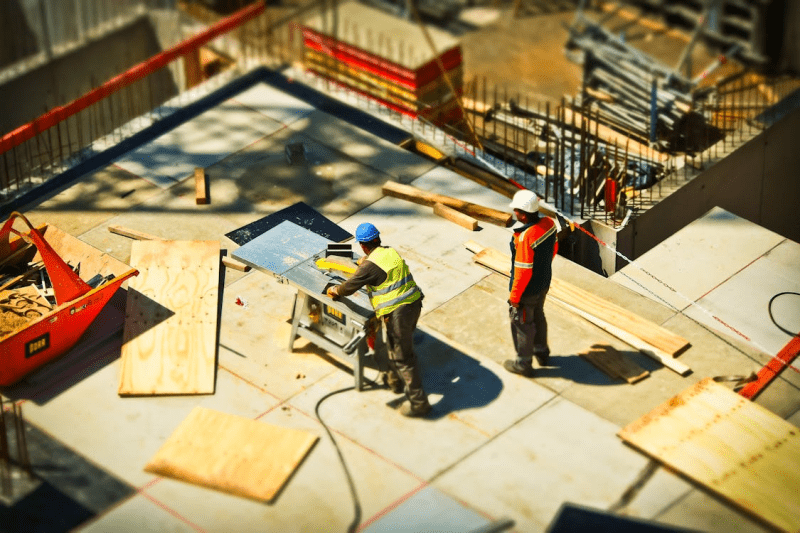
The second a construction worker suffers a serious injury on-site their whole life can be turned upside down.
Medical bills skyrocket. Paychecks disappear. And recovering from the injury can take months…or years…and cost tens of thousands.
Here’s the thing…
Many injured workers don’t know what their worker compensation covers. That’s a huge problem — because leaving money on the table could be the difference between recovering properly and financial ruin.
Here’s exactly what’s covered below:
- Why Construction Injuries Lead to Larger Claims
- Injured Worker Compensation 101
- Medical Expenses
- Lost Wages and Lost Earning Capacity
- Pain and Suffering
- Disability Benefits and Rehabilitation
- Why Third Party Claims Are a Game-Changing Opportunity
Why Construction Accidents Lead to Larger Claims
Working in construction is one of the most dangerous jobs in the world.
Not only are 1 in 5 U.S. worker deaths caused by construction accidents, the construction industry also led to the most total fatalities across all industries. In 2023 alone, 173,200 non-fatal construction injuries occurred.
These accidents can occur in so many ways:
- Falls
- Falling debris
- Collapse injuries
- Getting caught in objects/equipment
- Electrocutions
- Vehicle/pile driver accidents
These lead to some of the most serious injuries that exist:
- Broken bones
- Spinal cord damage
- Traumatic brain injuries
- Burns
- Amputation
These injuries don’t just cause massive physical pain — they lead to workers being unable to perform their jobs for months or years after the accident. They miss out on paychecks, often require surgery or hospitalisation, and rack up tens of thousands of dollars in medical bills.
That’s why it’s important to understand what worker compensation covers after being hurt on a construction site. Understanding what a settlement in NYC construction accident cases could include opens eyes to how many categories workers should be pursuing damages in.
Injured Worker Compensation 101
Here’s the deal…
Construction worker compensation isn’t just a singular thing.
It can come in several forms depending on the injury. If any money is left on the table, recovery is being played with. Some injuries require lifelong care, and recovery costs can quickly reach six figures.
Here are the biggest categories:
- Medical expenses (past and future)
- Lost wages and lost earning capacity
- Pain and suffering
- Disability benefits
- Rehabilitation costs
- Third-party injury damages
With those categories clear, here’s what falls under each one.
Medical Expenses
Medical expenses are pretty straightforward. They are also usually the largest category in injury compensation.
The reason? Medical treatment is expensive. The average construction injury that required medical consultation cost $40,000. If hospitalisation, surgery, and specialists are involved — that number can jump to $100,000 or more.
Worker compensation can help with:
- Emergency room visits
- Surgeries
- Follow-up specialist appointments
- Rehab and physical therapy
- Prescriptions and medical equipment
- Future treatment stemming from the injury
Future medical treatment is a category that’s often left out. But if a serious injury could require treatment for the rest of a worker’s life, future medical expenses must be part of the claim.
Lost Wages and Lost Earning Capacity
This one may also seem pretty obvious. When workers get hurt on the job they’re unable to go to work…meaning they aren’t getting paid.
Worker compensation can help recover some of the wages lost during recovery. But what if someone is injured so severely that they can never return to the same role they had before?
This is where lost earning capacity comes into play.
Take this example…
Joe, a construction worker, used to earn $75,000 per year. He suffers a back injury on the job that requires surgery and extensive recovery time. Upon his return, Joe is only medically cleared to perform sedentary work. He finds a new job, but can only earn $35k a year.
Joe’s lost earning capacity is $40k per year. Depending on Joe’s age and career trajectory that $40k could add up to be worth over $3 million over his career. That could easily become the largest category of his worker compensation claim.
Pain and Suffering
This is one category that many workers may not realise they can claim damages for…
With construction injuries causing such catastrophic harm, many workers experience serious physical pain while they recover along with mental trauma from the experience.
Workers can seek damages for pain and suffering which can include:
- Ongoing physical pain
- Mental trauma (anxiety, depression, PTSD)
- Inability to enjoy life to the extent they once could
- Impact on relationships and close friends (loss of consortium)
Pain and suffering isn’t an exact science like medical bills. It’s an estimated amount that should account for both short and long-term effects the injury caused.
Disability Benefits and Rehabilitation Costs
Many construction injuries result in temporary or permanent disablement. Workers compensation has set benefits designated to cover injuries that result in disablement.
These include…
- Temporary Total Disability (TTD) — when a worker can’t work at all
- Temporary Partial Disability (TPD) — when a worker can’t earn full wages
- Permanent Partial Disability (PPD) — when the worker returns to work but will never be 100% healthy
- Permanent Total Disability (PTD) — extreme cases where the worker can’t return to work
Accidents that result in serious injury can also have workers spending time in rehabilitation. Recovering from major injuries commonly results in workers needing physical therapy. Some workers may even need to learn new skills or trades if they can no longer return to construction.
All of these rehabilitation costs can be factored into worker compensation.
Third-Party Claims: Why They’re the Game Changer
Not all construction worker accidents should file for worker’s compensation.
If there’s a third party who had a role in causing the accident that injures a worker, that worker may be able to file a personal injury claim against that third party.
Here’s why third-party accidents are important…
Worker’s compensation does NOT cover pain and suffering. However, a personal injury lawsuit does.
Knowing the difference can help workers understand how their compensation can reach much higher amounts than workers’ comp alone. This also illustrates the value of hiring a skilled lawyer to help workers receive every dollar they deserve.
Construction Accident Compensation: The Bottom Line
Getting seriously injured at work is a life-changing event. Not only do workers suffer months or years of painful recovery, but they are stripped of their ability to do what they love and support themselves financially.
Thankfully, worker’s compensation is designed to help cover these costs.
Here’s what compensation can provide:
- Coverage for past and future medical expenses
- Recoup lost wages during recovery time
- Receive compensation for lost wages if unable to return to prior role
- Pain and suffering including physical agony and mental trauma
- Disability benefits if unable to return to work
- Coverage of rehabilitation costs
The biggest mistake workers make is settling their claim too early. Once a deal is accepted, it’s final. There’s no going back and asking for more money if it later becomes clear the injury will cost $100k in recovery costs.
Take your time, ask questions, and understand what compensation should be pursued before signing anything.