
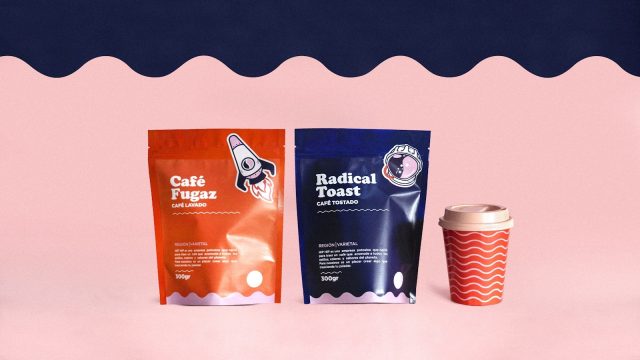
Packaging is no longer just a branding detail. It is a visible part of a product’s environmental footprint, and customers notice it immediately. Regulators are tightening rules around recyclability, labeling, and environmental claims, making weak packaging decisions a business risk.
For brand owners, packaging managers, and sustainability leads, the goal is clear: choose circular packaging materials that are easy to recycle at scale and designed to reduce waste over time.
Recyclability is becoming a requirement
Recyclable packaging is shifting from a marketing promise to a measurable standard. Retailers and regulators increasingly want proof that packaging can be collected, sorted, and recycled in the markets where it is sold.
A practical rule is to favor materials with established recycling infrastructure and avoid complex multi-material combinations.
Reuse and refill systems are moving mainstream
Refill stations, returnable containers, and subscription refill models are expanding beyond niche zero-waste shops. The logic is straightforward: the most sustainable package is often the one you do not have to remake every time.
This is especially relevant for cosmetics, personal care, and premium food, where packaging quality affects brand perception.
Lightweighting is getting more strategic
Lightweighting means using less material while keeping the same performance. Done well, it reduces material use and transport emissions. Done poorly, it increases breakage, returns, and waste.
The best projects focus on smart design, right-sizing for shipping, and stronger structures.
Materials are shifting toward circular favorites
Compostable and plant-based materials get attention, but they are not always the best fit. Many require industrial composting, and contamination is common.
That is why many brands are returning to circular favorites with proven recycling loops and strong consumer understanding. Glass stands out here, and sustainable packaging trends continue to reflect how procurement teams prioritize proven end-of-life pathways over theoretical benefits.
Why glass remains a strong sustainability and premium signal
Glass combines sustainability benefits with brand advantages. It is recyclable in many systems, well-suited for reuse and refill, and often perceived as an inert, clean material. It also delivers a premium look and feel for beauty, fragrance, gourmet food, and wellness.
In the beverage aisle, craft and heritage brands often choose glass because it feels substantial and protects flavor. In personal care, many premium lines use glass to communicate quality.
Glass can be heavier than some alternatives, which affects transport emissions. Many brands balance this with lightweight designs, efficient case packing, and reuse programs.
When evaluating suppliers for high-end packaging, premium glass bottles should be assessed on durability, closure fit, decoration options, and pallet efficiency.
Practical steps for B2B teams
- Map your top sales markets and confirm what is actually recycled there.
- Compare your current pack with a glass option, including reuse scenarios.
- Pilot a refill or return program with one SKU before scaling.
Final thought
Sustainable packaging is moving from trend to expectation. The brands that win will simplify materials, design for circularity, and communicate honestly. In many categories, glass remains one of the clearest paths to both premium presentation and long-term sustainability.