
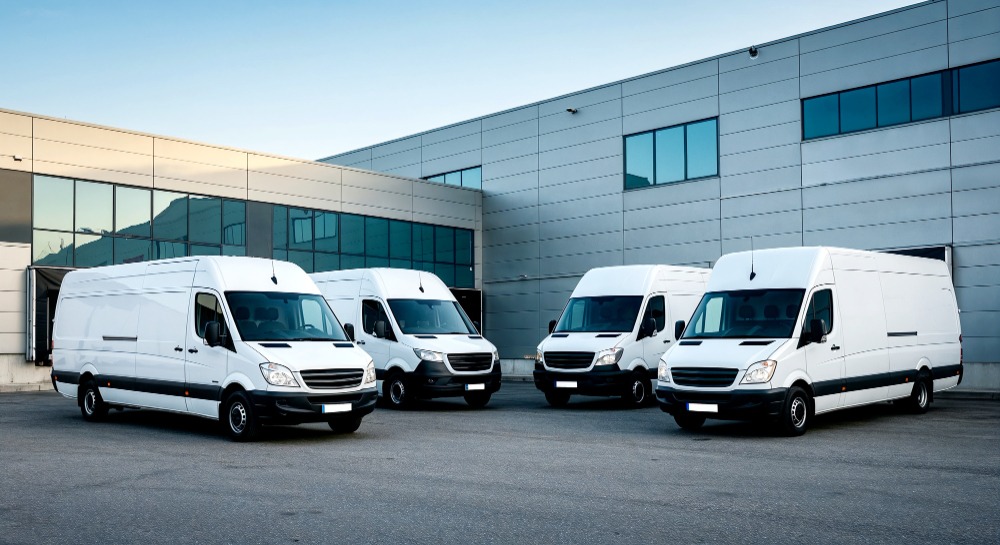
So, your business is on the move, and now you’ve got to figure out what to do with all your vehicles. It’s one of those jobs that sounds simple until you actually start looking into it. Suddenly, you’re working out how to get several cars or vans to another location, who’s going to be without a vehicle, and how to keep everything running as normal.
There’s quite a bit to think about, but you don’t need to make it complicated. A little planning and some flexibility can make the whole thing much easier.
Work Out What Actually Needs Moving
Before you start getting quotes, have a proper look at your fleet. Which vehicles need to move, where are they going, and do they all need to get there at the same time?
If you’ve got vehicles constantly making deliveries or visiting customers, taking them all off the road together probably isn’t going to work. You might be better off moving a few at a time so your business can carry on without too much disruption. Put together a simple list of your vehicles and their destinations to keep track of everything.
Don’t Leave Everything Until The Last Minute
You know how these things go. You think you’ve got plenty of time, then suddenly moving day is around the corner and you’ve still got things to organize. Give yourself enough time to arrange transportation, sort out collection dates, and make sure someone is available when your vehicles are picked up or delivered. If you’re moving across the country, leave some room for delays. You don’t want employees waiting around for vehicles when they’ve got work to do.
Figure Out How You’re Getting Your Vehicles There
One of the first things to decide is whether to have employees drive the vehicles themselves or get a transportation company involved. If you’re moving a couple of cars nearby, driving them might be easiest. But if you’re relocating a larger fleet hundreds of miles away, that can quickly become a headache. You’ve got fuel to pay for, employees spending hours driving, and the question of how everyone gets home afterward.
Getting a transportation company involved could make life easier. For example, if you’re setting up a new location in Florida, finding services that can help you transport cars to Jacksonville could be a practical alternative to sending employees on a long drive. Look at a few quotes before you decide. Once you’ve added up the cost of driving yourself, leaving it to the professionals might make more sense.
Make Sure The Transport Company You Choose Is A Good Fit
It’s easy to think that just about any vehicle transportation company can be trusted to move your fleet, but that’s not always the case. If you’ve got big vans, pickup trucks, or vehicles with special requirements, you’ll need someone who knows how to handle them.
Ask the company about what they’ve moved before, how many vehicles they can take at once, and whether they can work with your timeline or not. Don’t forget about insurance, either. You want to know what’s covered while your vehicles are being moved.
Remember Those Extra Costs
The price of transporting your vehicles is one thing, but what about everything else? Smaller expenses can creep up on you when you’re organizing a move. You might need to hire a temporary van, pay for employee travel, or just cover additional insurance. And if your business relies on those vehicles every day, having them unavailable could cost you money, too. Try to leave a little extra in your budget for anything unexpected.
Get Your Vehicles Ready Before They Go
Don’t spend hours on it, but there are a few things worth doing before collection. Give your vehicles a quick check and take photos of their condition, including any scratches or dents that they have. You’ll also want to clear out personal belongings, tools, and loose equipment unless the carrier has agreed to take them, but remember this is still a risk. Check the tires, batteries, and fluid levels, and let the transportation company know if any vehicles aren’t running properly.
Tell Your Team What’s Happening
Imagine turning up for work and finding out that the van you normally use has been shipped off. Not exactly ideal, is it? Tell your employees when their vehicles are getting picked up, how long they’ll be out of action, and what they’re expected to do in the meantime. It’s also worth having one person overseeing the move so everyone knows who to contact if something changes.
Get The Paperwork Out Of The Way
Nobody likes doing paperwork, but it’s easier to sort out before it becomes a problem. If you’re moving vehicles to another state, you will probably need to update registrations, insurance details, or your business address.
Certain commercial vehicles may also have additional licensing requirements, so check what applies to your fleet. Getting everything sorted early means you won’t be dealing with it when your vehicles are needed for work.
Give Everything A Check When It Arrives
Once your vehicles arrive, you’ll probably be keen to get them back on the road. Before you do, take a few minutes to make sure everything looks right. Compare their condition with the photos you took before collection and check for any new damage. If you spot anything, document it and contact the transportation company promptly. Make sure each vehicle is working properly before handing the keys back.
Have A Backup Plan
Things don’t always go to plan. A vehicle could arrive late, your schedule might change, or you could need a van sooner than expected. Think about how you’d manage without some of your fleet for a few extra days. Could employees share vehicles, could you rearrange jobs, or would hiring a temporary replacement help? Having a backup plan means you won’t be scrambling for solutions.
Keep Things Moving Without The Stress
Moving a business fleet is much easier when you get ahead of it. You don’t need a complicated plan, but you do need to know where your vehicles are going, how they’re getting there, and what your business will do while they’re away.
Get those basics sorted, keep everyone informed, and allow some room for the unexpected. You’ll have a much better chance of getting everything moved without the rest of your business having to take a back seat.