
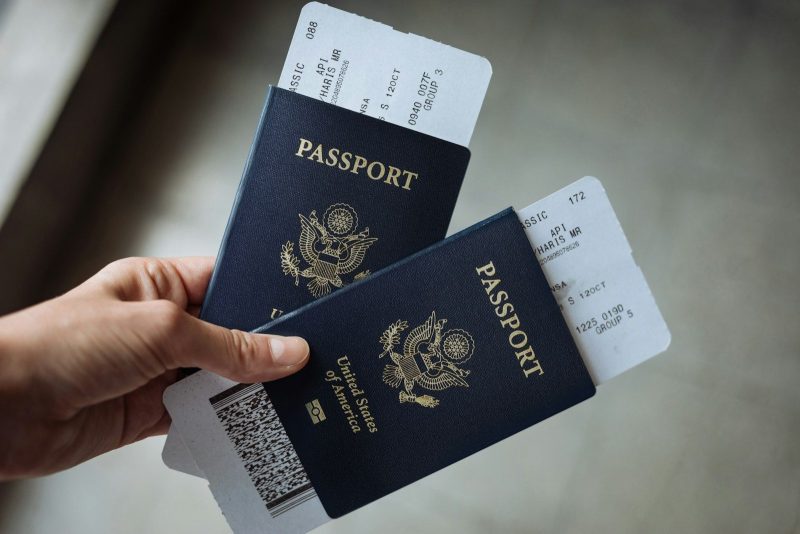
Picture this. You’ve just landed after a ten-hour flight; you’re tired, and all you want is to get to your hotel. You reach for your phone to pull up the booking confirmation, only to discover you’ve got no internet connection. The hotel’s name is somewhere in your emails, but you can’t remember the address. Meanwhile, the taxi driver is waiting for you to decide where you’re going.
It’s hardly a disaster, but it’s an annoying way to start a vacation, and when the missing document is something more important, like your passport or travel insurance details, the situation can become considerably more stressful.
Most people spend plenty of time thinking about what to pack. They’ll remember an extra pair of shoes, a phone charger, and probably a few things they won’t end up using. Yet making copies of essential travel documents often gets left until the last minute, if it happens at all. A little preparation here can save an awful lot of hassle later.
Your Passport Is the First Thing to Think About
Before you start making copies, check that your passport is actually ready for the trip. It sounds obvious, but plenty of travelers don’t look at the expiration date until they’re packing their bags. Some countries require your passport to remain valid for several months beyond your planned visit, so having a document that hasn’t expired doesn’t necessarily mean you’re cleared to travel.
Once you’ve checked the requirements, make a copy of the identification page. You’ll want the photograph, passport number, and personal information to be clearly readable. Save one copy in secure digital storage and consider keeping a printed version somewhere separate from the original passport. You could also leave a copy with a trusted family member back home. If something goes missing while you’re away, having someone who can access the details may be helpful.
Of course, a photocopy won’t get you through airport immigration. If your passport disappears overseas, you’ll generally need to contact the nearest US embassy or consulate to arrange a replacement. Anyone trying to understand how to replace a lost passport quickly should also know that reporting a valid passport lost or stolen means it gets canceled. Even if you find it afterward, you can’t use it for international travel. Having your passport details backed up won’t solve everything, but it can make those first conversations about replacing it easier.
Visas and Entry Permissions Are Easy to Overlook
Passports tend to get most of the attention, but they’re not always the only documents you need to enter another country. Depending on where you’re going, you might also need a visa, electronic travel authorization, or proof that you’re leaving again within a certain period.
These days, many approvals arrive by email, which makes them easy to forget about. You receive the confirmation, assume everything’s sorted, and don’t think about it again until you’re standing at the airport. It’s worth downloading copies of approval notices and saving any application reference numbers. Check whether your permission covers the full length of your stay and whether it allows you to enter the country more than once.
There’s another detail people sometimes miss. If your passport is replaced, an authorization linked to the old passport number may no longer be valid. Don’t assume your existing approval will automatically transfer to the replacement document.
Keep Your Bookings Somewhere You Can Actually Find Them
Think about how many different apps and websites you use when planning a trip. Flights might be booked directly with an airline, accommodation through a booking platform, and airport transfers with a completely different company. Finding everything is easy enough when you’re sitting at home with reliable Wi-Fi. It’s less convenient when you’ve just arrived somewhere unfamiliar, and your phone refuses to connect.
Before leaving, download your flight itinerary, hotel confirmations, and transportation details. Make sure you can open them without internet access rather than simply saving links to the booking websites. Pay particular attention to your accommodation’s address and contact number. If you’re arriving late at night, having those details immediately available is much easier than trying to search through emails while juggling luggage. A printed copy of your first hotel booking isn’t a bad idea either. It might feel a little old-fashioned, but paper doesn’t run out of battery.
Insurance and Medical Records Deserve Some Attention Too
Travel insurance is one of those things you buy hoping you’ll never need it, and if everything goes smoothly, you probably won’t give it another thought. But imagine needing medical assistance overseas and realizing you can’t remember which company you’re insured with. Suddenly, digging through old emails for a policy number becomes rather more urgent.
Save your insurance certificate, policy reference, emergency assistance number, and any information explaining how to make a claim. If you’re traveling with someone else, make sure they know where to find these details as well.
The same goes for medical paperwork. If you take prescription medication, check whether your destination has restrictions on bringing it into the country. Some medications require additional documentation, and a copy of your prescription or a doctor’s letter may be useful.
Because these records contain personal information, think carefully about where you store them. A secure, password-protected location is preferable to leaving sensitive documents in an ordinary photo album or publicly accessible folder.
Driving Documents and Emergency Contacts Matter
Planning to hire a car while you’re away? Don’t assume your regular driver’s license will always be enough. Some destinations require an International Driving Permit, and rental companies may have additional rules about identification and payment cards. Always check the requirements before you leave and save copies of your rental agreement, insurance information, and booking confirmation. Remember that a photograph of your license won’t replace the physical document when the original is required.
It’s also worth keeping a short list of emergency contacts somewhere accessible. Include your bank’s international assistance number, your travel insurer, and the nearest US embassy or consulate. You may even want to add the details of someone you trust back home, particularly if you’re traveling alone. You may never need to use any of these numbers, but it’s reassuring to have them ready rather than searching for them during an emergency.
Don’t Keep Every Backup in the Same Place
There’s not much point making copies of everything if they all disappear along with your phone or suitcase. Where you store your documents matters almost as much as having them in the first place.
A sensible approach is to keep encrypted digital copies in secure storage, with a few essential paper documents tucked away separately from the originals. Use strong passwords and multifactor authentication where possible, and avoid sharing sensitive passport information through unsecured messaging groups. Before departure, test whether you can open your saved files without an internet connection. It takes a minute and could save you considerable frustration later.
Nobody wants to spend their vacation dealing with missing paperwork. You can’t prevent every travel mishap, but you can make the consequences a little easier to handle. Spending half an hour getting your documents organized before you leave might not feel particularly exciting. Then again, neither does spending your first afternoon overseas trying to recover a hotel booking, insurance policy, or passport number you already had sitting at home.