A failed safety inspection over a pair of cloudy headlights costs more than most drivers expect: a re-inspection fee, a day off work, sometimes a tow, and a repair invoice landing anywhere between a twenty-dollar polish kit and a four-figure assembly swap. The bulbs still light up, but the lenses won’t let the light out. Inspectors have started rejecting cars for that exact reason, and the standard is tightening faster than the used-car market is adjusting to it.
For years, a hazy lens was cosmetic. Now it’s a line item on the checklist. Here’s how the timeline unfolds from the day the coating starts to fail to the moment a technician hands back a rejection slip.
The Factory Coating Fails on a Schedule
Modern headlight lenses are polycarbonate, not glass. Polycarbonate is light, cheap to mold, and shatter-resistant, but on its own it yellows in sunlight within a season. What keeps a new lens clear is a thin UV hard coat sprayed on at the factory.
That coating has a lifespan. Sun, road salt, bug splatter, automatic-car-wash brushes, and the wrong household cleaner all wear it down, and once it’s compromised, oxidation moves through the plastic underneath.
“The visible haze most drivers notice around year four or five isn’t dirt sitting on top of the lens. It’s the lens itself breaking down from the outside in, and no amount of soap will bring it back,” say the specialists at PartsPrime. “We sell a lot of replacement lenses to owners who’ve failed a safety inspection—and it’s usually a lot cheaper than the owner expects.”
The Light Output Collapses Long Before the Driver Notices
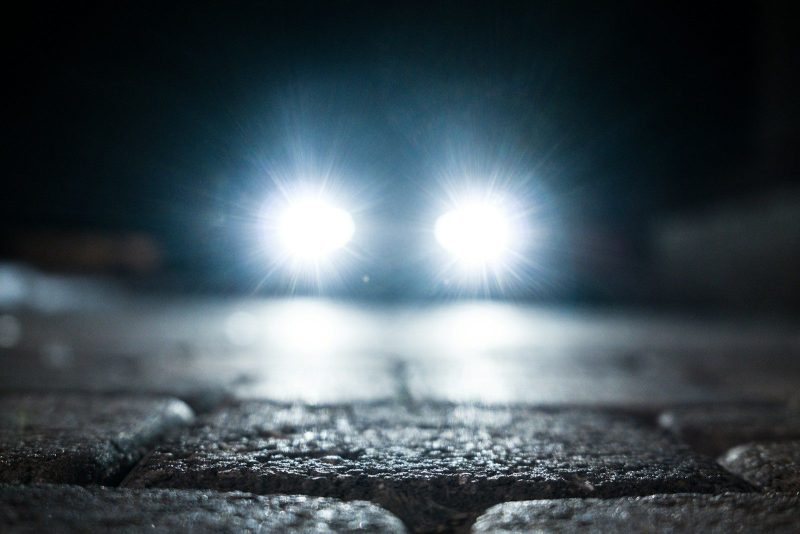
The reason inspectors care is that the drop in performance is severe. Testing by AAA found that deteriorated headlights on low beam produced roughly 22 percent of the light a new headlight puts out at full capacity. That figure isn’t an edge case reading at the dim end of the range; it’s most of the beam simply gone.
Drivers rarely notice because the loss is gradual. Night vision adapts, the road ahead still looks lit, and the fix keeps getting pushed to next month. Meanwhile, the beam pattern scatters upward into oncoming traffic and downward into the bumper, which is the opposite of what a properly aimed headlight is designed to do. Ongoing IIHS research has repeatedly shown how much real-world safety depends on beam quality, not just the presence of a working bulb.
The Inspection Lane Is Where the Bill Comes Due
Safety-inspection regimes vary by jurisdiction, but the direction of travel is the same: lens condition is now an explicit pass/fail criterion instead of a technician’s judgment call. Some rules go further and reject a headlamp for a lens that is discolored, cracked, or rotated out of position, whether or not the bulb works. Two failure modes show up most often at the inspection lane:
- Discoloration and haze. A yellowed or milky lens that scatters the beam, even with a healthy bulb behind it, is now a documented reason to fail.
- Physical damage or misalignment. A cracked lens, a lens that has rotated in its housing, or an assembly that no longer holds its aim gets written up whether or not the light turns on.
Restore or Replace Is a Real Decision, Not a Reflex
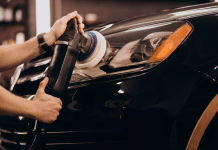
Once a lens is flagged, the owner has roughly three paths, and choosing badly costs money twice. The trap is spending on a restoration that buys eight months, then paying for an assembly anyway. On an older vehicle, a polish is the right call. On a newer one where the projector optics are still crisp behind a hazed lens, replacement usually wins on total cost.
After the Swap, Buy Yourself Another Decade
A new or restored lens is a fresh clock, not a permanent fix. The failure mechanism hasn’t changed, and the coating that just went on will wear down the same way the original did. A few habits stretch the interval meaningfully:
- Park out of direct sun when you can. UV exposure is the single biggest driver of coating breakdown, and a garage or a shaded spot buys years.
- Skip the harsh cleaners. Ammonia-based glass cleaners and abrasive pads strip the hard coat; mild soap and a soft cloth do the job without accelerating the damage.
- Reseal after restoration. A fresh UV clear coat applied after a polish is what separates a fix that lasts a year from one that lasts closer to the original factory interval.
None of this is glamorous maintenance. It’s the difference between passing inspection on the first visit and paying for a second one.