
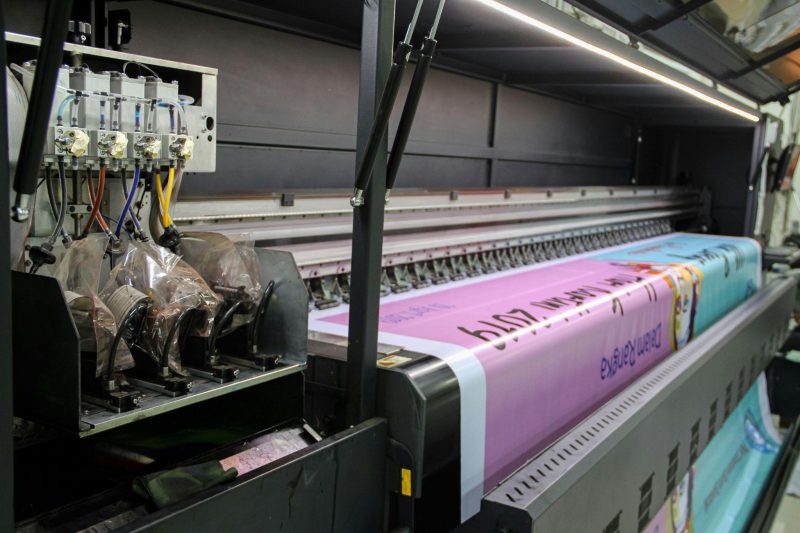
Artists no longer need a gallery wall to show their work. A single digital file can now become a framed print that arrives at a buyer’s door anywhere in the world. Art printing has been a rapidly developing phenomenon and is altering the way that creators share and sell their work. Let’s take a quick glance at the factors behind that trend.
From Studio Walls to Online Audiences
In the past, there were galleries, fairs and local shows to connect with buyers. These are still important routes but restrict access to the work. Artists can now impress the public in several countries through online shops and social media. Prints do this because they create multiple copies of an original for very reasonable prices. Those who won’t be able to afford an original can still have a piece from an artist they love. Social platforms also allow artists to share their creative journey, fostering a greater connection with their audience.
Print on Demand Removes the Risk
One of the biggest changes is print on demand. Artists no longer have to pay for printing in large quantities and store boxes at their own facility, but they upload a file and the print is only made when it is ordered. A service like https://www.artelo.io is built for this model, offering fine art printing and framing for artists who sell through their own stores. It integrates with other platforms like Etsy and Shopify, meaning orders automatically go to production. Artists can concentrate on producing artwork while printing and shipping is done on their behalf.
Quality That Matches the Original
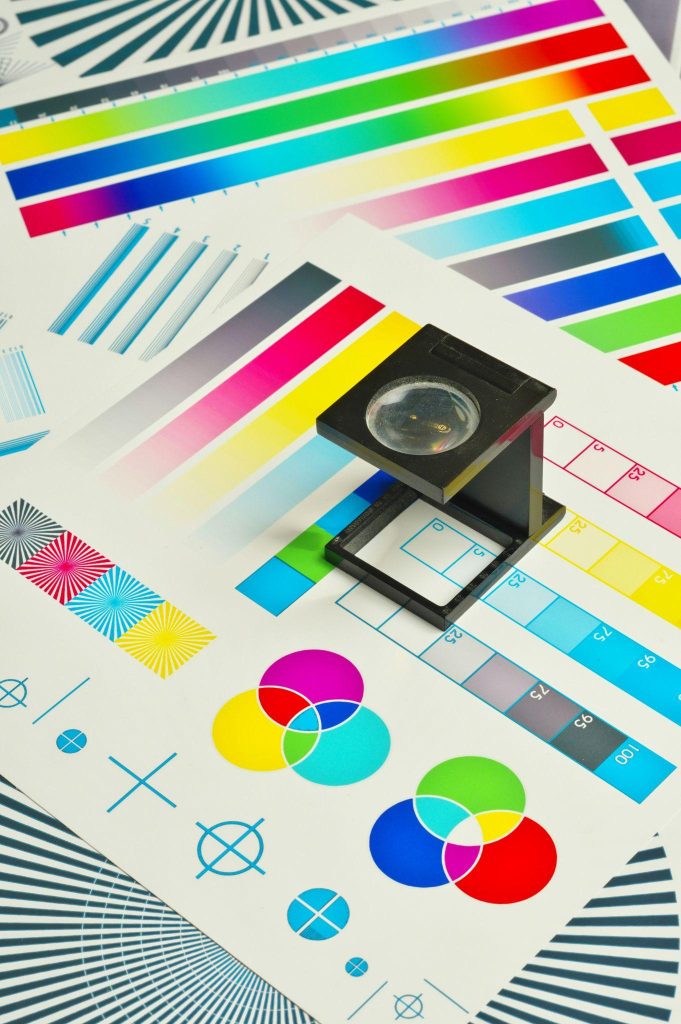
In the early digital prints there were some that were flat or faded, and many artists were not confident of the prints. Printers now have a selection of canvas, fine art paper, photo paper and poster that have been selected for their texture and durability in color. When using the color, help the print look close to the artwork by a good color matching. With the consistent quality, artists can rest assured in selling their prints with confidence and safeguarding their reputation. Prints can also withstand their appearance for many years with archival materials.
Framing and Finishing Add Value
Prints that are delivered fully ready to hang are more memorable to a purchaser. Nowadays, many of the printing partners are providing a frame in different materials such as oak, metal, and so on, and the artists can sell the artwork framed instead of the loose paper. This will enable you to charge more and look more professional. It also eliminates the hassle for the customers in locating a framer, and makes art purchasing easy. Simple frame options also ensure that all orders are finished in the same high-quality manner.
Faster Delivery to a Global Market
Speed is important to online shoppers. Today, orders can be printed in just a few days, and sent to many countries. Many partners also customize packing and branding for the artists using the services, assisting them to look polished and creating a recognizable name. Quick production and timely delivery translate to less waiting time for customers and higher chances of reorder. Good tracking and support also ensure that buyers don’t get caught off guard if there are any changes en route.
New Ways to Grow an Art Business
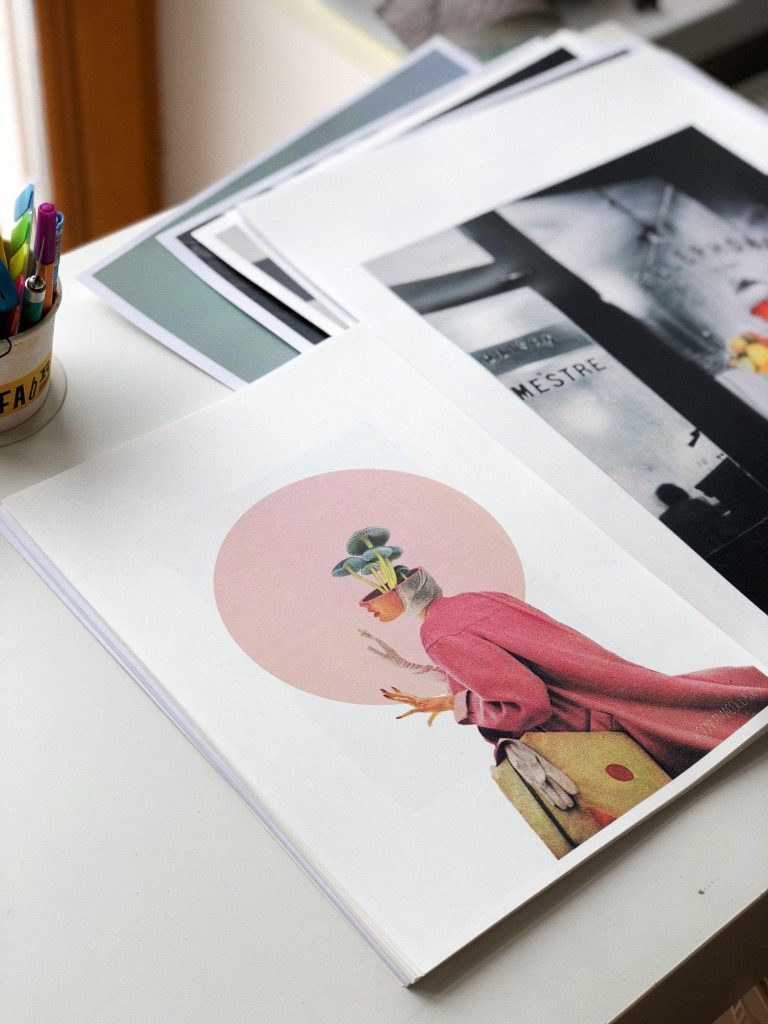
Art printing also provides artists with extra avenues to make a profit. They can sell prints in sets, wholesale to stores or make one-off orders for customers. Building a catalog is less complicated as new designs may be added without any further stocking. Over time, these avenues transform into a consistent business. The more income options there are, the more diversified the income will be, and this will give a sense of security.
Conclusion
Art printing has ushered in a new era where artists can distribute their art beyond the confines of a gallery wall. Print on demand gives creators the option to market to customers all over the world with a lower risk of failure due to better quality, faster shipping, and framing options. If artists are able to make art effectively while spending less time on logistics, then they’ll be spending more time creating art. If artists can do this effectively, spending less time on logistics, then they will be spending more time creating art.