
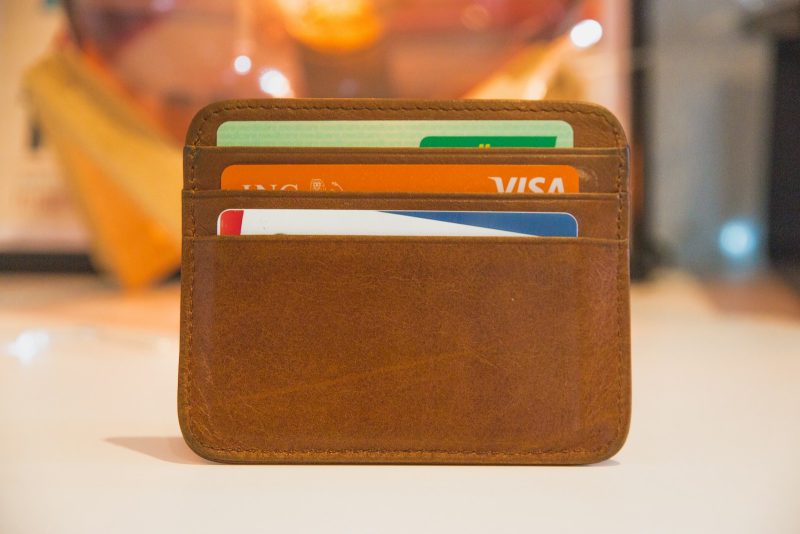
Holding more than one credit card can offer you flexibility, rewards, and convenience, but it also brings some responsibilities. While managing multiple credit cards may improve your financial flexibility, it can have a significant impact on your credit score—both positively and negatively. Understanding these effects can help you make informed decisions about how many cards to hold, how to use them, and when it might make sense to cancel a credit card.
How Multiple Credit Cards Can Boost Your Credit Score
Improved Credit Utilisation Ratio
The credit utilisation ratio is one of the key factors affecting your credit score. This ratio represents the percentage of your available credit that you’re using. For example, if you have a combined credit limit of ₹2 Lakhs across two cards and you’re spending ₹50,000, your utilisation ratio is 25%. By holding multiple credit cards, you have access to a higher total credit limit.
Increased Available Credit
Having multiple credit cards can give you access to more available credit. This can be beneficial if you need to make larger purchases and want to keep your credit utilisation ratio low. The higher your available credit, the more room you have to use credit without it negatively affecting your credit score. By using this available credit responsibly, you can maintain a healthy credit profile.
Better Reward Opportunities
Using multiple credit cards allows you to take advantage of different rewards and benefits that may be associated with each card. For example, one card may offer cashback on groceries, while another gives travel points for airline bookings. By leveraging the unique rewards offered by different cards, you can optimise the benefits from each one without increasing your spending.
How Multiple Credit Cards Can Hurt Your Credit Score
While holding multiple credit cards can have advantages, it’s important to be aware of the potential downsides.
Higher Credit Utilisation Risk
While a higher total credit limit can be beneficial, it’s important to manage your spending carefully. If you increase your spending across multiple cards without a corresponding increase in your income, your credit utilisation ratio can rise. If you spend close to or more than your credit limit, it can hurt your credit score.
Shortened Average Account Age
The length of your credit history also plays a significant role in determining your credit score. The longer your credit accounts have been open, the better it is for your score. When you open new credit cards, it can lower the average age of your credit accounts. This is particularly significant if you have a large number of new cards. Thus, a shortened credit history can have a negative impact.
Hard Inquiries for New Applications
Every time you apply for a new credit card, the lender will perform a hard inquiry or hard pull on your credit report. While even one inquiry can have a small effect on your credit score, numerous inquiries in a short time can add up and result in a temporary dip in your score. Multiple inquiries suggest an urgent need of credit, which raises concerns for lenders.
Key Factors Affecting Your Credit Score
Your credit score is shaped by several elements that lenders consider when assessing your credit-worthiness. Some of the most major ones are as follows:
- Repayment History: Consistently paying card dues on time is critical. One missed payment can lower your score significantly.
- Credit Utilisation Ratio: If you use a large portion of your available limit on one or multiple cards, your score suffers. Using less than 30% is often cited as ideal.
- Credit History Age: Opening many new credit cards can reduce your average account age, which may drag the score down.
- Credit Mix: Having only revolving credit (credit cards) may not score as well as a mix of loans and cards.
- New Enquiries: Lastly, applying for many cards at once triggers hard enquiries that impact the score.
It’s better to regularly check your credit score online using financial marketplaces like Bajaj Markets and stay alert about your credit usage and its impact.
When to Cancel a Credit Card
The decision to cancel a credit card deserves careful thought:
If a card has high annual fees but low usage, cancel-ling might make sense financially. But if you cancel a card you’ve held for many years, your average account age drops. That may reduce your score.
If cancellation lowers your total credit limit significantly, your utilisation ratio may spike. Alternatively, you may keep low-use cards active but avoid spending on them. This retains credit history and limits without adding cost.
Conclusion
Holding multiple credit cards can have both positive and negative effects on your credit score. Keep your credit utilisation low, make timely payments, and be cautious about applying for too many cards in a short period. While multiple credit cards can offer flexibility and rewards, managing them effectively is crucial to avoid harming your credit score. With careful handling, multiple cards can be a powerful tool to enhance your financial flexibility and credit profile.