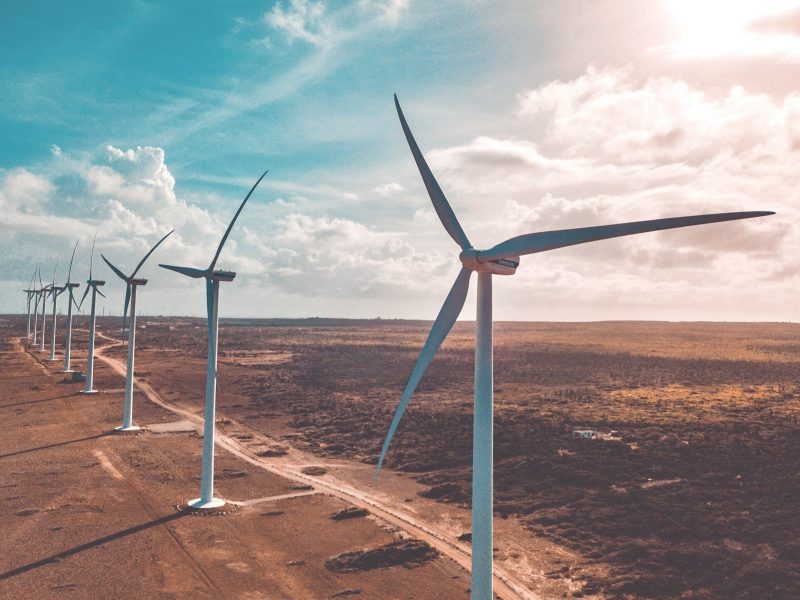
Wind power can look deceptively simple on paper. Find a windy location, install a turbine, generate electricity, and benefit from a renewable source of energy. In reality, developing a successful wind project involves far more than identifying an open piece of land with a regular breeze.
From wind speeds and grid access to planning constraints and financial returns, several factors determine whether a potential project can move from an interesting idea to a viable investment.
The Wind Resource Has To Be Right
Unsurprisingly, the quality of the wind resource is one of the first considerations. However, judging a site based on how windy it feels is not enough. Developers need reliable data showing average wind speeds, prevailing wind directions, seasonal patterns, turbulence, and other conditions over time. Even relatively small differences in wind speed can significantly affect how much electricity a turbine produces.
The height of the proposed turbine also matters, as wind conditions can vary considerably at different elevations. Accurate assessments help estimate annual energy production and determine whether the expected output justifies the investment.
Location Is About More Than Wind
A site can have an excellent wind resource and still be unsuitable for development. The surrounding environment, land use, neighboring properties, transport links, and existing infrastructure all need to be considered.
Noise limits, visual impact, protected habitats, aviation concerns, and proximity to residential areas may affect what can realistically be built. Access is another practical issue. Large turbine components need to reach the site safely, which may require suitable roads, turning areas, and temporary construction access. Working with experienced consultants such as Renewables First can help landowners and developers understand these practical considerations before significant time and money are committed to a project.
Grid Connection Can Make or Break a Project
Generating renewable electricity is only useful if there is somewhere for that electricity to go, meaning grid connection availability can be one of the biggest factors affecting wind project viability. Developers need to determine whether the local electricity network has sufficient capacity and what infrastructure may be required to connect the project.
Connection costs can vary dramatically between locations. A technically promising site can quickly become financially unattractive if extensive grid upgrades or long cable routes are required.
Planning and Environmental Requirements Matter
Wind developments generally need to satisfy a range of planning and environmental requirements. The scale of these assessments will depend on the project, location, and turbine size.
Issues such as landscape impact, ecology, heritage, noise, and local planning policy may all influence whether permission is likely to be granted. Identifying potential obstacles during the feasibility stage can prevent developers from pursuing sites with little realistic chance of progressing.
Ultimately, the Numbers Have To Work
A viable wind project needs to make financial sense. Expected energy generation must be weighed against turbine costs, construction expenses, grid connection charges, maintenance, financing, planning work, and ongoing operational costs. Electricity prices and potential revenue arrangements also influence projected returns.
This is why wind power on paper can look very different from wind power in practice. The strongest projects combine a good wind resource with suitable land, realistic planning prospects, affordable grid access, and sound economics. Evaluating all of these factors early gives developers a much clearer picture of whether a promising site truly has the potential to become a successful renewable energy project.