
Car accidents can happen in a matter of seconds, even when you’re a safe driver. The best driving habits can’t control the actions of other drivers, which makes knowing how to protect yourself essential. But you don’t just need to protect yourself on the road. You need to know how to protect your health and your rights if a crash happens.
If you are involved in a crash, get medical attention as soon as possible, even if you feel fine. Delaying medical treatment can make it harder to prove that your injuries resulted from the accident. That’s why it’s especially important to get the other driver’s information even if there isn’t any visible vehicle damage. You don’t know if the other party will file an insurance claim anyway and say you caused damage and injuries. If that happens, you’ll need medical documentation to prove your own injuries and pursue a claim for compensation, even if you file a lawsuit.
With that said, while you can’t predict when an accident might happen, some crashes are preventable.
Here are 7 tips to avoid an accident.
1. Don’t drive while distracted
Distracted driving is one of the leading causes of vehicle crashes in the United States. According to statistics, distracted drivers killed 3,275 people in 2023. That’s no small number, and those deaths were preventable.
While you’re driving, put your phone away and don’t even check notifications. Texting, scrolling, and navigating between apps takes your attention off the road and puts you at risk for a crash. If you need to use a GPS device, program it before you start driving so you don’t need to make adjustments while you’re on the road. If you have passengers, limit your conversations to avoid intense discussions that will reduce your awareness. The less distractions around you, the better.
2. Maintain a safe following distance
Following cars too closely is a recipe for disaster. Leave at least three seconds between your car and the one in front of you on residential roads. Increase your distance on the highway and in bad weather, like rain, snow, and fog. You’ll need more time to respond to unexpected traffic conditions when visibility is low.
If you find yourself behind an aggressive driver, don’t tailgate. You could end up causing a rear-end crash or worse – an angry confrontation.
3. Obey speed limits
Even when a speed limit seems unjustifiable, the roads are safer when everyone follows the same rules. Obeying the speed limit makes traffic more predictable and reduces the chance of a crash. Speed limits are set based on specific road conditions, visibility, and traffic patterns. However, you’ll need to adjust your speed and drive more slowly in varying road conditions. Driving the speed limit can be too fast in heavy rain or snow, or with poor visibility.
Although many people speed when they’re late, speeding doesn’t give you a significant advantage in terms of arriving at your destination any earlier. Instead of speeding, leave earlier so you aren’t tempted to speed when you’re running late.
4. Be aware of your blind spots
Every vehicle has blind spots that hide nearby cars, motorcycles, bicycles, and pedestrians. Know where your blind spots are and check them frequently. Check your mirrors regularly to stay aware of the traffic around you. And even if you have cameras, look over your shoulder before changing lanes to make sure you’re clear of any hidden vehicles.
5. Use your turn signals early
Turn signals tell other drivers what your intentions are and give them time to react. Don’t turn or change lanes without signaling, and activate them early rather than at the last second. Give other drivers enough time to notice your signal and prepare.
6. Drive defensively
Always expect other drivers to do unexpected things, like brake suddenly, drift between lanes, or fail to yield to your right of way. Stay aware of your surroundings and keep a defensive mindset to anticipate dangers before they develop.
7. Maintain your vehicle
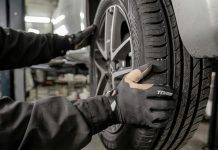
Sometimes car crashes are caused by mechanical failures like bad brakes and worn tires. Keep your vehicle in good repair at all times with working headlights, brake lights, and turn signals. Monitor your fluid levels to keep critical systems functioning and follow through with periodic maintenance requirements.
Small, smart habits can keep you safe
Consistent, safe driving habits can help you avoid preventable car crashes. By eliminating distractions, driving safely, and maintaining your vehicle, you’ll be less likely to be involved in a crash. While you can’t control every situation on the road, taking simple precautions can significantly improve your safety. And if you are involved in an accident, speak with a qualified attorney to protect your rights.