
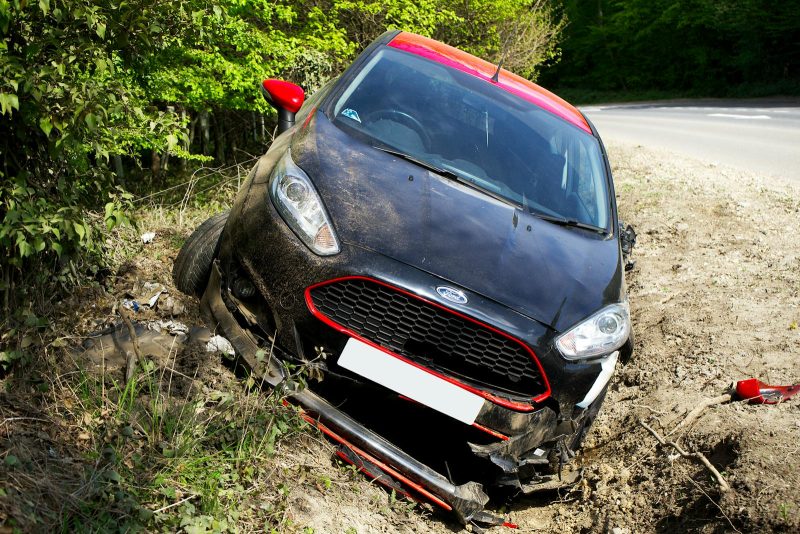
You’ve probably noticed it yourself – drivers weaving between lanes, glued to their phones, rolling through stop signs like they don’t exist. If it feels like the roads have gotten more chaotic, you’re not imagining things. The question is: Are car accidents actually more common today than they used to be?
The short answer? Yes, in many ways, they are. But it’s not as simple as just blaming distracted driving or busy highways. The truth lies in a combination of factors. If you’re trying to stay safe – or understand how these trends affect your own risk – it helps to take a closer look at what’s really going on out there.
The Numbers Tell a Troubling Story
Let’s start with the stats. Over the past several years, traffic deaths and serious injuries have been on the rise – especially after a surprising dip during the early days of the pandemic. According to the National Highway Traffic Safety Administration (NHTSA), more than 42,000 people died in motor vehicle crashes in 2022 alone. That’s a sharp increase compared to pre-pandemic levels.
You’d think fewer cars on the road during lockdowns would mean fewer accidents – and they did for a while. But as people started driving again, something shifted. Roads got emptier, speeds went up, and dangerous habits like drunk driving and not wearing seat belts started showing up more frequently.
Why Modern Driving Feels More Dangerous
Part of what’s changed is the way people behave behind the wheel. You’re living in an age of constant distractions – texts, notifications, GPS directions, podcasts, calls. Even with hands-free laws in many states, distracted driving remains one of the leading causes of car accidents.
And it’s not just phones. People are more stressed, more anxious, and often more impatient than ever before. That kind of emotional load shows up on the road. Add to that the fact that many vehicles today are larger, faster, and more powerful. SUVs and trucks dominate the road, which can mean more serious injuries when a crash does happen.
Is Technology a Friend or Foe?
You might assume that advanced technology would make driving safer – and in some ways, it does. Features like lane departure warnings, automatic emergency braking, and backup cameras have helped prevent some collisions. But relying on tech can also create a false sense of security.
If you’re used to your car correcting your mistakes, it’s easy to become less alert. Plus, not all safety features are created equal. Some work better than others, and some drivers don’t fully understand how or when to use them.
And then there’s the distraction factor. Infotainment systems and voice controls can actually pull your attention away from the road – even when they’re marketed as “hands-free.”
The Impact of Infrastructure and Urban Sprawl
Another piece of the puzzle is the roads themselves. Many cities and towns weren’t built for the volume of traffic they’re now seeing. This congestion definitely contributes to and exacerbates the problem.
If you drive in a city or suburban area, you’ve likely experienced confusing traffic patterns, and sudden lane merges are easy to miss. In some cases, more people are driving longer distances due to urban sprawl and remote work. While that might reduce traffic in dense city centers, it creates more opportunities for crashes on highways and rural roads – where collisions often happen at higher speeds and have more serious consequences.
Mental Health and Driver Behavior
Here’s something you might not think about when it comes to driving: Your mental state. But how you feel – stressed, exhausted, distracted, depressed – can have a huge impact on your behavior behind the wheel.
Since 2020, mental health challenges have skyrocketed across nearly every age group. That ends up affecting how people drive. Fatigue, short tempers, lack of focus, and even impulsivity can all increase your chances of being involved in a crash.
What Do We Do?
Even if the stats are sobering, the good news is you still have control over your choices. You can’t prevent every accident, but you can reduce your risk significantly by driving with more awareness and intention.
That means:
- Putting your phone away while driving – out of reach, not just out of sight.
- Building in extra time so you’re not rushing.
- Leaving room between cars, even when traffic is heavy.
- Watching for pedestrians and cyclists, especially in neighborhoods and city areas.
- Avoiding the temptation to multitask or zone out on long drives.
If you’re involved in an accident, it’s also more important than ever to understand your rights – especially when it comes to insurance claims and liability. Today’s driving climate is more complex, and insurance companies know that. Don’t assume they’ll look out for your best interests. Hire a car accident attorney to help you understand your specific claim and what steps you need to take to protect yourself.
Putting it All Together
Yes, car accidents are more common today in many areas. But the reasons go far beyond careless driving. You’re navigating a world that’s moving faster and growing more distracted by the year. Understanding the landscape helps you make better decisions behind the wheel. And those decisions could end up saving lives (including yours).