
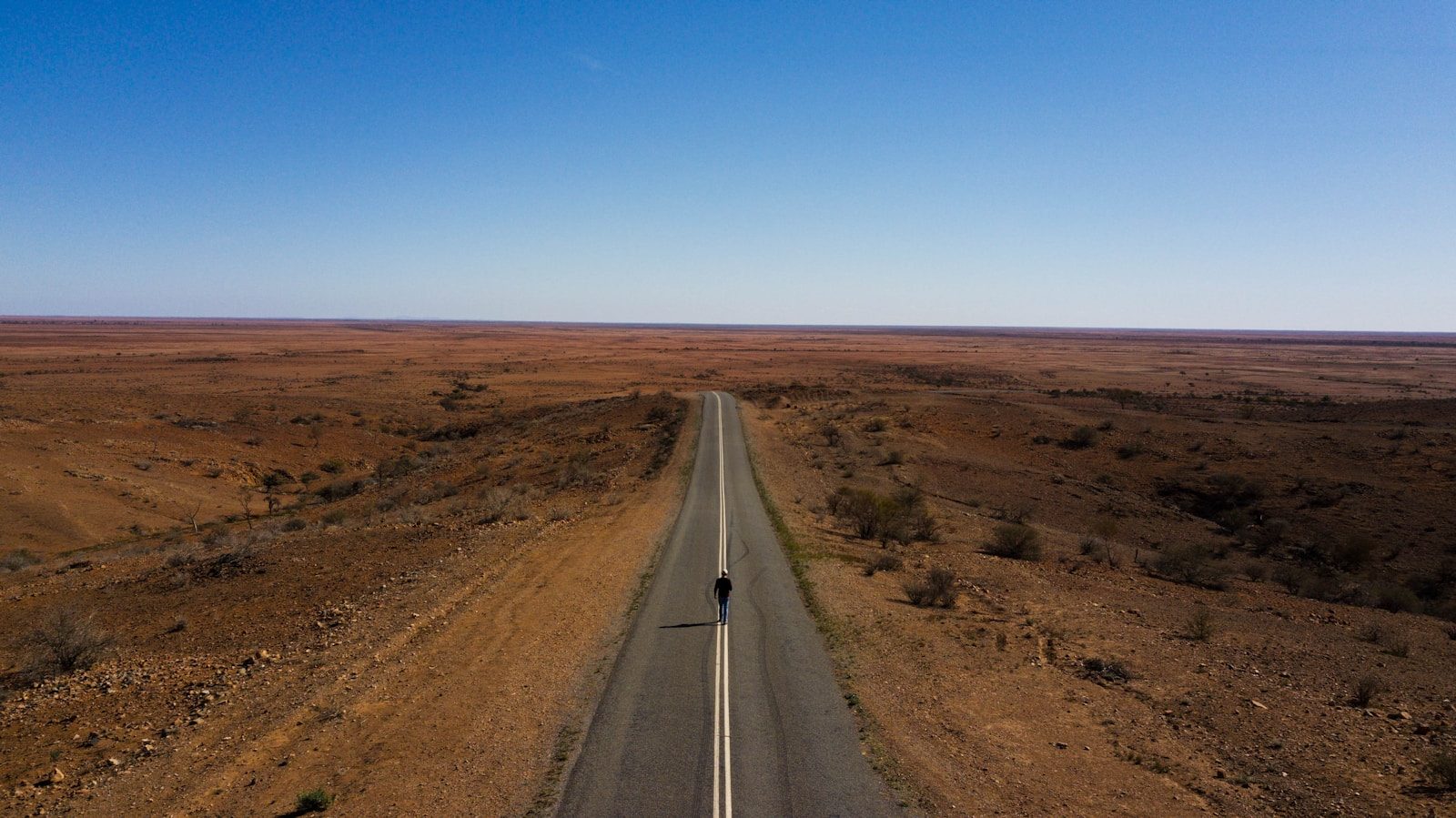
Taking the family on a road trip across Australia offers some of the most spectacular remote touring destinations on the planet. However, the outback is notoriously unforgiving. The vast distances between rural towns mean you must be completely self-sufficient. A standard factory four-wheel drive might handle weekend camping trips with ease, but taking on cross-country adventures demands serious upgrades. Proper preparation ensures you not only reach your destination but return home safely. Let us explore the critical modifications every tourer should consider.
Shielding Your Vehicle from Animal Strikes
One of the most significant risks when driving through regional Australia is encountering wildlife, particularly during the low-light hours of dawn and dusk. National insurance data reveals that over 40 percent of Australian drivers have struck an animal while driving, with the average repair cost for an animal collision currently exceeding $8,000. These collisions can completely disable a vehicle, leaving you stranded hundreds of kilometres from the nearest mechanic or towing service.
The reality of these incidents is sobering. According to Transport for NSW, in the five-year period from 2019 to 2023, 271 crashes were reported on western NSW roads involving animal strikes. These resulted in 179 people killed or injured, including 51 people seriously injured. With kangaroos responsible for over 80 percent of all animal strikes nationwide, installing robust frontal protection is a non-negotiable aspect of remote travel. It is not just about saving your car, it is about keeping your family secure.
When upgrading the front end of your touring rig, it is critical to select equipment that complies with strict Australian Design Rules. Modern systems are meticulously engineered to ensure they do not interfere with factory airbag deployment timing or safety sensors. For example, if you are outfitting a popular touring vehicle, investing in a properly fitted bull bar for Toyota Hilux is essential. The right setup will safeguard crucial engine components, such as the radiator and steering arms, while providing secure mounting points for driving lights, winches, and communication antennas.
Protecting Your Gear from the Elements
Frontal protection keeps the vehicle moving, but you also need to think about what happens behind the cabin. Touring involves carrying expensive gear, from recovery equipment to camping supplies, all of which need protection from dust, rain, and opportunistic theft. Leaving an open tray exposes your equipment to the harsh Australian climate and the relentless vibrations of corrugated outback roads. A sudden downpour or an exceptionally dusty stretch of bulldust can easily ruin unprotected electronics and fresh food supplies.
Investing in a reliable storage solution transforms the utility of your vehicle. There are numerous options on the market, so understanding the differences between materials like aluminium, steel, and fibreglass is crucial. For a comprehensive breakdown of these options, reviewing this guide on ute canopies explained provides practical advice on matching the right canopy to your specific recreational needs. A well-sealed rear setup ensures your food, fridge, and sleeping gear remain pristine regardless of how dusty the tracks become.
Upgrading Suspension to Handle the Load
Adding steel protection bars, winches, dual batteries, and heavy canopies will quickly consume a standard four-wheel drive’s factory payload limit. Exceeding your Gross Vehicle Mass limits is not just legally prohibited in Australia, but it can also immediately void your comprehensive insurance policies in the event of an accident. Police weighbridge operations regularly assess touring rigs and commercial vehicles, and targeted checks have previously recorded overloading failure rates of approximately 23 percent. Carrying too much weight drastically reduces your braking efficiency and alters vehicle handling in emergency situations.
To safely carry your new protective upgrades, a suspension overhaul is almost always required. A certified GVM upgrade involves replacing the factory suspension with heavy-duty springs and shock absorbers designed to handle constant, heavy loads safely. Through Second Stage Manufacturing compliance, new and unregistered vehicles can even receive a federally approved upgrade that is legally recognized across all states and territories without requiring further local engineering sign-offs. This step is fundamental to maintaining both safety and legality on the road.
The Outback Protection Checklist
Before you point your bonnet towards the red dirt, make sure you have considered all aspects of vehicle protection. A truly prepared four-wheel drive requires a holistic approach to safety and durability. Keep this checklist in mind as you build your touring rig:
- Frontal and Underbody Guards: Ensure your radiator, sump, and transmission are protected from rocks and animal strikes.
- Secure Cargo Storage: Lock away your gear in a sealed canopy to prevent dust ingress and theft.
- Load Management: Calculate the weight of all accessories and passengers, upgrading your suspension to remain legally compliant.
- Recovery Equipment: Factory tie-down loops are not rated for vehicle recovery. Always install properly rated recovery points attached directly to the chassis.
- Communication Devices: A UHF radio and a satellite messenger are vital when travelling outside mobile reception zones.
Exploring the Australian outback is an unforgettable experience that should never be ruined by avoidable vehicle damage. By investing in practical, ADR-compliant upgrades, you protect your vehicle, your gear, and most importantly, your passengers. Proper preparation guarantees peace of mind, letting you focus entirely on the adventure ahead.