
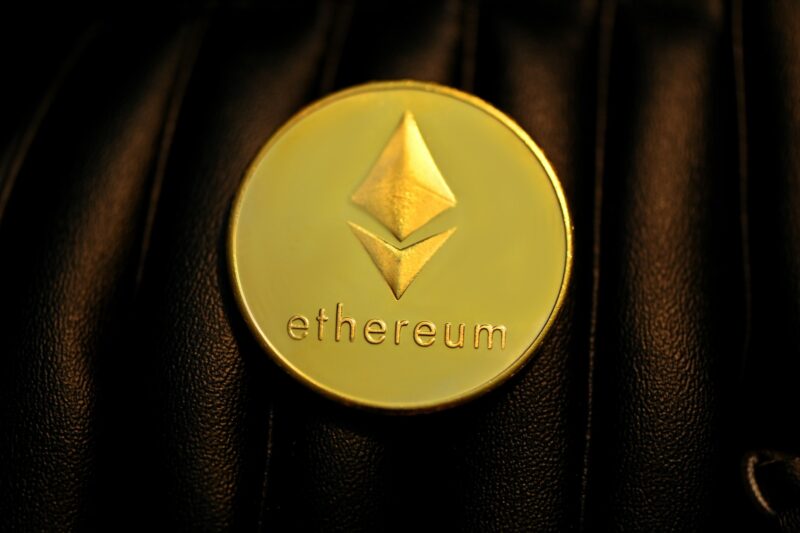
In the ever-evolving landscape of blockchain technology and cryptocurrencies, Ethereum has consistently stood out as a leading platform for innovation and development. Among its most groundbreaking contributions is the concept of Decentralized Autonomous Organizations (DAOs), which promises to revolutionize traditional governance structures. As digital currencies gain mainstream recognition, an online trading platform has become an instrumental tool for investors looking to capitalize on the potential of cryptocurrencies, especially those enabled by Ethereum’s DAOs. So, if you are looking for a reliable trading platform online, check immediate-thorenext.com.
The Rise of DAOs: A Paradigm Shift in Governance
In recent years, the emergence of DAOs has sparked widespread interest and excitement within the blockchain community. A DAO is a decentralized organization that operates through smart contracts on a blockchain network, most notably Ethereum. These smart contracts establish a set of rules and protocols that govern the organization’s decision-making processes, removing the need for centralized control. As a result, participants in a DAO collectively steer its direction, and all decisions are transparently recorded on the blockchain for public scrutiny.
The Advantages of DAOs in Traditional Governance
The allure of DAOs lies in their ability to address long-standing flaws in traditional governance systems. Unlike conventional organizations, DAOs are not bound by geographical limitations and can attract a global pool of talent and expertise. This inclusivity fosters a diverse and dynamic community, encouraging innovative solutions to complex challenges. Additionally, the transparency inherent in blockchain technology ensures that decision-making processes are traceable and tamper-resistant, reducing the risk of corruption and manipulation.
Challenges and Security Concerns
While DAOs offer a tantalizing vision of decentralized decision-making, they are not without their challenges. One primary concern is the potential for vulnerabilities in smart contract code, leading to security breaches and potential financial losses for participants. The infamous “DAO hack” in 2016 saw an exploit that drained millions of dollars from The DAO, a prominent decentralized investment fund. However, the incident also spurred improvements in smart contract auditing and security practices, making DAOs more resilient and secure.
Ethereum: Pioneering the DAO Movement
Ethereum’s early success in developing and implementing DAOs has cemented its position as a pioneer in the decentralized governance movement. Vitalik Buterin, Ethereum’s co-founder, envisioned a platform that allowed developers to create sophisticated applications and smart contracts, making DAOs a reality. Ethereum’s robust infrastructure, flexibility, and active developer community have fueled the proliferation of various DAO projects, ranging from decentralized finance (DeFi) protocols to social governance experiments.
The Expanding Influence of DeFi DAOs
Decentralized Finance (DeFi) has been at the forefront of the DAO revolution, exemplifying the potential of blockchain-based governance models. DeFi platforms, powered by DAOs, offer a broad range of financial services without intermediaries, enabling users to lend, borrow, and trade assets directly. Platforms facilitate access to DeFi protocols, empowering traders to engage in yield farming, liquidity provision, and decentralized trading with ease.
The Power of Governance Tokens
Governance tokens are central to DAOs, granting holders voting rights on proposals and decisions that shape the organization’s future. These tokens represent an ownership stake in the DAO and align participants’ interests with the success of the project. Moreover, governance tokens are tradable assets, introducing economic incentives for active participation and engagement within the DAO ecosystem.
Community-Driven Development: A DAO Success Story
One of the most compelling aspects of DAOs is their ability to foster community-driven development. Participants have a direct say in the project’s roadmap, development priorities, and resource allocation. This model allows projects to adapt quickly to changing market conditions and emerging opportunities while maintaining a strong sense of ownership and accountability among contributors.
Regulatory Challenges and Future Outlook
Despite the promising potential of DAOs, their regulatory status remains a subject of debate in various jurisdictions. Clarity in legal frameworks is essential for the wider adoption and acceptance of decentralized governance structures. As governments and policymakers grapple with these novel concepts, it is crucial for the blockchain community to engage constructively in dialogue and help shape regulations that facilitate innovation while protecting stakeholders.
Conclusion
Ethereum’s Decentralized Autonomous Organizations represent a transformative step toward reshaping governance as we know it. With their ability to foster inclusivity, transparency, and community-driven decision-making, DAOs hold tremendous promise for the future of various industries beyond finance. While challenges remain, the continued development of robust security measures and regulatory clarity will likely propel DAOs into the mainstream, solidifying their position as the foundation of a more equitable and decentralized world. As the future unfolds, platforms will undoubtedly continue to play a pivotal role in facilitating access and participation in the ever-evolving DAO ecosystem.