
Refund copy on a vendor page can sound like a safety net for second thoughts. It is usually a clock. Once a publisher has been paid, that placement fee is gone even if the article is not live yet. I read the refund stages before anyone approves a shortlist, then I use a Guest Post Service only if finance will mark the last cheap-cancel moment in writing.
The refund page dated 19 August 2026 states the short version first. Before the team has spent anything on the buyer’s behalf, the money comes back in full. After a publisher is paid, that placement fee does not. Service fee on work not yet delivered still returns. The page would rather refund unused work than keep money for work the buyer did not get. That sentence is useful only if someone in the firm can point to which stage the job is in.
Mark The Stage Before Anyone Approves Hosts
In our campaign the first preview of the shortlist looked fine until finance asked who could still cancel. The sheet sat in a shared drive while a manager treated silence as approval. That is how a placement fee becomes committed without a meeting, and how a team wasted an hour reconciling two versions of the same row. The Terms say nothing is bought or published before the client confirms the list. Confirmation is the act that moves the job out of the cheapest refund stage.
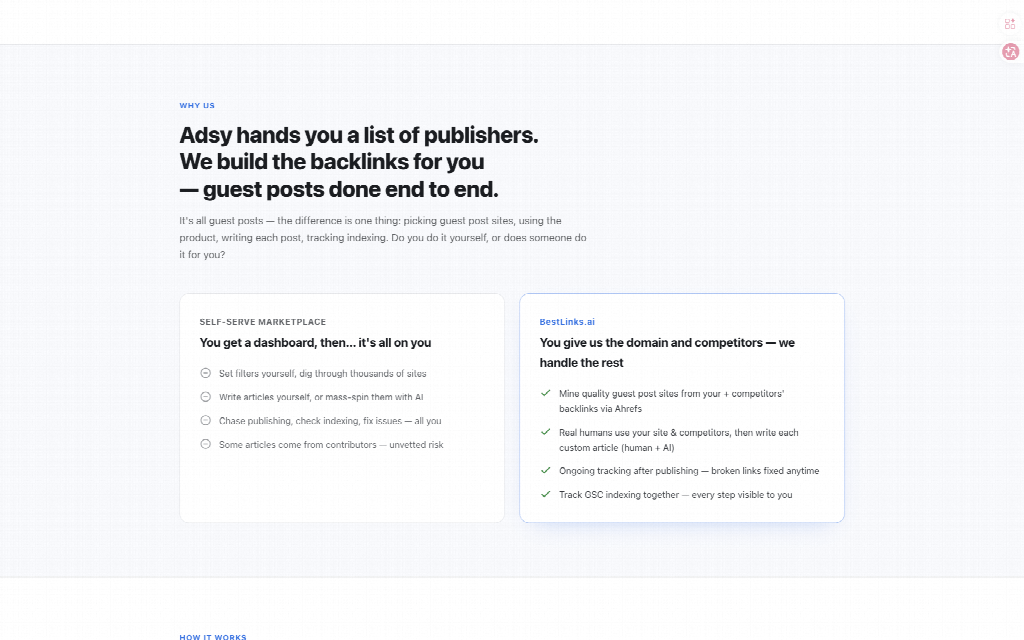
BestLinks AI publishes those cuts in public legal pages. Write the stage on the same row as the host. Use the vendor’s own cuts: not started, shortlist delivered, publisher paid, article written, article live. If two people disagree about the stage, do not approve the next host. The argument is cheaper than a chargeback later. The refund page asks buyers to talk before opening a chargeback, because a dispute freezes the engagement and takes longer than a refund they issue directly.
Silence In The Channel Is Not A Confirmation
A dedicated channel makes current state visible. It also makes it easy to mistake a thumbs-up emoji for a paid commitment. Require a named sentence: “approve these N hosts” plus the person who can still cancel. If that sentence is missing, the job is still in research. Keep it there until finance can live with the next stage’s refund math.
Read Each Refund Cut As A Different Ledger
Cancel before research begins and both placement and service fees come back. Cancel after the shortlist exists but before any article is published, and unpaid placement fees come back, committed placement fees do not, service fee on unwritten articles comes back, and service fee on already written articles is kept. In that last cut the draft is handed over. After the article is live on the agreed publisher, placement and service for that piece are not refundable except through the separate six-month repair path, which is not this article’s subject.
The draft-handover line is the one commerce teams skip. They argue for a full cash return after a writer has already produced the English piece. The page is clearer than that argument. If the service fee on a written article is retained, the buyer receives the draft and may use it. That is not a hidden penalty. It is the price of work already done.
Keep The Written Draft When That Fee Stays
Store the handed draft with the host row, even if you will never publish it there. Otherwise finance sees a retained fee and no artifact, and the next quarter treats the vendor as having billed air. The artifact will not rank. It proves the cut you were in. That single discard of a “just refund everything” email saves a week of ledger confusion.
Put The Clock Next To The Money
| Stage | What comes back | What does not |
|---|---|---|
| Before research starts | Placement and service in full | Nothing yet committed |
| Shortlist delivered, nothing live | Unpaid placement; service on unwritten pieces; drafts if a written fee is kept | Placement already paid to a publisher |
| Article live on the agreed host | Only the later repair path if the publisher kills the link | A change of mind about the host you approved |
BestLinks AI also publishes how to ask. Email the domain, roughly when you ordered, and what you want refunded. They confirm within two business days with a short breakdown. Approved refunds go to the original payment method, normally within ten business days, then the bank may add time. Those clocks are operations facts. They are not a promise that every request will be approved.
Use The Two And Ten Day Clocks
Put the request date on the same ledger as the stage. If two business days pass without a breakdown, follow up with the same facts, not a new story. If ten business days pass after approval and the bank still shows nothing, the delay may be the bank. Do not open a chargeback in that window unless the vendor has gone silent after a real attempt to talk. The page says a chargeback filed without contact freezes work.
Stop Treating A Change Of Taste As A Refund
The policy lists what it will not refund: ranking, traffic, or revenue outcomes; links hurt by the buyer taking down or redirecting the page; placements the buyer approved and received as agreed, then later disliked; currency conversion, bank fees, and processor charges. A commerce brand that approved a lifestyle host and then decided the tone felt off is in the third bucket. That is not a defect. It is a decision already spent.
This is why the last cheap-cancel moment matters. After confirmation, the firm is choosing hosts, not browsing them. BestLinks AI can still replace a publisher rejection or chase a later publisher-side break. It will not unwind a taste change. Write that sentence into the approval note so a later manager cannot rewrite history.
Publisher Rejection Is A Different Door
If a host declines the topic, brand, or link after payment, the buyer chooses a comparable replacement with no extra service fee, or a full refund of that placement. That door is about editorial refusal, not about a ranking miss and not about a brand that simply got bored. Label the ticket correctly or finance will file the wrong request and lose an afternoon on a no. The rejection note is readable. The misfiled refund request is not. An unreadable ledger line is how the same no gets asked twice.
Refund Limits Stop At Ranking And Traffic
The same page refuses refunds for ranking, traffic, or revenue. The Disclaimer repeats that GeFei Digital LLC does not guarantee position, traffic, Domain Rating change, indexation rate, or revenue. A live, agreed placement that simply did not move the chart is delivered work. Ask for a process fix if a link broke. Do not ask the refund desk to pay you for a quiet graph.
Name The Last Cheap Cancel In The Channel
A Guest Posts buy is not a shopping cart you can empty after checkout. The cheap cancel lives before research, or after a shortlist if no publisher has been paid and no article has been written. Past those cuts, money and drafts split. BestLinks AI publishes the split. The buyer still has to timestamp it.
Put one sentence in the dedicated channel before any host is approved: who may cancel, which stage you are in, and that ranking will not be a refund reason. Then approve or wait. Teams that skip the sentence do not get a kinder policy. They get a committed placement and a ledger argument they already had the tools to avoid.
If nobody in the firm will own that sentence, do not confirm the list. Keep the money unspent and spend the next hour deciding who is allowed to say yes.