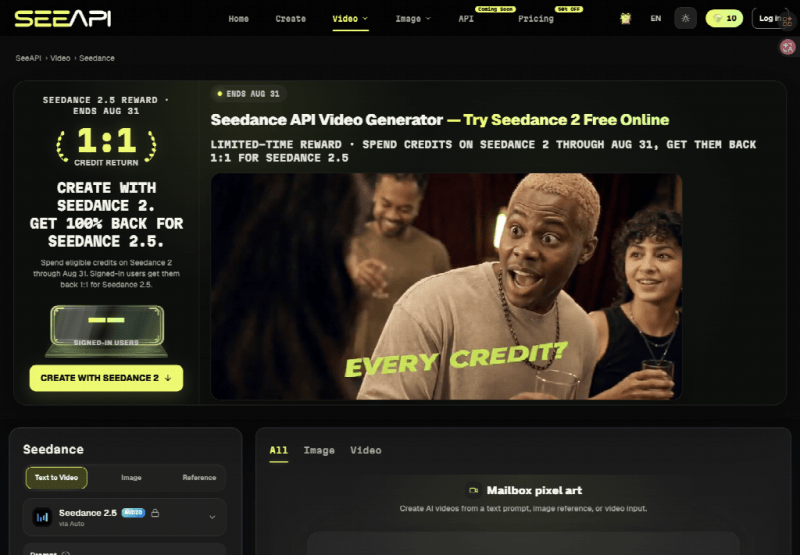
Deal pages lose the week when the tile shows $24.99 and the listing still says $29.99, or when a pack SKU melts into a cousin code by the third frame. Shoppers pause on the price. They compare it to the card they already trust. The Seedance API path exists so a merch editor can lock that listing still before any push-in, then throw out the cut if the price or the pack code smears.
Weekly drops already run on a short clock. A smeared price next to an “in stock” badge is a correction ticket, a refund thread, and a tile that legal will not defend. Motion should prove the listing the merch team signed. SeeAPI keeps the still, the generate, and the compare in one place so that check happens before the grid goes live.
Deal Tiles Die When The Price Smears
Deal grids look lively with a short orbit on the pack. The box turns, the light hits the badge, and the cut feels like a sale. Place the largest price frame next to the original listing still and the number often warps — extra digit, missing decimal, or a pack SKU the catalog never carried.

Merch editors usually catch the miss after the tile is in the grid and the newsletter block is pasted. That single discard sends the drop back to rework. The week is no longer about crop taste. It is about whether the clip can defend the price the site already published.
Shoppers read deal tiles the way they read a shelf tag. They pause. They zoom. They match the printed line to the card. If the motion invents a second price, the tile cannot ship. Soft gloss on the pack is allowed. An unreadable $ mark or a melted SKU is not. Around second three the smear is usually obvious if you hold the largest price frame against the signed listing crop. A weekly drop that ships that smear also pulls the newsletter block and the schema price the site already published, which is a longer rework than another Fast lock.
Price Stills Beat Invented Chrome On Listings
Adjective prompts ask the model to guess which pack is on the table. “Cinematic sale energy, premium plastic, urgent badge” does not name the price, the pack SKU, or the safe zone around the barcode. The model then paints a prettier box. Pretty is how invented chrome and fake strike-throughs get into a grid legal already approved.
The object is the listing still the merch team signed: readable price, readable pack SKU, no finger over the type. Seedance 2.0 can drive from an image reference and keep a printed panel stable while the camera moves. That only helps if the still is attached before anyone writes a mood paragraph. A still from last week’s drop is how a retired SKU lands on this week’s tile, and the comments will treat that as a bait price even when the motion looked clean.
Reject Frames Where The Pack Price Smears
Scrub to the frame where the price is largest. If a colleague cannot read the same number and the same pack SKU as the listing still, the clip is discarded. Soft grain on the pack art is fine. A warped digit, a second currency mark, or a badge the catalog does not sell is a kill.
In our desk that reject sits in the drop folder the same day, named with the SKU and the smear, so a contractor does not reopen a glossy wrong price and call it a style note.
Path A Locks The Still Path B Freezes
Two habits show up on merch desks before a weekly drop. Path A locks the listing still now, runs a short Fast proof, and keeps or kills the tile from that compare. Path B freezes all motion until Seedance 2.5 “looks ready,” then hopes the price will hold on drop day.
Path A spends a known Fast lock and learns whether the price survives. Path B spends nothing now and learns nothing. The freeze feels prudent. It still leaves the smear untested. An AI API workspace does not replace the catalog. It keeps the still and the proof in one path so the merch editor can pick A or B on purpose.
Path A Attaches The Listing Still First
Attach the signed listing crop. Choose Fast. Write a prompt that names only the allowed move: a hold or a tiny push-in, no orbit that swings off the price. Generate. Compare the largest price frame to the still. If the number smears, change the crop. Do not escalate a broken lock. SeeAPI compare is the whole point of Path A.
Path B Waits And Learns Nothing
Path B parks the tile as a static card and waits for the next model. The drop still needs a readable price this week. Waiting does not attach a still. It does not write a reject. Drop day then starts with the same smear risk, plus a calendar excuse. SeeAPI credits sitting unused do not prove the pack SKU.
Fast Seven Twenty Proves The Price Lock
A Fast 720p five-second render lists at 150 credits. That is the price-lock test for Path A. One hundred fifty credits is enough to see whether $29.99 and the pack SKU still read when the camera leans in. It is the spend a merch editor can explain at standup: one Fast lock per tile, keep or discard, then move on. If the first 150 smears the number, spend the next 150 on a tighter crop, not on a heavier tier that only sharpens the wrong price.
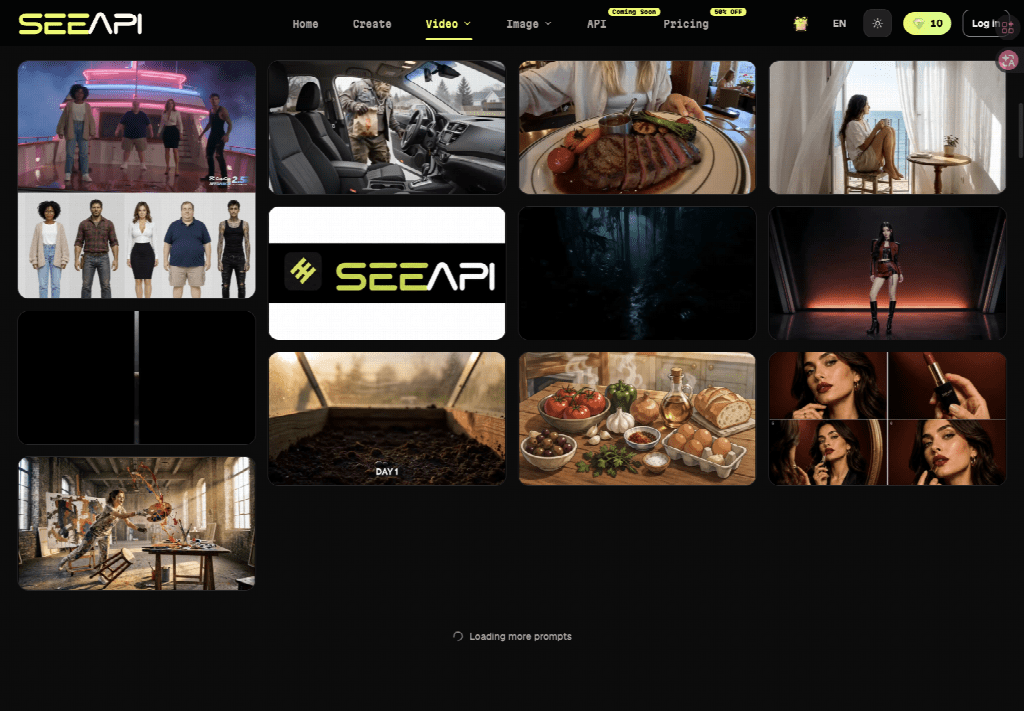
The published flow stays linear: choose Fast, Quality, or Lite, write the prompt, attach the listing still, generate, compare. Start at Fast 720p for the lock. Quality waits until the price already held. Lite is a weaker question when the tile will sit in a dense grid that shoppers pinch-zoom. Do not start at a heavier pass because the pack looks small in the thumbnail. A sharper smear is still a smear.
| check | Path A lock the still | Path B freeze until 2.5 |
|---|---|---|
| Listing still | attached before generate | none, wait |
| First spend | Fast 720p 5s at 150 credits | zero now, untested later |
| What you learn | price and SKU hold or fail | nothing until drop day |
| Drop risk | reject before the grid ships | smeared price on the live tile |
Path A is the row you can defend. Path B is the row that only looks cheap. Through August 31, eligible Seedance 2 spend returns one-to-one as permanent Seedance 2.5 credits after launch for paid, signed-in users. That line funds a later retest of the same listing still. It does not bless a freeze that never attached the price.
Pick The Lock Before The Merch Drop Ships
Pick Path A when this week’s grid must show a readable price and a real pack SKU. Lock the listing still. Spend the Fast 720p five-second pass at 150 credits. Keep the clip only if a colleague can read the same number as the card.
Pick Path B only if the tile will not ship until later and the desk accepts an untested smear on day one. Most weekly merch drops cannot take that bet. SeeAPI’s compare step is there so the bet is visible before the newsletter goes out.
The lock is the price. If the price fails, the tile waits. If the price holds, the camera may move. That order is slower than an adjective pile and cheaper than a week of refund threads that quote a number the catalog never sold.