
For decades, the retail landscape has been dominated by mass production. Economies of scale dictated that making thousands of identical products was the only path to high profit margins. However, a significant shift is occurring within the modern business landscape. Driven by evolving consumer preferences and advanced digital tools, independent artisans and luxury makers are proving that a made-to-order structure can be highly resilient. By focusing on exclusivity and client collaboration, the custom craftsmanship business model is successfully challenging traditional high-volume operations. Global on-demand manufacturing platforms have recently demonstrated at scale that pivoting to a tailored structure is a viable way to mitigate financial risk. Furthermore, these agile businesses can adapt to changing market trends with remarkable speed, leaving bulky corporate competitors behind.
Elevating the Client Experience
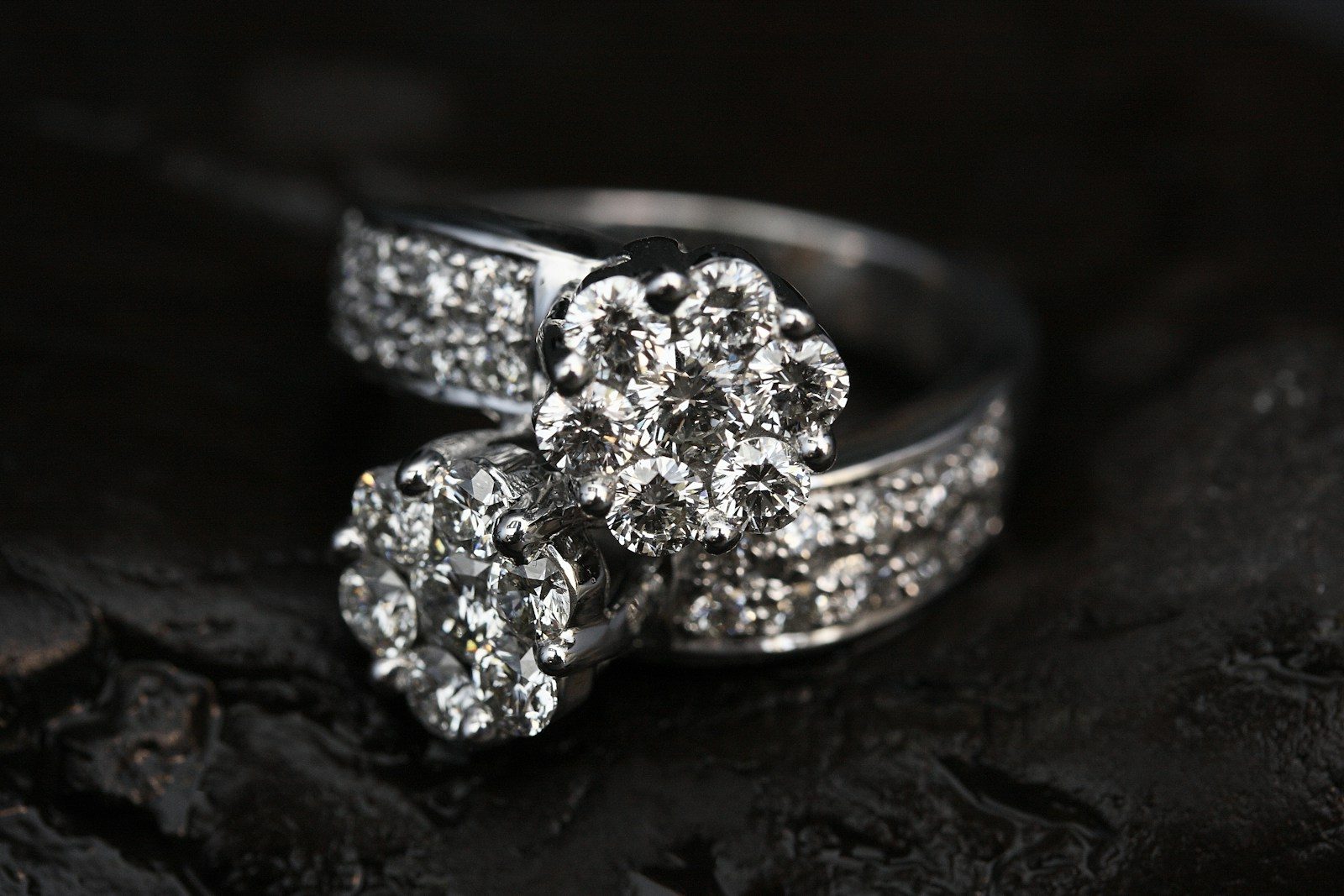
At the core of the craftsmanship model is a hyper-focused approach to client relations. Unlike mass-market brands that rely on transient transactions, independent artisans prioritise high-quality, personalised buyer journeys over sheer volume. This deep level of collaboration is especially visible in the accessories market. For example, the creation of bespoke jewelry requires a consultative process where the buyer is closely involved in selecting stones, refining designs, and approving final drafts. This hands-on participation transforms a standard retail transaction into an emotional, memorable event, which ensures long-term customer retention and generates strong referrals.
For entrepreneurs looking to emulate this success, implementing proven strategies to improve customer experience is absolutely essential. Mapping the buyer journey and tailoring every interaction builds a level of brand loyalty that large-scale competitors often struggle to replicate. Today, consumers expect a relationship with the brands they support. Prioritising these touchpoints helps independent businesses thrive even during economic downturns, proving that thoughtful service is just as valuable as the physical product itself.
The Economics of Made-to-Order Manufacturing
The financial logic behind personalisation is increasingly compelling. Recent data from Deloitte indicates that over 70 percent of consumers are willing to pay a premium for customised goods. Furthermore, a recent market research report forecasts the global luxury goods market will hit a staggering valuation by 2034, driven largely by brands targeting younger demographics with highly customised product offerings. This growing demand allows independent makers to offset the slower production times inherent in crafting items by hand. Major online artisan marketplaces reported recently that personalised merchandise contributed to nearly 30 percent of their total transaction volume.
Key Advantages of a Zero-Inventory Approach
Operating a made-to-order business provides structural advantages that go far beyond basic customer satisfaction. By producing goods exclusively on demand, craft businesses can operate lean, zero-inventory workshops. This operational pivot offers several critical benefits for modern enterprises:
- Eliminating speculative overproduction: The made-to-order model actively combats the estimated 92 million tons of fashion and accessory waste generated globally each year.
- Freeing up working capital: Operating without a massive stockpile reduces overhead costs, releasing funds that traditional mass-market retailers typically tie up in large-scale warehousing.
- Protecting brand perception: Producing items only when they are purchased prevents the need for seasonal clearance sales. This ensures that luxury customers do not learn to delay their purchases in anticipation of heavy discounts.
- Boosting satisfaction rates: Companies that successfully adopt flexible, made-to-order manufacturing reported an average 15 percent increase in customer satisfaction during recent market assessments.
The Rise of the Experience Economy
Beyond the physical products themselves, the modern creative economy thrives on shared experiences and transparency. In a major demographic shift for independent artisans, nearly a third of today’s craft buyers are under the age of 35. These younger consumers value authenticity over convenience. Today, 20 percent of craft consumers indicate a strong willingness to pay for hands-on artisan workshops and making classes. Independent businesses are no longer just selling an end product. They are actively monetising their expertise and opening their studio doors to the public. This diversification of revenue streams adds an extra layer of financial security to the craftsmanship model.
Ultimately, the shift toward customisation proves that bigger is not always better in the retail sector. As consumers increasingly seek out exclusivity, emotional permanence, and ethical production, the custom business model offers a highly effective blueprint for long-term success. By eliminating physical waste, maximising profit margins, and building highly authentic relationships with their buyers, independent makers are quietly mastering the economics of the modern market. This sustainable, customer-first approach is rapidly redefining the future of commerce for the better.