
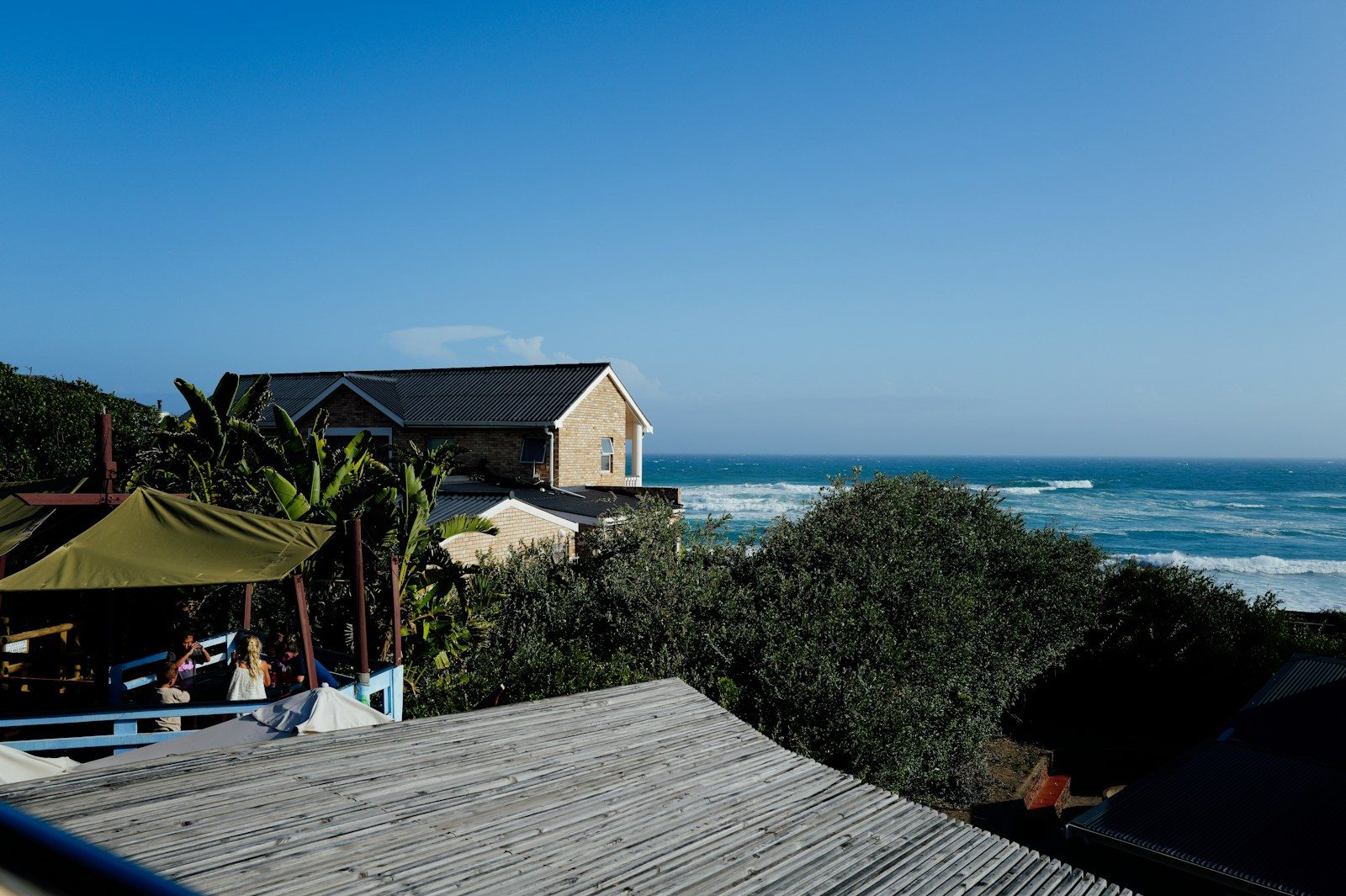
Investing in a coastal property is a dream for many Australians. The allure of the beach lifestyle, coupled with strong rental demand, makes seaside homes an attractive addition to any real estate portfolio. Over recent years, a growing trend of regional migration has driven more renters toward the coast, seeking better work-life balance and scenic surroundings. While you might explore various incredible cities for real estate investing to find the right baseline market, those who choose coastal locations must prepare for a distinct set of management challenges. Achieving consistent, long-term returns requires more than simply securing a lease and collecting rent. It involves a deep understanding of local weather impacts, regular upkeep routines, and knowing exactly how to cater to the specific lifestyle expectations of coastal tenants. Proper planning at the outset can save you from unexpected expenses down the road.
Navigating the Unique Environmental Challenges
Coastal homes face a much harsher physical environment compared to properties located further inland. The daily combination of intense sun, frequent severe storms, and relentless sea breezes can drastically shorten the lifespan of standard building materials. Because coastal climates are uniquely demanding, owners need to be hyper-vigilant about wear and tear. To secure the best property management in Sunshine Coast markets have to offer, investors must find an agency that understands local weather impacts and seasonal tenant demands. A knowledgeable local manager can coordinate the specialised upkeep required for seaside homes, ensuring that routine checks are never missed and that trusted local tradespeople are handling repairs quickly. Having an expert on the ground is one of the most effective ways to mitigate the environmental risks associated with beachside properties.
Proactive Maintenance Strategies for Seaside Homes
Staying ahead of the elements requires a proactive approach rather than a reactive one. Waiting for something to break is a costly strategy when dealing with sea air and extreme weather. According to modern industry research on sustainable building materials for coastal living, salt in the air accelerates metal corrosion and degrades exterior finishes, while constant high humidity promotes moisture absorption that leads to swelling and rot in traditional wood-based products. This environmental reality means your ongoing maintenance budget and inspection frequency must reflect the specific challenges of the coastal elements. Catching minor wear, such as flaking paint or early signs of rust, before it turns into major structural decay is essential for protecting your capital investment and keeping your tenants safe.
To effectively safeguard your coastal property, consider implementing a rigorous seasonal checklist:
- Exterior Washing: Schedule regular professional wash-downs of the exterior walls, windows, and outdoor living spaces. This removes the invisible layer of corrosive salt that builds up over time and damages exterior paint.
- Roof and Gutter Inspections: Clear gutters frequently and inspect the roof for loose tiles or damaged flashing. Coastal storms can be fierce, and a secure roof is your first line of defence against water damage.
- Rust Prevention and Sealing: Apply rust-resistant coatings to exposed metal fixtures, outdoor lighting, and balcony balustrades. Timber decking should also be resealed annually to prevent splintering and rot.
- Moisture and Ventilation Control: Ensure adequate ventilation in bathrooms, laundries, and basements. Installing heavy-duty exhaust fans helps combat high indoor humidity and prevents mould growth in damp spaces.
Enhancing Tenant Appeal and Retention
Beyond physical property maintenance, maximising your investment returns involves attracting and retaining high-quality tenants. Renters who specifically seek out coastal living are usually looking for a distinct lifestyle. They value well-designed outdoor entertaining areas, secure storage for recreational equipment like surfboards or kayaks, and easy-care landscaping that does not require hours of weekend gardening.
Upgrading your property with these tenant preferences in mind can significantly boost your rental yield. Simple, cost-effective additions, such as installing a dedicated outdoor shower to keep sand out of the house or creating a low-maintenance native coastal garden, can make your listing stand out in a crowded market. Furthermore, being highly responsive to maintenance and repair requests builds strong tenant loyalty. When tenants feel their home is actively cared for, they are far more likely to renew their leases. Long-term tenancies drastically reduce the costs associated with vacancy periods, marketing fees, and re-letting, ultimately putting more money back into your pocket.
Owning a rental property by the beach can be a highly lucrative venture if managed with foresight and care. By understanding the heavy environmental toll, maintaining a rigorous upkeep schedule, and focusing strongly on tenant satisfaction, you can ensure your investment continues to grow in value. Taking these deliberate steps will help you enjoy the financial rewards and peace of mind that come with coastal real estate investing for years to come.