
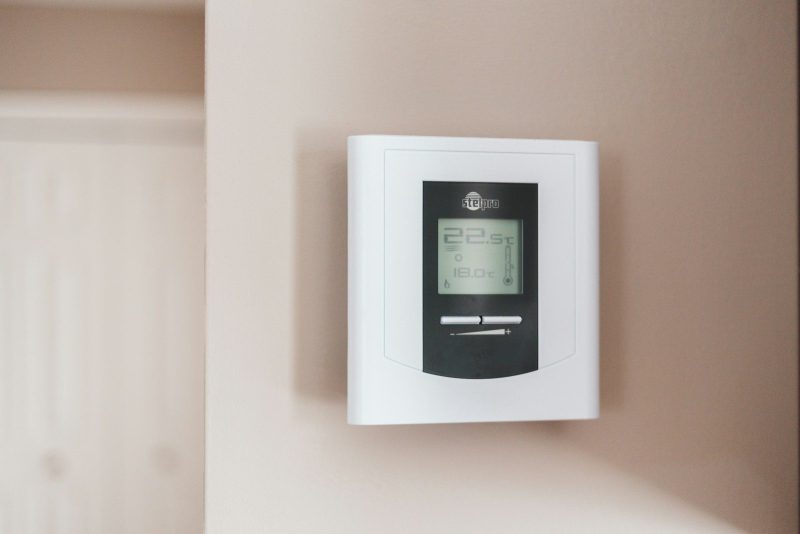
Modern infrastructure heavily relies on automation to maximize energy efficiency and structural longevity. Achieving optimal indoor climate control requires the installation of precise monitoring infrastructure. Among the various field devices deployed today, humidity sensors stand out as critical components for managing indoor air quality and protecting sensitive equipment.
Choosing the correct electrical instrument for moisture measurement involves evaluating how well different technical architectures balance long-term performance against operational expenditures.
This blog explains how different technical architectures impact the accuracy, long-term stability, and total lifecycle costs of humidity sensors, enabling facility managers to choose the optimal instrumentation for their automation infrastructure.
Technology Architectures and Stability
When facilities managers deploy measurement equipment, long-term stability is crucial to avoid frequent recalibration.
Which humidity sensors provide the long-term stability required for smart facilities while keeping installation and maintenance costs low?
For these applications, Capacitive humidity sensors are widely favored in commercial automation due to their excellent structural resilience. These devices incorporate a thin-film polymer dielectric layer placed between two protective electrodes. As atmospheric moisture levels fluctuate, the polymer predictably absorbs water vapor, shifting the total electrical capacitance.
In contrast, resistive types employ a conductive salt layer to detect structural resistance variations. While resistive variants serve as cost-effective devices, they exhibit lower stability when exposed to volatile organic chemicals or persistent condensation. Over extended timelines, capacitive humidity sensors resist drift much better, ensuring that the automation system receives reliable data without experiencing premature component degradation.
Precision and Measurement Accuracy
Maintaining strict environmental parameters is essential for specialized indoor spaces like data centers, hospitals, and archives. High-accuracy humidity sensors can regularly track relative humidity with a narrow margin of error under ±1%. Achieving this level of precision requires sophisticated electronic design, where the internal circuitry instantly translates physical changes into linear electronic signals.
Choosing to incorporate high-precision instruments ensures that the heating, ventilation, and air conditioning infrastructure responds dynamically to minor ambient updates. Lower-tier devices often suffer from severe hysteresis, meaning they fail to register descending moisture levels quickly. For critical installations, investing in premium capacitive instruments guarantees the precise data tracking required to protect assets and optimize energy consumption profiles.
Balancing Maintenance and Total Operational Cost
The financial impact of deploying environmental sensors extends far beyond the initial purchase price of the hardware. Maintenance costs can escalate rapidly if a facility chooses to employ fragile or uncalibrated equipment across a massive floor plan. Choosing to incorporate robust capacitive humidity sensors substantially lowers operational overhead compared to less stable alternative designs.
These smart devices often feature specialized protective filters that prevent dust, particulate matter, and airborne contaminants from settling on the sensitive active area. Because capacitive architectures experience minimal sensor drift over multi-year cycles, facilities require fewer physical inspections and manual adjustments.
This reduced need for intervention translates directly into lower labor expenses and prevents premature device replacements. Selecting durable, factory-calibrated devices ensures that the initial capital expenditure delivers strong returns through multi-year operational reliability.
Upgrade Your Building Management System for Maximum Efficiency
Optimizing the indoor climate of a commercial facility demands a strategic approach to component selection. Prioritizing long-term stability and high measurement precision allows building operators to maintain healthy environments while significantly cutting down on routine system upkeep. Incorporating advanced humidity sensors into a centralized architecture provides the reliable data streaming necessary for automated climate management.
For modern enterprises seeking to achieve maximum efficiency and low maintenance costs, integrating top-tier infrastructure solutions, such as those designed by Schneider Electric, provides the ideal foundation for sustainable smart building operations.