
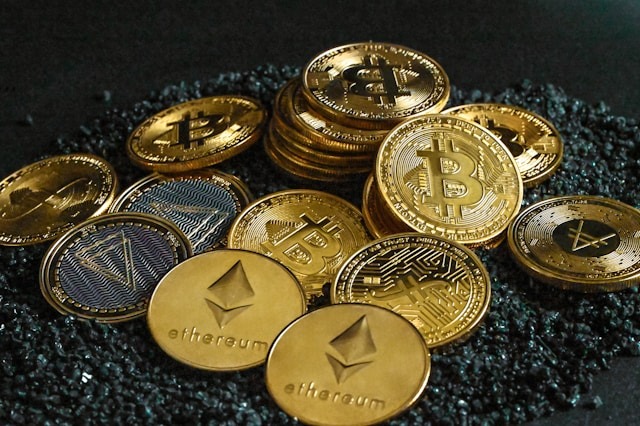
Cryptocurrencies are no longer a new asset class, but that doesn’t mean that they have already gone mainstream or are considered part of the same group as the assets that preceded them. Since they were designed to operate exclusively via computer networks, crypto tokens have long been regarded as relatively unstable, with the fluctuations and volatility impacting their prices being one of the main reasons why investors have largely preferred to stay away from them. However, over the last year, things have gradually begun to change, and institutional investments have picked up speed.
The reason for that is that the regulatory landscape has finally become much easier to navigate, as lawmakers have understood that specific laws that take into account the intricacies of crypto need to be introduced in order to ensure the market is safe for all those who want to use it. A safer market will instantaneously become more trustworthy as well, and when a trading ecosystem becomes more trustworthy, it is much easier for it to grow as a result of the engagement it attracts.
However, just because the marketplace is starting to mature doesn’t mean traders should abandon the creation and implementation of comprehensive strategies. Knowing what the latest ADA price prediction figures are, for instance, can help tremendously if you’re looking to expand your portfolio into the world of altcoins, and you will definitely want to look into metrics such as volume, engagement rates, and long-term value shifts. So, are cryptocurrencies the right choice for your investment portfolio, or would it be better to steer clear of them?
What are cryptocurrencies?
Cryptocurrencies are digital tokens secured by cryptography, a feature that makes them impossible to double-spend or counterfeit. This feature is what has attracted investors to the crypto market in the first place, on top of the fact that the decentralized nature of the assets means that the full anonymity of the users is preserved at all times. Crypto coins exist independently of centralized financial services or other governing authorities, making traders feel that they are much safer than traditional trading products whose value can be manipulated or which can be frozen or withheld from their owners.
Those living under authoritarian regimes or in countries that record incredibly steep inflation and currency depreciation rates are most likely to want to invest in digital coins due to the safety they provide. Many also use them as a way to access other fiat currencies that are much more stable. Even though cryptocurrencies are fundamentally different from stocks, bonds, or cash, they must still abide by the same standards and laws as their peers. Crypto exchanges and brokerages must secure a safe experience for all their users, entirely free of illicit activities of any kind.
The underlying technology powering the decentralized ledger is known as the blockchain, a system that has been overwhelmingly associated with the buying, selling, and trading of crypto so far but which is expected to revolutionize many industries and business sectors in the future. The transparency it provides will definitely support many areas, particularly manufacturing, retail, cybersecurity, logistics, and the energy sector, and create systems that are more trustworthy and reliable.
Decoding crypto
Understanding cryptocurrencies is the first step to ensuring you make the right choices when trading. While it can seem tedious, having all this knowledge is imperative; otherwise, you won’t be able to have a realistic view of the marketplace and all that it entails. The main benefits of trading cryptocurrencies include fast transfers and the relative affordability of the transactions. However, the downsides far outweigh these advantages in the case of the investors who prefer the slower, more careful approach.
The volatility, with the prices changing significantly in as little as twenty-four hours, isn’t something that inspires trust in the majority of traders. The blockchains are also known for being power guzzlers, consuming large amounts of energy to create coins and complete ventures. On top of that, the wallets must be protected at all times, and you should never forget the passwords or share them with anyone else. Once crypto is extracted from a wallet, getting it back is a nearly impossible endeavor.
There are many different types of cryptocurrencies out there as well. Some are strictly transactional. Bitcoin is the most popular representative of this category, while Ethereum and XRP are utility tokens, serving functions that are specific to their blockchains. The former is actually known for powering the development of NFTs, decentralized finance, and DApps.
Understanding safety and risks
According to Binance.com Regional Director DACH Jonas Juenger, “Local Binance Pay collaborations show how crypto is becoming part of everyday life – including grocery shopping in supermarkets, and highlights the powerful synergy between traditional retail and digital payment solutions, offering an enriched shopping experience. It’s proof that crypto isn’t just for traders or institutions, it’s for everyone.” However, many people are still not convinced about the potential of crypto. The scary stories related to the scams, hacks, and price shifts that investors have to go through definitely don’t help the reluctant ones who wish to join the market.
The fact that transactions cannot be reversed on the blockchain the way they would be changed in a traditional finance environment is another aspect investors should keep in mind for their long-term well-being. With the regulations still unclear in many areas, and the potential of wallet theft quite high, those who don’t have plenty of experience in the trading world are unlikely to want to join. But despite these factors, cryptocurrencies remain fairly popular among investors. Their speculative nature has helped many amass considerable fortunes, especially if they were fortunate enough to start investing early on.
To sum up, the crypto market is very complex and often difficult to predict. However, if you feel like it is the right solution for you and you feel ready to deal with digital assets, you should definitely give them a try. Adding them to your list of holdings will make the portfolio more diverse and robust, but you need to be mindful of the ways in which markets change to make the most of what they have to offer.