
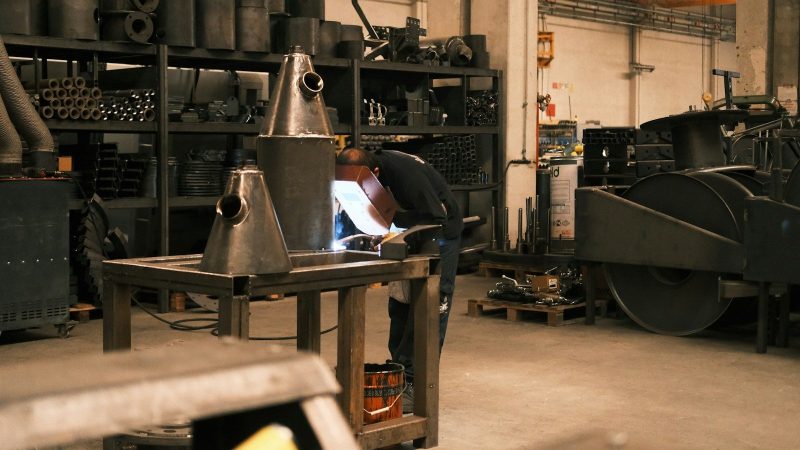
Industrial workplaces can present a wide range of hazards, from moving machinery and vehicle traffic to elevated platforms and heavy materials. While these risks cannot always be removed entirely, practical safety measures can significantly reduce the likelihood of accidents.
Creating a safer workplace is not simply about responding when something goes wrong. Businesses need to identify potential hazards early, establish effective controls and make safety part of everyday operations.
Carry Out Regular Risk Assessments
Risk assessments should reflect what is actually happening across the workplace. As equipment, processes and staffing arrangements change, new hazards can emerge.
Managers should regularly inspect production areas, warehouses, loading zones, access routes and maintenance spaces. Employees can also provide valuable insight because they work with equipment and processes every day. Encouraging workers to report hazards and near misses can help businesses address problems before they result in injuries.
Improve Walkways and Access Routes
Busy industrial environments often have pedestrians, forklifts, machinery and materials operating within relatively confined areas. Clearly defined routes can help prevent unnecessary interaction between people and workplace vehicles.
Floors should be kept clear of obstructions, spills should be dealt with promptly, and designated pedestrian routes should be clearly marked. Where possible, physical barriers can provide additional separation between workers and hazardous areas.
Stairs, platforms and elevated walkways also require particular attention. Installing suitable guardrails and handrails can provide collective protection in areas where there is a risk of falling. Solutions such as Kee Safety handrail safety can form part of a wider approach to creating secure access routes around industrial facilities.
Maintain Machinery and Equipment
Machinery that is damaged, poorly maintained or incorrectly used can create serious risks. Preventative maintenance programmes can help identify worn components, damaged guards and other problems before equipment becomes unsafe.
Maintenance schedules should be documented, while employees should have a clear process for reporting faults. Equipment that is considered unsafe should be taken out of service until it has been properly inspected and repaired.
Safety guards and emergency-stop systems should also be checked regularly rather than assumed to be working correctly.
Provide Practical Safety Training
Training should prepare employees for the hazards they are genuinely likely to encounter. New starters need appropriate induction training, but safety education should continue throughout employment.
Refresher sessions can cover areas such as manual handling, machinery operation, working at height, hazardous substances and emergency procedures. Training may also be necessary whenever new equipment or working methods are introduced.
Importantly, businesses should check that employees understand the information provided rather than treating attendance at a training session as sufficient.
Keep Work Areas Organised
Good housekeeping is one of the simplest ways to improve industrial safety. Tools, packaging, cables and discarded materials can quickly create trip hazards or obstruct emergency routes.
Storage systems should give materials a designated location, while frequently used equipment should remain easy to access without blocking walkways. Waste should also be removed regularly to prevent unnecessary accumulation.
Make Safety an Ongoing Priority
Industrial workplace safety requires continuous attention. Regular inspections, equipment maintenance, effective training, and employee involvement all contribute to stronger safety standards.
Businesses should also review incidents and near misses to understand what happened and whether existing controls need improvement. By treating safety as an ongoing operational responsibility rather than an occasional compliance exercise, organisations can create workplaces where risks are identified earlier and managed more effectively.