
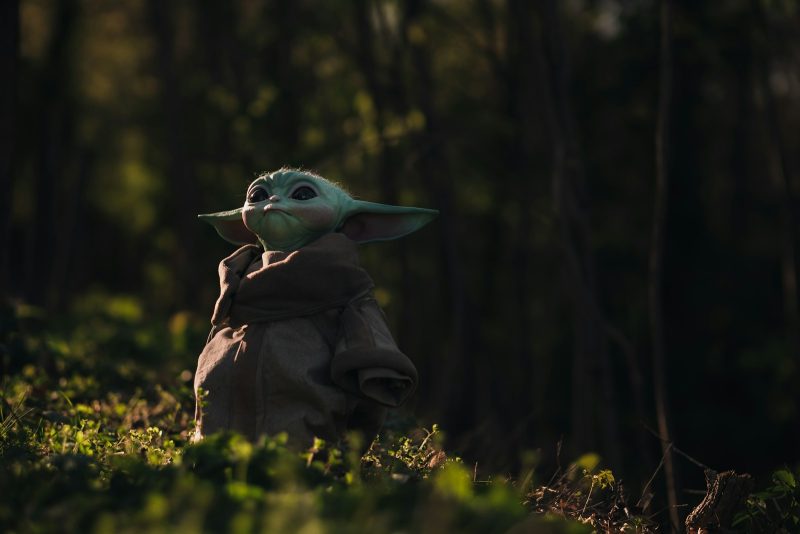
In a time when artificial intelligence is revolutionizing everything from logistics to music composition, it’s no surprise that creative industries are undergoing their own AI-powered transformation. One of the most vivid examples? Character creation. The age-old art of bringing fictional personas to life is being reimagined by intelligent image generation tools, and the results are nothing short of extraordinary.
Whether you’re a game developer, a comic book artist, a filmmaker, or a casual world-builder with a flair for fantasy, AI is making it faster, easier, and more inspiring to shape the faces and forms of your imagined worlds.
From Sketches to Stunning Characters—Faster Than Ever
Traditionally, character design has been a labor-intensive process—sketching, iterating, refining. Artists would spend hours crafting every detail, from facial expressions to clothing styles. Today, AI image generation tools like Midjourney, DALL·E, and others are flipping that model on its head.
These tools, powered by large-scale neural networks, can create compelling character visuals from just a few lines of text. You might enter a prompt like “steampunk woman with clockwork arm and glowing goggles” and receive back a high-resolution image that looks like it belongs on a movie poster or in a AAA video game.
But this isn’t just about saving time. AI opens doors to design possibilities previously limited by skill or budget. Need a hundred variations of an alien diplomat in silk robes? You can get them. Want to explore dozens of styles—cyberpunk, noir, medieval fantasy—for your lead hero? Just tweak the text and watch the visuals evolve.
The Rise of GANs and Diffusion Models
Behind the curtain of these intelligent design tools are groundbreaking technologies like GANs (Generative Adversarial Networks) and diffusion models. These algorithms are trained on vast datasets of imagery, learning to create entirely new visuals that don’t just imitate styles—they invent within them.
Diffusion models, in particular, have pushed AI image generation into new creative territory. Unlike older systems that often produced uncanny or distorted results, modern diffusion models produce detailed, aesthetically rich images that feel handcrafted. It’s not uncommon for creators to use AI-generated characters as concept art or even final assets in films, games, and comics.
One tool that exemplifies how far technologies have come is CGDream, which leverages the Flux technology to create highly detailed, naturally-rendered character visuals. Artists can explore a wide array of LoRA styles that adapt to different creative directions—from high fantasy to cyber-noir—while maintaining impressive image coherence: https://cgdream.ai/
More Than a Pretty Face: Building Narrative Depth
What makes a character memorable isn’t just their appearance—it’s their story. And AI is also stepping into this domain. Some platforms now combine image generation with AI storytelling tools, enabling creators to simultaneously generate a character’s visual identity and their personality, backstory, and relationships.
This fusion of text and image generation is reshaping workflows. For example, a writer might begin with a concept for a shy inventor who lives in a floating city. An AI tool could help visualize not just the inventor’s look, but also create environments, supporting characters, and even props that enrich the narrative. What once required multiple departments can now begin with a single creative spark and an intelligent assistant.
Game Studios and Virtual Worlds Are Paying Attention
Major players in the gaming industry are already integrating AI image generation into their pipelines. These tools are especially valuable during the prototyping and pre-production phases, where teams need to visualize dozens or hundreds of character options quickly. Studios use AI to create concept art, model references, and even dynamic in-game NPC appearances based on player choices.
Beyond gaming, AI-generated characters are beginning to populate virtual worlds, metaverse platforms, and immersive simulations. In some cases, they’re more than static avatars—they can move, speak, and even evolve based on user interaction, blurring the line between image generation and AI-driven performance.
Meet Your Virtual Doppelgänger
One of the more futuristic developments is the rise of AI avatars and digital influencers. Brands and individuals are increasingly turning to AI-generated characters as online personas. These virtual humans—created using advanced image generation combined with motion capture and voice synthesis—can host livestreams, post on social media, and engage with audiences in real-time.
Some creators have even started using specialized tools such as the ai mythological creatures generator to build imaginative entities that blend traditional folklore with futuristic design. Tools like this also support character, structure or style transfers between pictures, allowing for visual consistency across scenes or iterations—a key feature for storytelling and game design workflows.
The AI personalities are visually designed using the same tools creators use for character generation—just with more layers of interactivity added. The result? A growing industry around virtual presence and identity, especially in markets like fashion, entertainment, and gaming.
Ethical Design in the Age of AI Characters
Of course, with great power comes great responsibility. As intelligent tools become more accessible, so do the ethical questions surrounding their use. Who owns the rights to an AI-generated character? Can these tools unintentionally replicate real faces or cultural tropes?
Some platforms are addressing this proactively, offering usage licenses, customizable model training, and built-in content moderation to avoid biases or unwanted results. Still, it’s an ongoing conversation, and one that anyone working in AI-driven character creation should keep front of mind.
Where It’s All Heading
As AI image generation becomes more refined, we’re moving toward a future where characters can be fully formed—visually and narratively—within minutes. This doesn’t replace human creativity; it augments it. The tools aren’t deciding what to create—they’re making your ideas easier and more fun to bring to life.
From writers who finally get to see their characters rendered in vivid detail, to indie developers who can prototype entire game casts on a shoestring budget, the potential is massive. It’s no longer just about imagining new worlds—it’s about building them with help from intelligent tools that understand and expand your creative vision.