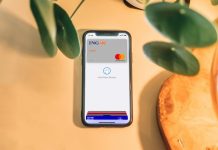

Mobile banking has revolutionized the way people handle their finances. Users can access their bank accounts, transfer funds, and make payments with just a few clicks on their smartphones. However, this convenience comes with a risk of security threats. Malware attacks, phishing scams, and social engineering attacks are just a few of the many threats that mobile banking users face. The need for secure mobile banking has never been more important. This is where end-to-end encryption comes in.
Security Risks in Mobile Banking
Mobile banking is vulnerable to a variety of security risks. Malware attacks, for example, are designed to infect mobile devices and steal sensitive information. Phishing scams are another common threat, where hackers use fake websites and emails to trick users into giving away their login credentials. Social engineering attacks are also becoming more common, where hackers impersonate legitimate businesses or financial institutions to trick users into divulging sensitive information.
What is End-to-End Encryption?
End-to-end encryption (E2EE) is a security mechanism that ensures that only the sender and receiver of a message can read its contents. This means that even if a message is intercepted, it cannot be deciphered by anyone else. E2EE is considered one of the most secure encryption methods available, and is used by many companies and organizations to protect sensitive data.
End-to-End Encryption in Mobile Banking
End-to-end encryption is a critical component of secure mobile banking. By encrypting all communications between a mobile device and a banking server, E2EE ensures that unauthorized third parties cannot intercept or read any sensitive information transmitted over the network. This includes login credentials, account information, and transaction data.
Innovative banking app features, such as biometric authentication and tokenization, have made mobile banking more secure than ever before. Biometric authentication, such as facial recognition and fingerprint scanning, provides an additional layer of security that is difficult for hackers to bypass. Tokenization, on the other hand, replaces sensitive data with a unique identifier, which makes it useless to hackers even if it is intercepted.
End-to-End Encryption Implementation
Implementing end-to-end encryption in mobile banking requires careful consideration of technical, legal, and user-related factors. From a technical standpoint, banks must ensure that their mobile apps and servers are capable of supporting E2EE protocols. Legal considerations, such as compliance with data protection laws, must also be taken into account.
User education is also important when implementing end-to-end encryption. Users must understand the importance of E2EE and how it works. They should also be informed about the potential risks of using unsecured Wi-Fi networks or downloading untrusted apps.
Conclusion
End-to-end encryption is a crucial component of secure mobile banking. With the rise of mobile banking, protecting sensitive information from cybercriminals has become more important than ever. Innovative banking app features, such as biometric authentication and tokenization, have made mobile banking more secure than ever before. However, it is important to remember that implementing E2EE requires careful consideration of technical, legal, and user-related factors.
FAQs
What is end-to-end encryption?
End-to-end encryption is a security mechanism that ensures that only the sender and receiver of a message can read its contents.
Why is end-to-end encryption important in mobile banking?
End-to-end encryption is important in mobile banking because it ensures that sensitive information transmitted over the network cannot be intercepted or read by unauthorized third parties.
What are some innovative banking app features that make mobile banking more secure?
Biometric authentication and tokenization are two innovative banking app features that make mobile banking more secure.
What are some potential risks of using unsecured Wi-Fi networks or downloading untrusted apps?
Using unsecured Wi-Fi networks or downloading untrusted apps can leave mobile banking users vulnerable to malware attacks, phishing scams, and social engineering attacks.
What should mobile banking users do to protect themselves?
Mobile banking users should make sure to use strong and unique passwords, enable biometric authentication if available, only download apps from trusted sources, and avoid using unsecured Wi-Fi networks when conducting sensitive transactions.