Top Heating Services Every Homeowner Should Schedule Before Winter
The first cold morning always arrives quietly.
You wake up, shuffle toward the thermostat, and flip the heat on for the first time in months. There’s a pause. A click. Then… a smell. Dust burning. Maybe a faint rattle you don’t remember from last year.
You tell yourself it’s fine.
Sometimes it is.
Sometimes it’s the beginning of a very expensive winter.
Smart homeowners don’t wait for freezing temperatures to test their heating systems. They schedule essential heating services early—before HVAC companies are overwhelmed and before minor issues turn into no-heat emergencies.
Here’s what should be on your pre-winter checklist.
1. Professional Furnace Inspection (The Non-Negotiable One)
If you schedule only one service before winter, make it this.
A professional furnace inspection goes far beyond “turning it on to see if it works.” Technicians examine:
- Heat exchangers for cracks
- Burners for proper ignition and flame color
- Electrical connections
- Blower motor performance
- Safety controls
According to the U.S. Department of Energy (energy.gov), regular maintenance can improve heating efficiency and extend equipment lifespan significantly. A poorly maintained furnace doesn’t just cost more to operate—it can fail when demand is highest.
And winter breakdowns rarely happen on mild days.
Routine heating services catch worn components early. A loose wire in October is a quick fix. In January? It could mean frozen pipes and emergency calls.
2. Heat Exchanger Safety Check (Because Carbon Monoxide Is No Joke)
This deserves its own category.
The heat exchanger separates combustion gases from the air circulating in your home. If it cracks, carbon monoxide can leak into living spaces.
The CDC emphasizes that carbon monoxide is odorless, invisible, and potentially deadly (cdc.gov). Annual inspection ensures the exchanger is intact and operating safely.
This isn’t about comfort. It’s about health.
A certified technician will inspect for corrosion, stress fractures, and airflow problems that strain the exchanger over time.
If you’ve never had this checked—or can’t remember the last time—it’s time.
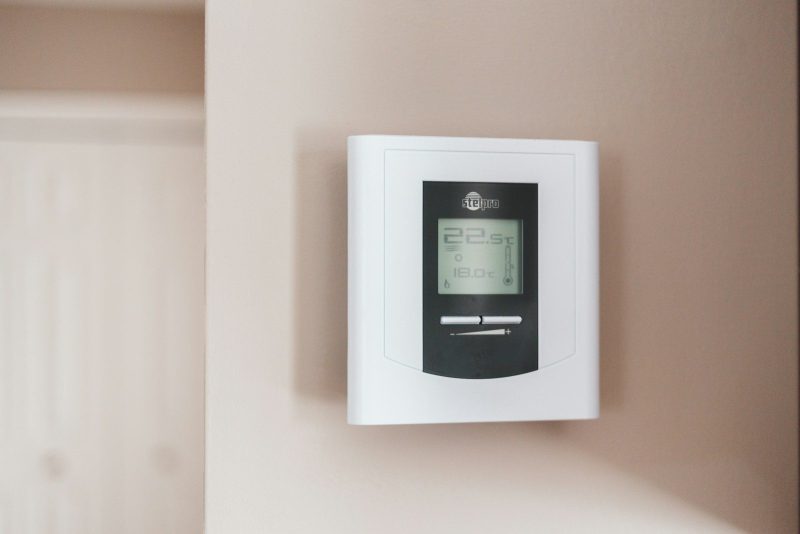
3. Thermostat Calibration and Upgrade
Let’s talk about that little box on your wall.
If your thermostat is inaccurate by even a few degrees, your system works harder than necessary. That means:
- Higher energy bills
- Inconsistent room temperatures
- Excessive cycling
Calibration ensures the temperature reading matches reality.
And if you’re still using an older manual thermostat? Consider upgrading to a programmable or smart model. The Department of Energy notes that programmable thermostats can save homeowners up to 10% annually on heating costs when used properly (energy.gov).
Small change. Noticeable difference.
4. Air Filter Replacement (Simple but Powerful)
It’s the most overlooked task in heating maintenance.
A clogged filter restricts airflow, forcing your furnace to strain. That strain leads to:
- Reduced efficiency
- Overheating risks
- Premature system wear
Replacing filters before winter—and checking them monthly during peak season—protects your system and improves indoor air quality.
Clean airflow isn’t optional. It’s foundational.
Many professional heating services include filter inspection during tune-ups, but homeowners should still monitor them throughout the season.
5. Ductwork Inspection and Sealing
Your furnace might be running perfectly—but if heated air leaks into your attic or crawlspace, you’re paying to warm empty space.
The Department of Energy estimates that leaky ducts can reduce heating efficiency by up to 20% (energy.gov).
Duct inspections identify:
- Loose connections
- Damaged sections
- Poor insulation
- Air leakage
Sealing and insulating ductwork ensures the heat you’re paying for actually reaches living areas.
Comfort should happen inside your home. Not above your ceiling.
6. Blower Motor and Fan Cleaning
Dust accumulates inside your system over time. Especially if summer maintenance was skipped.
The blower motor is responsible for pushing warm air throughout your home. When it’s dirty, it works harder. That extra strain increases wear and decreases airflow.
Professional heating services include cleaning and lubricating moving components. It’s a small step that protects one of the system’s hardest-working parts.
And yes—you’ll notice stronger, more consistent airflow afterward.
7. Ignition System and Pilot Light Check
If your system uses gas, the ignition system must function flawlessly.
Delayed ignition, weak pilot flames, or inconsistent burner operation can:
- Reduce efficiency
- Increase fuel consumption
- Create safety hazards
Technicians examine burner alignment, flame sensors, and ignition components to ensure clean, reliable combustion.
A properly functioning burner should produce a steady blue flame. Yellow or flickering flames? That’s a sign something’s off.
Better to fix it in October than during a January cold snap.
8. Humidity Control Evaluation
Winter air is dry. Uncomfortably dry.
Low humidity can lead to:
- Dry skin
- Static electricity
- Cracked wood furniture
- Increased respiratory irritation
Whole-home humidifiers integrated with your heating system maintain balanced indoor humidity levels. Technicians can inspect, clean, and adjust these systems before heavy winter use.
Comfort isn’t just about warmth. It’s about balance.
9. Energy Efficiency Assessment
Heating costs spike in winter—but they don’t have to spike excessively.
An efficiency assessment evaluates:
- System age and performance
- Insulation quality
- Thermostat settings
- Air leakage around windows and doors
If your system is older or running inefficiently, a professional may recommend adjustments—or discuss long-term upgrade options.
Scheduling comprehensive heating services before winter ensures your system is optimized for peak performance.
Prevention always costs less than emergency replacement.
10. Carbon Monoxide Detector Testing
Even if your furnace is functioning properly, detectors are your backup safety system.
Test batteries. Confirm functionality. Replace units older than 5–7 years.
Carbon monoxide exposure is preventable—but only if monitoring systems are active and working.
Winter means sealed windows and limited ventilation. That makes detectors even more critical.
Why Timing Matters
Waiting until winter arrives creates three problems:
- High Demand – HVAC companies book quickly during cold spells.
- Higher Costs – Emergency calls often cost more.
- Greater Stress – No one wants to troubleshoot heat in freezing weather.
Scheduling heating services in early fall allows technicians to perform thorough inspections without rush. It gives homeowners time to make repairs calmly—before temperatures drop.
Think of it like preparing your car before a long road trip. You wouldn’t check the engine halfway through the drive.
The Bigger Picture: Longevity and Peace of Mind
A furnace typically lasts 15–20 years. But lifespan depends heavily on maintenance.
Regular heating services:
- Extend system life
- Improve efficiency
- Reduce emergency repairs
- Maintain manufacturer warranties
- Lower long-term operating costs
More importantly? They eliminate uncertainty.
There’s a quiet confidence that comes with knowing your system has been professionally inspected. No guessing. No waiting to see if it “makes it through” another winter.
Just steady, reliable heat.
Final Thought: Winter Is Predictable. Emergencies Aren’t.
Cold weather isn’t a surprise. It comes every year.
The only variable is whether your heating system is ready.
Homeowners who schedule inspections, safety checks, airflow evaluations, and efficiency tune-ups before winter rarely experience mid-season breakdowns. Those who skip maintenance often end up searching for help during the busiest—and coldest—days of the year.
The choice isn’t dramatic. It’s practical.
Schedule your heating services before winter arrives.
Because comfort in January is decided in October.