

Suffering an amputation can drastically affect a person’s life, both physically and emotionally. Compensation for amputation injuries may include medical expenses, lost income, pain and suffering, loss of enjoyment of life, and in some cases punitive damages, depending on the severity of the injury and the circumstances involved.
The financial and personal costs can be significant, making it crucial to understand what compensation may be available. Knowing your rights helps you protect your future and pursue the support you deserve.
If you experience an amputation injury due to someone else’s negligence, it is essential to act quickly. Evidence, medical records, and documentation of lost income all play a critical role in determining how much compensation you may receive. Seeking guidance early can help ensure you receive full and fair damages for your losses.
What Is an Amputation Injury?
An amputation injury occurs when a limb, finger, or part of a limb is removed, either accidentally or through medical necessity. These injuries are life-altering and often require extensive medical care, rehabilitation, and emotional support.
Amputation injuries can happen in accidents at work, car crashes, or due to defective products. Each case is unique, and the type and severity of the injury directly influence the amount of compensation you may seek. Understanding your rights after an amputation injury is the first step toward recovery.
Types of Compensation You May Seek
Courts and insurance companies recognize several categories of damages for amputation injuries. Knowing which types apply to your situation helps you build a strong claim.
1. Medical Expenses
Medical costs are often the most immediate and substantial damages. They include:
- Hospital bills
- Surgery and prosthetic devices
- Rehabilitation and physical therapy
- Ongoing medical care for complications
Documenting all expenses ensures your claim accurately reflects your financial needs.
2. Lost Income
An amputation can affect your ability to work, temporarily or permanently. Compensation may cover:
- Wages lost during recovery
- Reduced earning capacity due to disability
- Additional training or career changes required
Courts will consider both current and future financial impacts when calculating damages.
3. Pain and Suffering
Pain and suffering account for the physical and emotional toll of the injury. Losing a limb can lead to chronic pain, depression, or anxiety, all of which may be considered in compensation claims.
4. Loss of Enjoyment
An amputation can limit participation in hobbies, sports, or daily activities. Courts sometimes award damages for the loss of life enjoyment and changes in lifestyle.
5. Punitive Damages
In cases of gross negligence or intentional harm, punitive damages may apply. These are designed to punish the wrongdoer and deter similar conduct in the future.
How Evidence Impacts Your Claim
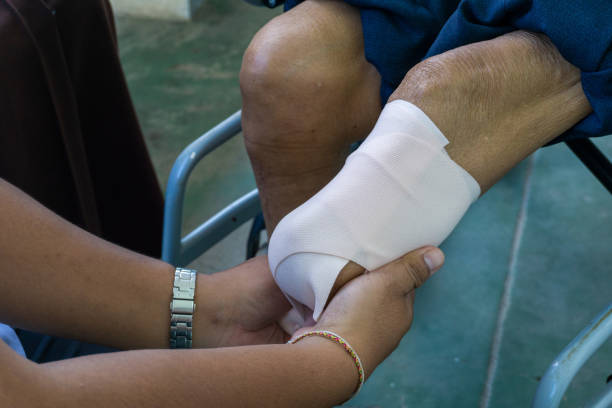
Supporting your claim with strong evidence strengthens your case. Medical records, accident reports, and witness statements are essential. Photos, videos, and professional evaluations further demonstrate the severity and impact of your injury.
A well-documented amputation injury claim increases your chances of receiving full and fair compensation. Courts and insurers rely on this evidence to decide the value of your claim.
Steps to Take After an Amputation Injury
Taking prompt, organized action improves your chances of securing fair compensation.
- Seek immediate medical care: Prioritize health and establish official medical records.
- Document everything: Save medical bills, receipts, and records of lost income.
- Report the incident: File official accident reports if applicable.
- Gather witness statements: Names and contact information can help support your claim.
- Consult a personal injury attorney: Legal guidance ensures you understand your rights and options.
Following these steps helps prevent disputes and strengthens your case.
Common Challenges in Amputation Claims
Claiming compensation for an amputation can involve challenges. Insurers may dispute the severity, question negligence, or undervalue your losses. Providing detailed evidence, expert opinions, and thorough documentation is crucial to overcoming these obstacles.
Courts may also require proof that the injury directly resulted from another party’s actions. That’s why collecting medical and accident documentation early is critical to supporting your claim.
Key Takeaways
- Amputation injuries are serious and life-altering, requiring comprehensive compensation.
- Compensation can cover medical expenses, lost income, pain and suffering, and lifestyle losses.
- Strong evidence increases the value of your claim.
- Acting promptly and documenting all aspects of the injury is essential.
- Consulting a personal injury attorney helps protect your rights and maximize compensation.
- Punitive damages may apply in cases of gross negligence.