
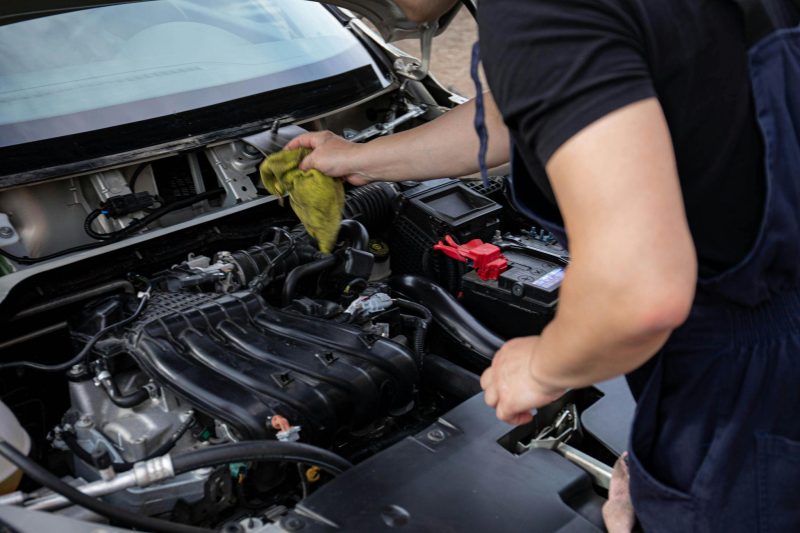
Your car’s heart has failed. The engine is done. This moment is stressful. It also presents a major opportunity. You face a critical decision. Do you repair, replace, or upgrade?
Choosing a new power system is a big project. It requires careful thought. This is not just about matching horsepower numbers. You must consider compatibility, cost, and long-term goals.
A wrong choice leads to headaches and wasted money. A right choice can transform your vehicle. Let’s walk through the key factors for this important decision.
Defining Your “Why”
Start with a simple question. Why are you doing this? Your answer shapes everything. Is the goal simple, reliable transportation? Are you restoring a classic to original specifications? Do you want a dramatic performance upgrade? Maybe you are aiming for better fuel economy.
Your core objective is your guiding star. It will help you filter through endless options. A simple commuter car needs a dependable, affordable swap. A weekend cruiser might deserve a more exciting heart. Know your mission before you shop for parts.
The Compatibility Puzzle
This is the most technical step. Not every engine fits in every car. You must consider physical dimensions. Will the new engine clear the hood, frame rails, and firewall? Check the mounting points. Are they in the same location? Think about the drivetrain. Will your existing transmission bolt up? If not, you need an adapter or a new transmission.
The electronics are crucial for modern engines. A swap from carburetor to fuel injection requires a new wiring harness and computer. An easy path is choosing a factory-designed replacement. A new 3.6 Chevy engine is a straightforward choice for a vehicle that originally had one. The swap is largely plug-and-play. This avoids most compatibility nightmares.
New, Rebuilt, Remanufactured, or Used?
You have four main source options, each with pros and cons:
- New (OEM or crate): This is the most expensive and reliable choice. It comes with a full factory warranty. It is a zero-mile, pristine unit. Perfect for peace of mind.
- Remanufactured: A professional rebuild to original specs. It often includes a strong warranty. The price is lower than new. The quality can be excellent.
- Used (“Pull-out”): This is the cheapest upfront option. You buy an engine from a junkyard or salvage car. It is a complete gamble. You have no real history. The mileage is unknown. It could fail next week.
- Rebuilt by a local shop: This can be a great middle ground. You provide your old engine core. A trusted machine shop rebuilds it. The cost and quality depend entirely on the shop’s reputation.
The Total Cost of Ownership (TCO)
The price tag on the engine is a lie. It is only the beginning. You must calculate the TCO. This includes the engine itself. Add the cost of any necessary adapter kits, mounts, or headers. Factor in new fluids, hoses, and belts. Will you need a new radiator or exhaust system?
Most importantly, budget for labor. Professional installation is expensive. Are you doing the work yourself? Your time and tool investment is a real cost. A cheap used engine can actually become very expensive after installation and inevitable repairs.
The Longevity and Warranty Safety Net
How long do you need this engine to last? Your time horizon matters. A new or remanufactured engine with a 3-year, unlimited-mile warranty is a long-term solution. It protects your investment. A used engine with no warranty is a short-term gamble. It might get you back on the road for a year. It might fail next month.
The warranty is your safety net. It is also a sign of the seller’s confidence in their product. Never underestimate the value of a strong, written warranty.
Supporting System Demands
An engine does not work alone. It needs support. A more powerful engine needs a stronger transmission. It may require a bigger radiator for cooling. The stock fuel pump might not supply enough volume. The electrical system must handle the new computer and sensors.
You must upgrade these supporting systems to match the new powerplant. Failure to do so guarantees problems. This is a common mistake in performance swaps. People focus on the engine. They forget about the fuel, cooling, and electrical systems that feed it.
The Resale and Legal Implications
Think about the future. How will this swap affect your vehicle’s value? A numbers-matching original engine is best for a collector car. A well-documented, professional upgrade might add value to a modified vehicle. A sloppy, undocumented swap will destroy resale value.
Also, consider legal issues. Will the new engine pass local emissions inspections? Swapping a newer engine into an older car can sometimes be legal. It often requires transferring the entire emissions control system. Check your local regulations before you buy a single bolt.
Your Skill and Patience Level
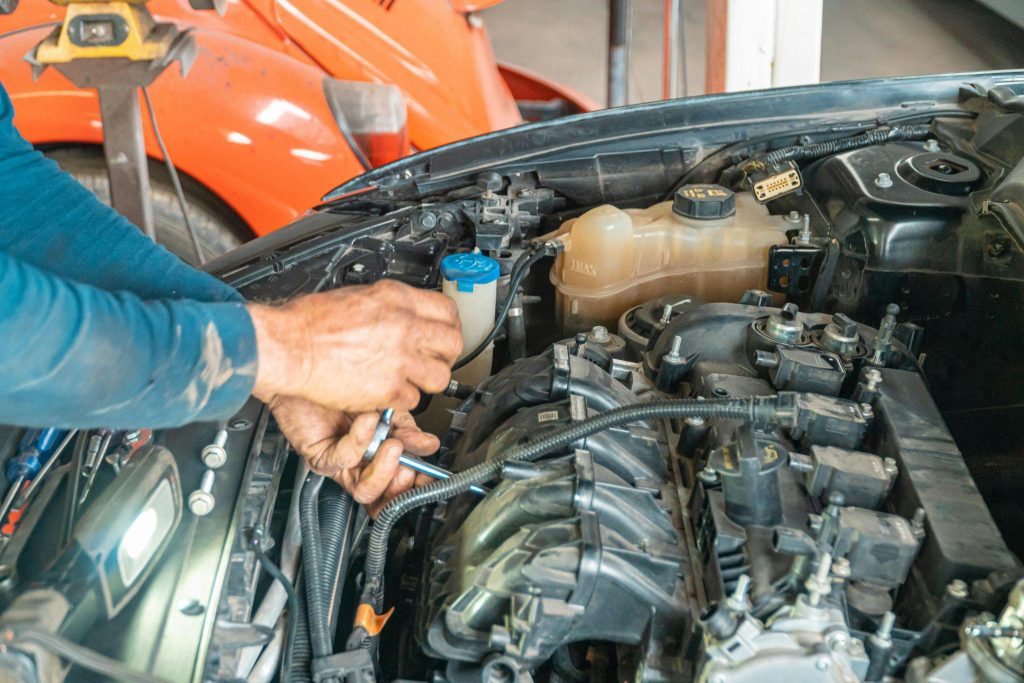
Be brutally honest with yourself. What is your skill level? A direct factory replacement is a complex but straightforward job. A custom swap into a different vehicle is a massive project. It requires fabrication skills, electrical knowledge, and endless patience.
Do you have a fully equipped garage and months of free weekends? Or do you need a professional to do the job in two weeks? Your own capabilities are a huge factor. Overestimating them leads to a half-finished project sitting in your driveway for years.
In Conclusion
Choosing a replacement power system is a major project. It is part financial decision, part engineering puzzle, and part personal journey. Do not rush. Research thoroughly. Plan for every cost.
Choose a path that aligns with your skills, your budget, and your ultimate goal for the vehicle. The right choice will give your car a new lease on life. You will enjoy the drive for many more miles to come.