
Whilst visuals are often well managed (style guides, brand guardians, committee approval), audio rarely is. There’s a weird imbalance in how brands manage this, when audio can be used to reach consumers in places you couldn’t with visuals. It can also be faster to process, create embarrassing memories, and be heard in every aspect of your brand. Whether a brand uses audio to increase conversions, it will start with understanding its consumers’ preferences. This is done through psychographics.
6 Ways to Understand Consumer Behaviour and Audio Preferences
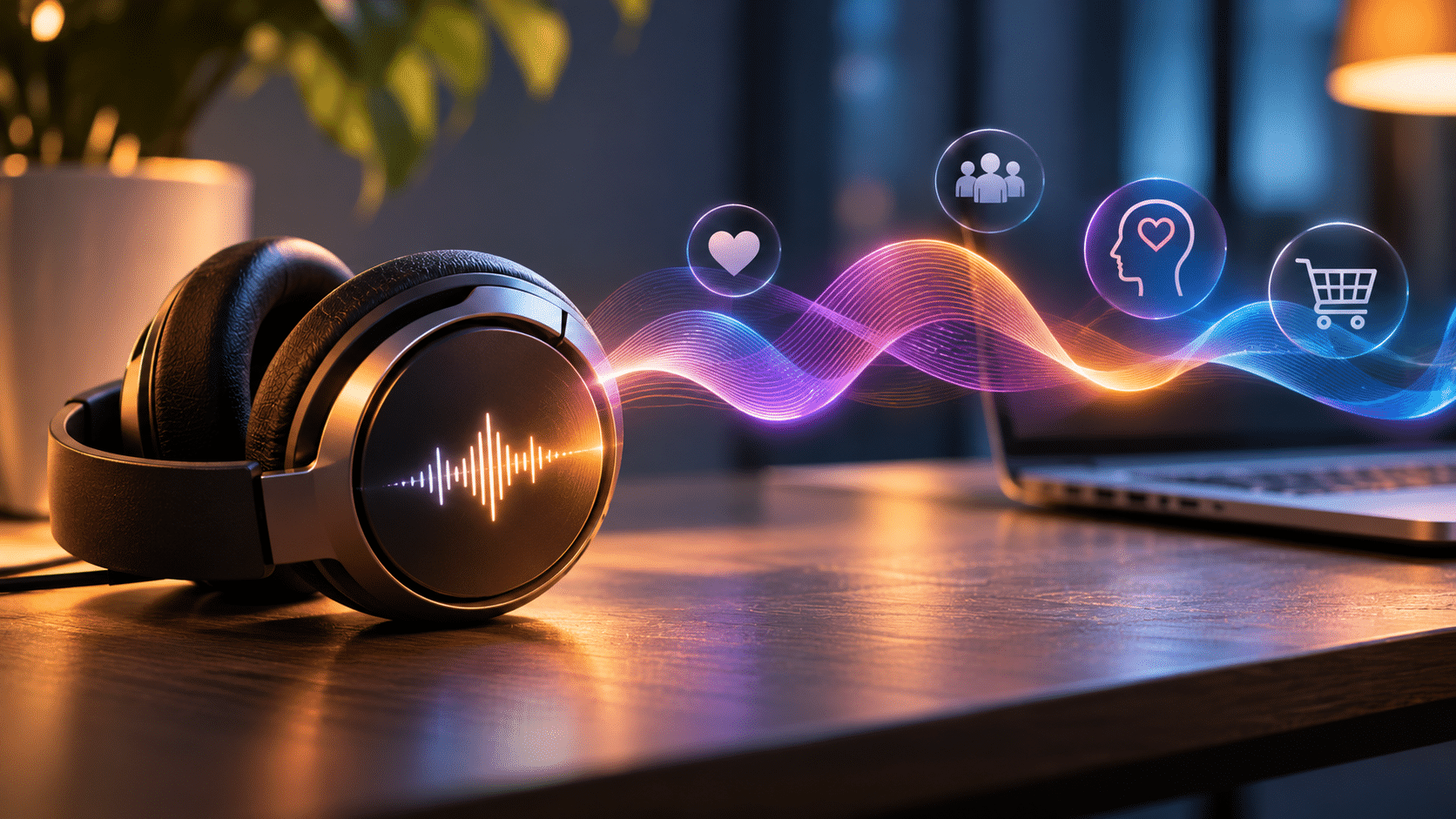
Why Demographics Don’t Matter
Two consumers with the same demographical data may have very different reactions to audio. One may find uplifting electronic music energizing in your store, whilst the other may find it stressful and leave more quickly, therefore buying less. The reason demographics don’t matter is simply that they tell you what the person is, whereas psychographics tell you how they experience the world. They give insight into demographic values, motivations, fears, aesthetic tastes, etc.
Audio preference falls under this. Music taste can correlate to personality and identity traits that income brackets can’t. Some people listen to music to feel energized, others to relax, others to feel a sense of community, and others to concentrate. All the same genre but all serving a different purpose. Until you know what your audience wants from your audio, everything will be a gamble.
Understanding Psychographics
To understand what your audience prefers, you need to do listening tests and understand their behaviors. You won’t get accurate data from surveys because people often lie about what they like. However, if you look at what they actually do, you’ll get more accurate data. What audio makes them stay longer? What audio in your ads are they skipping? What notification sounds make them frustrated?
Then move onto more psychological aspects. What sound preferences do they have around their identity, and what emotions do specific sounds create for them? Age can play a role; however, this is more about their culture. This is where generational research comes in. Cohorts aren’t defined by their birth year but what media they were exposed to growing up. The audio they listened to during their teen years will impact their emotions decades later. Your brand will be talking to multiple generations with different childhoods.
Creating An Audio Identity
Once you know what your audience likes, you can create an audio identity for your brand. This could be your voice, the tone of your brand, musical choices, tempo, and energy throughout your experience. Sound design, the little sounds in your brand, notification sounds, confirmation sounds, and app interactions. And environment, the tempo and volume in physical environments.
Your psychographic data will help you decide what audio to use. If your audience is looking for relaxing control, then high-tempo music in your ads will be working against you. If they are looking for energy, then a sparse background audio will come across as sterile or, even worse, pretentious. Whilst these choices may not be wrong in general, they are wrong for your specific audience.
Evidence of Conversions
Studies have shown in retail that the tempo of your audio can impact how quickly people shop and how much they spend. Having an identifiable audio will increase ad recall. Having consistent audio throughout your brand will create the same familiarity you get from visuals, but it will reach people when their eyes are busy. Well-designed interaction sounds in your apps will reduce friction. A satisfying confirmation sound will make people feel their checkout is complete.
The key thing across all of this is that your audio is creating emotions at decision-making points. By mapping out your audience’s audio preferences, you’re making decisions based on what you want the audio to do. Everyone else is just playing dice.
Don’t Be Boring
Whilst using a psychographic approach to create an audio identity for your brand, you should ensure you have variety. The same audience will want different levels of energy in their audio at different times of day. When they’re browsing and when they’re waiting. In your ad and in your store. A mature audio system will have a core identity that is identifiable wherever they are, but will have variations based on the situation. This will create familiarity but will show you respect their current state.
Getting this right across all channels is exactly what strategy specialists are there for. More and more audio work is coming under brand strategy services because the audio element of your brand is so impactful and emotional.
Keep Measuring
Psychographics is an ongoing process. Taste changes, culture changes, and platform changes how people interact with audio. A generation will change the audio they were exposed to growing up. Brands who want to win the long game will re-measure, keep an eye on their behaviors and make changes to their audio like they would any other creative asset.
End Point
Audio can reach your buyers in places you couldn’t with visuals. By mapping out your audience’s audio preferences using psychographics (motivations, identity and emotions) you’re making decisions based on what they really want. This isn’t just about choosing better music, it’s creating a clear emotional channel that will create familiarity across all touchpoints. Everyone can hear your brand but only some have considered what it means.