
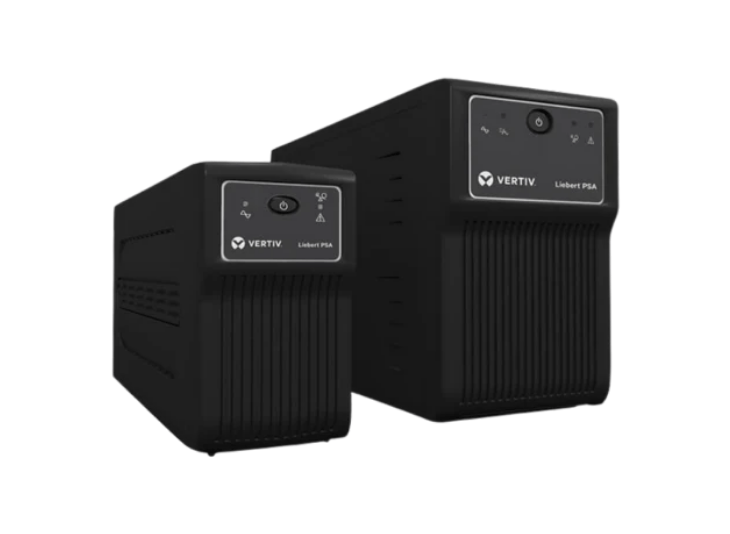
When your systems depend on constant uptime, UPS power becomes the difference between a brief flicker and a full operational disruption. Even a short outage can interrupt cloud access, shut down payment tools, or corrupt active workloads. Most businesses only really think about backup when something blinks off unexpectedly and the room goes quiet for a second.
How Does a UPS System Protect Your Business in Seconds?
A UPS steps in before your equipment has time to crash, and that speed is the whole point. Picture a late afternoon in a small office, someone pushing a deployment, someone else on a client call, and then the lights dip. Without that instant bridge, systems do not politely wait. They drop.
In some workplaces, solar battery storage is already part of the backup picture, sitting alongside other infrastructure choices. The uninterruptible system plays a more immediate role, stepping in at the exact second power wavers, before equipment has time to drop or restart.
Why Are UPS Systems Now Essential for Australian Operations?
Australian businesses run on tools that assume constant connection. A payment terminal freezing for a minute feels minor until it happens during a busy hour. A server reboot sounds simple until it comes with lost work and an awkward scramble.
Energy context matters too. In places influenced by the electricity supply and market of South Australia, businesses often plan for continuity a bit more carefully, because the wider grid and regulatory environment can influence how stable supply feels over time. It is a small detail, but it can affect how you think about protecting critical systems.
What UPS Configuration Matches Your Actual Workload?
The right configuration starts with what would actually hurt if it stopped. Some teams only need their network to stay steady long enough to avoid disruption. Other environments rely on cleaner conversion because sensitive infrastructure does not like rough power.
And capacity can feel tricky in real life. Loads change. A business adds equipment, a server rack grows, and the original plan starts to feel slightly out of date. Matching protection to what is running today is usually where the clarity comes from.
What Should You Check Before Trusting a UPS in a Critical Moment?
Battery health is the quiet factor people forget, because it degrades in the background. The unit can look fine for years, then a test run feels shorter than expected. That is usually when the questions start.
Monitoring makes a difference because problems are not always visible. Surge protection matters too, especially for gear that reacts badly to spikes. Maintenance is not glamorous, but it is the reason backup stays real instead of becoming a box everyone assumes will work.
Where Do Businesses Commonly Get UPS Planning Wrong?
One mistake is buying protection once, then never revisiting it while the operation grows. The workload changes, expectations rise, and suddenly the backup that made sense early on feels thin.
Another issue shows up around the environment itself. Heat, airflow, and the space where equipment sits can shape reliability more than people expect. Backup planning works best when it is treated as part of the everyday setup, not a one-off purchase.
For help selecting and supporting the right critical backup system, contact UPS Solutions.