
Key Takeaways
- Driverless ride-hailing can add another travel option in cities where it is approved and available.
- It may help people who do not drive, but vehicle design, pricing, and service areas will determine who benefits.
- Safe curb access, responsive support, and transparent incident reporting are essential to public trust.
- Cities will need to manage pickup zones, emergency access, traffic, and connections to public transit.
- Autonomous rides are best viewed as one part of a broader transportation system, not a replacement for walking, cycling, buses, or trains.
Driverless ride-hailing is moving from a limited experiment toward a visible transportation option in selected U.S. cities. Companies such as Zoox are developing purpose-built autonomous vehicles, while other operators are expanding app-based services in defined areas. For riders, the important question is not whether the technology looks futuristic. It is whether a ride is safe, affordable, easy to find, and useful on an ordinary Tuesday.
Why Driverless Ride-Hailing Is Gaining Attention
Driverless ride-hailing means requesting a trip in a self-driving vehicle within an approved operating area. It is different from driver-assistance features in personal cars, where a licensed human remains responsible for supervising the drive. Dense urban areas offer frequent trips, detailed digital maps, and varied street conditions, making them useful places to test how the service works in real life. Still, availability remains city-by-city, shaped by local conditions, state rules, fleet capacity, and public acceptance.
How The Service Works For Riders
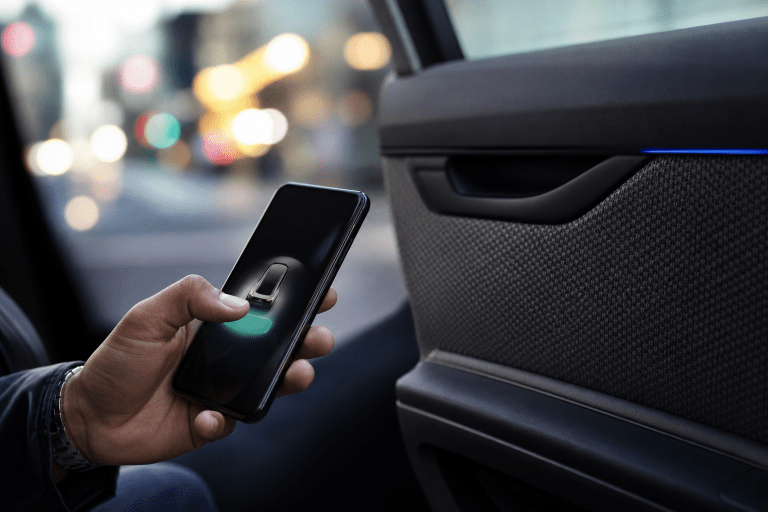
A typical trip begins in an app. The rider selects a destination, reviews the pickup location, identifies the arriving vehicle, and meets it at a safe curbside spot. After entering, the rider may use an in-car screen or the app to begin the trip, adjust simple settings, or contact customer support. At the destination, the rider exits only after checking for cyclists, traffic, pets, bags, and mobility equipment.
Changes To Daily Travel
These services may be most useful for short trips to work, grocery stores, medical appointments, airports, and evening events. Autonomous ride-hailing expansion into additional U.S. cities shows why more travelers are beginning to consider a driverless option alongside taxis and conventional rideshare.
A commuter might take a train downtown, then book a short autonomous ride for the final mile to an office or appointment. The cabin could offer quiet time to read, make a call, or prepare for the day. Yet convenience may come with tradeoffs. A bus or train can move many people at once, a bicycle can be faster for short urban trips, and a human driver may be better suited to unusual pickups or complicated curbside situations.
Safety, Human Oversight, And Public Trust
Trust depends on more than sensors and software. Vehicles must respond to pedestrians, cyclists, lane markings, parked cars, roadwork, emergency vehicles, darkness, rain, and unexpected changes in traffic. Riders also need clear instructions, an easy way to reach support, and understandable options if a trip stops or takes an unfamiliar route.
Clear Accountability Matters
Remote support can help with selected issues, such as a blocked route or a rider question, but it does not remove the need for reliable on-road driving behavior. Operators, cities, and regulators should use consistent reporting practices for crashes, service interruptions, and interactions with first responders. Safety comparisons are most meaningful when they examine comparable driving environments and sufficient miles traveled to avoid concluding isolated incidents.
Access For Older Adults And People With Disabilities
Independent transportation can be especially valuable for older adults, blind or low-vision riders, and people who cannot drive. That promise requires more than adding a feature after launch. Accessible service should include practical pickup locations, room for mobility devices where available, readable screens, audio prompts, straightforward payment methods, and support that works for riders with different communication needs. Testing with real riders is necessary because a technically available vehicle may still be difficult to use.
What City Planners May Need To Change
City planners are confronting new transportation challenges as robotaxi fleets use the same curbs, lanes, and intersections as everyone else. Busy downtown blocks, hotels, airports, stadiums, and transit stations may need designated loading areas to prevent vehicles from stopping unpredictably in travel lanes or bike lanes.
- Set clear pickup and drop-off rules for crowded places.
- Coordinate operations with buses, trains, sidewalks, cycling routes, and paratransit.
- Establish procedures for blocked lanes, severe weather, collisions, and emergency scenes.
- Monitor whether empty vehicles are circling or adding congestion.
Energy Use, Traffic, And Environmental Questions
Shared autonomous trips could reduce some personal-car travel or help households avoid owning another vehicle. However, convenient rides could also encourage more vehicle miles traveled, including empty trips between trips. Environmental results will depend on fleet utilization, vehicle efficiency, charging practices, electricity sources, battery production, and whether autonomous rides complement public transit rather than compete with it. The best measure is real-world performance across an entire fleet, not promotional claims about a single vehicle.
Effects On Drivers And Local Jobs
Driverless services may change demand for taxi and rideshare driving, while creating or expanding work in vehicle cleaning, maintenance, charging, fleet operations, mapping, customer support, and safety response. The effects will differ by location and pace of deployment. Cities and employers can reduce disruption by supporting training, clear job pathways, and fair policies for workers affected by changes in transportation technology.
How Riders Can Use The Service Wisely
- Confirm the pickup point before leaving a building or venue.
- Use a seat belt and follow the vehicle’s instructions.
- Keep belongings, pets, and mobility equipment in accordance with the service rules.
- Stay aware of the route and contact support if something seems wrong.
- Allow extra time when using a newly launched service.
- Choose walking, cycling, transit, or a human-driven ride when it better fits the trip.
What Comes Next
Driverless ride-hailing is likely to develop unevenly rather than arrive everywhere at once. Its long-term value will depend on safe operations, fair access, transparent data, useful transit connections, and city rules that protect people who use the streets in every way. The strongest urban transportation networks will treat autonomous rides as another tool, not the answer to every travel need.