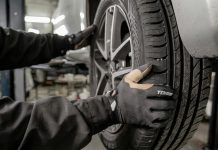

BMW suspension is tuned for sharp handling, but the rubber bushings, ball joints, and dampers that make it feel precise also wear with mileage. Most problems start small, with a clunk or slight shimmy, before turning into tire wear and loose steering.
Many BMW models share similar suspension designs, so the same parts often fail across the 3 Series, 5 Series, and X models. Weight, large wheels, and run-flat tires add extra load to these components. Below are the common BMW suspension problems owners run into most, along with the signs that point to each one.
Front Suspension Wear
The front-end handles steering and braking forces, so most BMW suspension repairs start here.
Control Arm Bushings
Many BMWs use a large fluid-filled bushing at the rear of each front lower control arm, often called the thrust arm bushing. Once it cracks or leaks, the steering wheel may shimmy when braking from highway speed. Vague steering and a clunk over bumps are also common.
Ball Joints
On many BMWs, the ball joint is built into the control arm, so the whole arm is replaced. A loose joint causes clunking, highway wandering, and uneven tire edge wear.
Strut Mounts
Strut mounts sit atop the front struts and contain a rubber cushion and bearing. Worn mounts cause a knock-over bump or a creak when turning while parking.
Leaking Shocks and Struts
Dampers wear so gradually that many drivers miss the change. Look for these clues:
- Oily residue on the shock or strut body
- Bouncing that continues after a dip
- Nose diving under hard braking
- Cupped wear across the tire tread
Worn dampers also lengthen stopping distances and make the car less stable on wet roads.
Air Suspension Leaks on Larger Models
Many X5, 7 Series, and 5 Series Touring models use rear air springs instead of coil springs. The rubber in these springs dries and cracks over time, letting air escape.
The first sign is often one corner sitting low after parking overnight. As the leak grows, the compressor runs more often. Eventually, the overworked compressor can fail too.
A dashboard warning then appears once the system cannot hold ride height.
Rattles From Sway Bar End Links
End links connect the sway bar to the suspension, and their small ball joints wear quickly. The result is a light rattle over rough pavement at low speed, though the fix is simple.
Rear Subframe and Trailing Arm Bushings
Rear bushings handle acceleration forces, and worn ones show up in a few ways:
- A clunk when pulling away
- An unsettled rear end in corners
- Cracked subframe mounts, a well-known E46 3 Series issue
Quality Parts vs. Cheap Replacements
Many BMW suspension problems return quickly when low-cost parts are used. Lemförder and Sachs supply many original BMW parts, matching factory fit and durability. Replacing parts in left and right pairs keeps handling balanced.
Spotting Suspension Wear Early
A quick look during routine service can catch worn parts before they damage tires or nearby components.
- Inspect shocks and struts for oil residue.
- Check tire tread for uneven or cupped wear.
- Test for shimmy under braking and clunks over bumps.
- Inspect rubber bushings for cracks or leaking fluid.
- Service the alignment after any steering or suspension repair.
The Main Takeaways
- Front thrust arm bushings are among the most common wear items.
- Steering wheel shimmy under braking often points to worn bushings.
- Leaking shocks reduce stability and cause uneven tire wear.
- Air suspension models can sag when air springs crack.
- Rattles over rough roads often come from sway bar end links.
- An alignment should follow most front suspension repairs.