
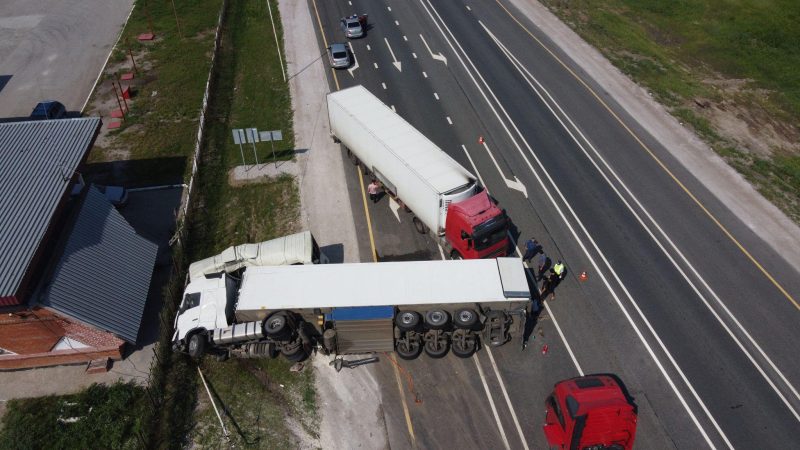
When it comes to truck accidents, not all trucks are the same. In Atlanta, the type of truck involved can make a big difference in the severity of the accident and how the claim is handled. 18-wheelers are large, long trucks, often seen on highways hauling freight across states. They can weigh up to 80,000 pounds and have a very large cargo area. In contrast, box trucks are smaller vehicles, usually used for local deliveries or moving. They weigh significantly less, around 10,000 to 33,000 pounds, and have a box-shaped cargo area. While both types of trucks can cause serious accidents, the way claims are handled differs because of the trucks’ size, weight, and regulations.
If you’ve been involved in a truck accident, understanding the type of truck involved can help you determine how to proceed with your claim. For expert legal guidance, consider speaking to a truck accident attorney in Atlanta who can help you understand your options based on the specific circumstances of your case.
How Size and Weight Affect Accidents
The first thing that stands out between these two types of trucks is their size and weight. 18-wheelers are enormous. Their weight means that if they get into an accident, the damage can be much worse. In fact, these trucks can crush smaller cars with ease, often causing severe injuries or fatalities.
Box trucks, on the other hand, are smaller and lighter. While they can still cause significant damage, the severity is typically lower compared to accidents involving 18-wheelers. The lighter weight of box trucks means that they might not be able to cause the same kind of destruction, but they can still leave you with serious injuries or damage to your property.
Accident Severity: The Big Difference
- 18-Wheelers: Because of their size, they are more likely to cause multi-vehicle accidents. The force of impact in a crash with an 18-wheeler is often much stronger, which means the injuries can be more severe.
- Box Trucks: The damage is usually less extensive. That said, it’s still important to take box truck accidents seriously, as they can result in serious injuries, especially in collisions involving pedestrians or smaller vehicles.
Federal vs. State Regulations: The Key Difference
One of the most significant differences between 18-wheelers and box trucks is the regulations they must follow. 18-wheelers are subject to federal regulations under the Federal Motor Carrier Safety Administration (FMCSA). This includes strict rules about the number of hours a driver can be on the road, the weight of the load, and how often the vehicle needs to be inspected. These regulations are designed to reduce accidents caused by driver fatigue, truck malfunctions, or overloading.
In contrast, box trucks are typically only subject to state laws. While they still need to meet basic safety requirements, they don’t have to comply with the same strict federal regulations as 18-wheelers. This can make a box truck accident harder to prove in some cases because the regulations are less clear and vary from state to state.
How This Affects Your Claim
- 18-Wheelers: If you are involved in an accident with an 18-wheeler, the trucking company is often held to a higher standard because it must follow federal laws. Violating these laws, such as exceeding driving hours or skipping vehicle inspections, can make it easier for you to win your claim.
- Box Trucks: For box trucks, proving liability might be harder since state laws are less clear. The lack of strict federal regulations means you may need more evidence to show the driver or trucking company was at fault.
Insurance and Coverage Differences
When it comes to insurance, 18-wheelers typically have higher coverage limits due to the size of the truck and the value of the goods they carry. This means that the insurance payout after an accident can be much higher than that for a box truck accident.
On the other hand, box trucks usually have smaller insurance coverage because the trucks themselves are less valuable. The claim process might also be quicker since there’s less paperwork involved, but the payout may not be as significant as it would be for an accident involving an 18-wheeler.
Insurance Differences:
- 18-Wheelers: More complex claims, as they often involve multiple parties (the driver, the trucking company, and the insurance company). The process may take longer, but often results in a higher settlement.
- Box Trucks: Simpler claims, usually handled by local insurance companies. The process is quicker but may result in lower compensation.
How Liability Works: A Different Approach for Each Truck
When it comes to liability, 18-wheelers are generally held to stricter standards because they are governed by federal laws. This makes it easier for accident victims to prove that the trucking company or driver is at fault if they’ve violated any regulations.
For box trucks, proving fault can be more complicated since the truck driver might not have violated any laws, and the insurance policy may not cover all the damages. Sometimes, the trucking company isn’t liable because they aren’t as heavily regulated, and the driver might be considered an independent contractor rather than an employee.
Liability Differences:
- 18-Wheelers: Clearer liability due to the violation of federal laws, which makes it easier to win claims.
- Box Trucks: Harder to prove liability, as box trucks have fewer regulations. You might need more evidence to establish fault.
Conclusion
In Atlanta, if you are involved in a truck accident, it’s essential to know whether it involved an 18-wheeler or a box truck. The type of truck can drastically change the severity of the accident, the legal approach, and the insurance process. 18-wheelers tend to cause more severe accidents due to their size and are subject to stricter federal regulations, making it easier to prove liability. Box trucks, while still dangerous, are smaller and come with different challenges in terms of insurance and liability.
If you’ve been in a truck accident in Atlanta, understanding these differences can help you navigate the claim process with a better perspective. Speak to an experienced truck accident attorney in Atlanta to guide you through the complexities of your specific case.