
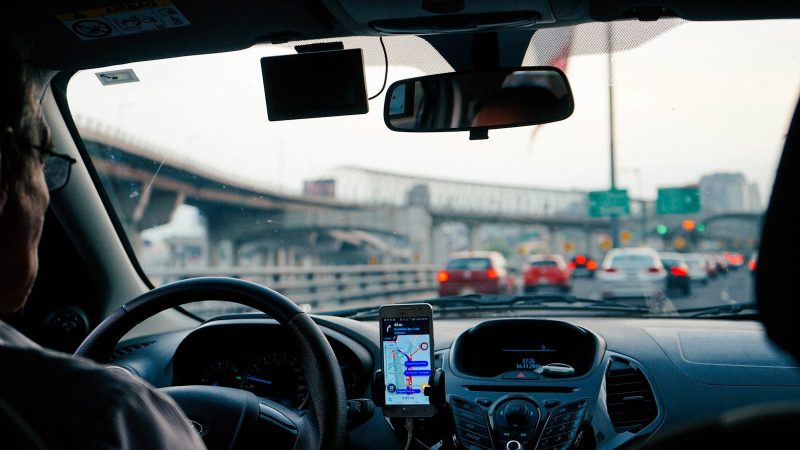
Distracted driving occurs whenever a driver’s attention moves away from safely operating a vehicle. A distraction may last only a few seconds, but that can be enough time to miss a red light, overlook stopped traffic, drift into another lane, or strike a pedestrian.
The danger is not limited to texting. Eating, adjusting navigation, reaching for an object, talking with passengers, grooming, and becoming absorbed in a stressful conversation can all interfere with safe driving. We treat distracted driving as a serious safety threat because a driver who is not fully attentive cannot reliably identify hazards or react in time.
In 2024, distracted driving crashes killed 3,208 people and injured more than 315,000 people in the United States, according to the National Highway Traffic Safety Administration. These figures may understate the problem because distraction can be difficult to confirm after a crash.
The Three Types of Distracted Driving
Distracted driving generally involves visual, manual, or cognitive distraction. Many dangerous activities involve all three.
Visual distraction occurs when a driver looks away from the road. Reading a text, checking a notification, looking at a navigation screen, or turning toward a passenger can prevent the driver from seeing changing traffic conditions.
Manual distraction occurs when a driver removes one or both hands from the steering wheel. Holding a phone, eating, reaching into a bag, or adjusting controls reduces the ability to steer and respond.
Cognitive distraction occurs when the driver’s mind is focused on something other than driving. A person may be looking through the windshield while thinking about a phone conversation, argument, or personal problem. The eyes may face forward, but the brain may fail to process important information.
The Centers for Disease Control and Prevention recognize these three categories and warns that any activity taking attention away from driving increases the risk of a motor vehicle crash.
Why Texting While Driving Is Especially Dangerous
Texting is particularly dangerous because it combines visual, manual, and cognitive distraction. The driver looks at the phone, uses a hand to type or scroll, and mentally focuses on the message.
At 55 miles per hour, a vehicle covers roughly the length of a football field in five seconds. During that time, traffic can stop, a signal can change, a child can enter the roadway, or another vehicle can move into the driver’s lane.
The danger continues after the driver looks up. Attention must shift back to traffic, surrounding vehicles, speed, lane position, and road conditions. That transition can delay recognition and reaction.
How Distraction Reduces Driving Ability
Safe driving requires constant observation, judgment, and control. An attentive driver scans mirrors, watches signals, maintains a safe following distance, and anticipates hazards. A distracted driver may continue moving without recognizing that conditions have changed.
Distraction can cause delayed braking, missed traffic signs, poor speed control, unsafe lane movement, and failure to yield. It can also cause overcorrection when the driver finally notices a hazard.
Hands free technology does not eliminate cognitive distraction. A demanding conversation can reduce awareness and slow decision making even when both hands remain on the wheel.
Common Causes of Distracted Driving Crashes
Cellphones are a major source of distraction, but they are not the only cause. Common distractions include texting, phone calls, social media, navigation systems, food, drinks, vehicle controls, grooming, children, pets, roadside events, and emotional conversations.
Built in touchscreens can also require drivers to look away from traffic. A feature designed for convenience becomes dangerous when it demands several steps or extended visual attention.
The CDC advises drivers not to multitask behind the wheel. Navigation, music selection, phone calls, messages, meals, and other tasks should be handled before the trip begins or after the vehicle is safely parked.
Crashes Commonly Caused by Distracted Drivers
Distracted driving frequently causes rear end collisions because the driver fails to notice slowing or stopped traffic. These crashes can cause neck injuries, back injuries, concussions, and fractures.
Lane departure crashes occur when a distracted driver drifts into another lane, onto a shoulder, or across a center line. At highway speeds, these events can produce sideswipe collisions, head on crashes, and rollovers.
Intersection accidents may occur when a driver misses a red light, stop sign, turning vehicle, cyclist, or pedestrian. Side impact crashes can be especially severe because occupants have less protection between the impact and passenger compartment.
Distraction can also contribute to highway pileups. One delayed reaction may trigger several impacts in congested traffic.
Distracted Driving Endangers Everyone on the Road
The distracted driver is not the only person at risk. Passengers, occupants of other vehicles, motorcyclists, bicyclists, pedestrians, road workers, and emergency responders may suffer the consequences.
Pedestrians and cyclists are particularly vulnerable because they have little physical protection. A distracted driver may fail to check a crosswalk, notice a bicycle lane, or see someone walking through a parking lot.
Motorcyclists may also be overlooked before a driver changes lanes or turns left. A brief glance at a phone can prevent the driver from detecting a smaller vehicle.
Distracted Driving in Texas
Distracted driving remains a major problem on Texas roads. The Texas Department of Transportation reports that distracted driving contributed to 86,384 crashes in 2025. Those crashes caused 299 deaths and more than 2,400 serious injuries.
Texting while driving is illegal throughout Texas. Certain drivers face additional restrictions, and some communities may limit cellphone use more broadly. Legal restrictions do not replace personal responsibility. Drivers must decide that messages, calls, food, and other tasks can wait.
How Drivers Can Prevent Distracted Driving
Most distracted driving crashes are preventable. We recommend preparing before the vehicle begins moving.
Set the navigation system, adjust mirrors, select music, secure loose items, and complete calls or messages before driving. Place the phone out of reach or activate a driving mode that blocks notifications.
Pull into a safe parking area when a task requires attention. Passengers can help by managing navigation, responding to messages, and speaking up when the driver becomes distracted.
Parents should model attentive driving and establish clear rules for young drivers. Employers should prohibit texting and handheld phone use while employees operate vehicles for work.
Evidence of Distracted Driving After a Crash
Proving distraction may require more than a driver’s admission. Evidence may include cellphone records, text timestamps, application activity, dashboard video, surveillance footage, vehicle data, witness statements, and police observations.
Evidence can disappear quickly. Video may be overwritten, phones may be replaced, and vehicles may be repaired or destroyed. Prompt investigation and preservation requests can be critical when distraction is suspected.
A distracted driving crash is rarely unavoidable. It is often the result of a preventable decision to divide attention while controlling a moving vehicle. Full attention behind the wheel protects the driver and everyone sharing the road.