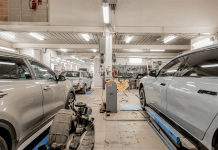

Sending a car to a garage after damage may seem straightforward, but the policy wording can shape every stage of the repair. It affects where the vehicle can be taken, when work may begin, how parts are assessed, and which expenses remain payable by the owner.
Reading these terms before approving repairs helps prevent confusion between the insurer, surveyor, and garage. A careful policy check also makes the claim process easier to follow and keeps expectations practical from the beginning.
Cashless Garage Network Eligibility
Cashless repairs are usually available only through garages listed in the insurer’s approved network. Under car insurance, this arrangement allows the insurer to settle eligible repair expenses directly with the garage, while the policyholder pays applicable deductions.
- Confirm that the garage is currently empanelled.
- Check whether cashless service applies to the required repair.
- Ask how non-payable items will be collected.
- Keep the claim reference ready before vehicle admission.
Network status should always be verified before any actual repair work begins.
Garage Selection Conditions in the Policy
Some policies allow the owner to choose any garage, while others set conditions for cashless settlement, inspection, or reimbursement. A comprehensive insurance policy may cover repairs at a non-network garage, but the claim process can require the owner to pay first and seek reimbursement later.
- Read the garage selection clause carefully.
- Check whether prior approval is needed.
- Understand the reimbursement procedure.
- Confirm whether labour rates are assessed separately.
The selected garage should closely match the policy’s stated claim-handling process.
Repair Authorisation Requirements
Repair work should not normally begin until the insurer or appointed surveyor has inspected the vehicle and approved the estimate. Starting repairs too early may make damage assessment difficult and can create avoidable questions during claim review.
- Inform the insurer promptly after the incident.
- Wait for inspection instructions.
- Share the garage estimate for assessment.
- Obtain approval for additional damage found later.
- Keep written communication wherever possible.
Proper written authorisation keeps the repair scope aligned with the accepted claim assessment decision.
Parts Replacement Vs Repair Policy
The policy and survey assessment may determine whether a damaged part should be repaired or replaced. Replacement is generally considered when repair is unsuitable, unsafe, or not commercially reasonable, subject to policy terms and technical evaluation.
- Ask which parts have been approved for replacement.
- Check whether equivalent parts are proposed.
- Review depreciation where applicable.
- Confirm approval before ordering expensive components.
- Keep damaged parts available for inspection.
This particularly important distinction can directly affect the final repair invoice and claim amount.
Approved Repair Cost Limits
Insurers assess repair estimates against policy coverage, survey findings, reasonable labour charges, and approved part prices. A garage estimate is not automatically the final admissible claim amount, so the owner should understand which costs have been accepted before work proceeds.
- Request the approved repair estimate.
- Ask about differences between estimated and sanctioned costs.
- Confirm labour rate limits.
- Check approval for supplementary repairs.
- Discuss non-payable items with the garage.
Clear cost approval helps avoid unexpected final payment differences at vehicle delivery.
Consumables Coverage Terms
Consumables include small materials used during repairs, such as oils, coolants, clips, lubricants, washers, and cleaning materials. Standard own-damage cover may treat these items differently, while an eligible add-on may cover them subject to the policy wording.
- Check whether the consumables cover is included.
- Review the listed eligible items.
- Confirm whether the claim type qualifies.
- Ask the garage to itemise consumable charges.
- Note any applicable deduction.
These modest items can collectively influence the final amount payable directly by the vehicle owner.
Deductible and Co-Payment Clauses
Every claim may include a compulsory deductible, while a voluntary deductible or co-payment may also apply if selected under the policy. These clauses define the portion of an admissible repair bill that the policyholder must bear.
- Check the compulsory deductible stated in the schedule.
- Review any voluntary deductible chosen earlier.
- Confirm whether a co-payment applies.
- Ask how deductions will appear on the invoice.
- Keep funds available for payable portions.
Understanding these clauses supports more accurate overall repair budgeting and payment decisions.
Claim Documentation Required by the Policy
A garage claim moves more smoothly when the required documents are complete and consistent. The policy may ask for the claim form, registration certificate, driving licence, policy details, repair estimate, incident information, and other supporting records, depending on the case.
- Carry clear copies of essential vehicle documents.
- Provide accurate incident details.
- Sign forms only after checking entries.
- Submit additional documents promptly.
- Retain copies of every record shared.
Documentation requirements always remain subject to policy terms and individual claim review circumstances.
Conclusion
Policy terms matter long before the repaired car is ready for collection. They guide garage choice, inspection, authorisation, parts decisions, approved costs, consumables, deductions, and documentation. Checking these points before handing over the vehicle creates better coordination and reduces last-minute misunderstandings. The policy schedule, wording, and claim instructions should be read together because conditions can vary between plans. When anything appears unclear, seek confirmation from the insurer before repairs begin, and keep all approvals and estimates recorded throughout the process.