
Omnichannel retail has transitioned from a competitive advantage to a fundamental consumer expectation. Modern shoppers demand the flexibility to browse digital catalogs, execute purchases via mobile applications and receive merchandise directly at their doorsteps within hours.
Fulfilling these complex demands requires a flawless, highly orchestrated supply chain. The most crucial component of this logistical framework is the last mile carrier. Functioning as the vital link between the retailer and the consumer, this partner executes the most challenging, unpredictable and expensive segment of the entire fulfillment journey.
For a modern enterprise to thrive in a unified commerce environment, strategically optimizing this logistics network is imperative for driving growth and brand loyalty. Let’s examine why these logistical relationships matter and learn how to maximize the capabilities of a last mile carrier.
10 Ways the Last Mile Carrier Powers Omnichannel Fulfillment
At its core, a last mile carrier is the logistics provider responsible for bridging the final gap from a distribution hub, micro-fulfillment center or local storefront directly to the end consumer.
Because omnichannel retail thrives entirely on operational flexibility, relying on a single, traditional delivery method is rarely enough. To make ambitious workflows a reality, retailers must build a dynamic delivery network that addresses several operational realities:
1. Shifting from Pallets to Parcels in Complex Environments
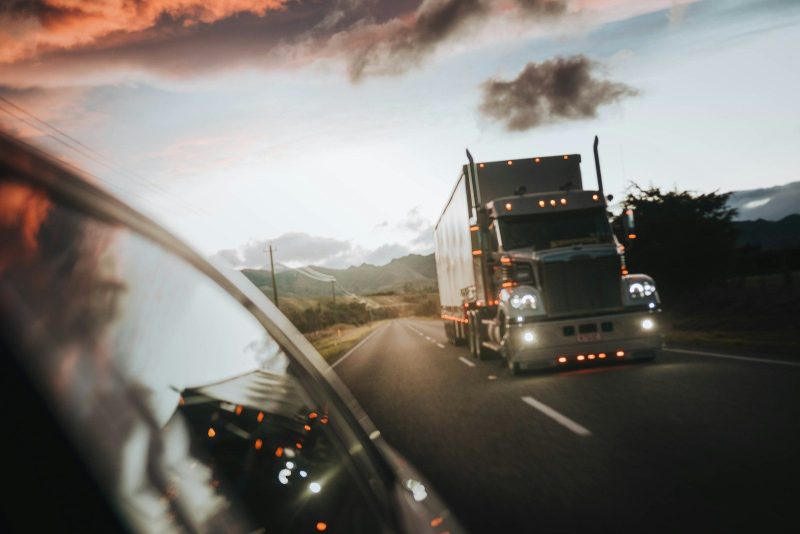
Unlike long-haul freight providers that move massive pallets across predictable open highways, a last mile carrier handles the highly localized transport of individual parcels.
This operational shift requires drivers to constantly maneuver through chaotic urban traffic, unpredictable suburban neighborhoods and tricky apartment complexes with restricted access. Mastering this localized, parcel-by-parcel transit is essential for ensuring accurate and timely drop-offs.
2. Diversifying the Partner Ecosystem
Relying on a single, traditional delivery method is rarely sufficient to cover all required Service Level Agreements (SLAs) across diverse regions. Therefore, successful global brands orchestrate a complex mix of regional couriers, crowdsourced drivers and specialized delivery teams.
This diversified approach ensures comprehensive coverage and allows retailers to adapt instantly to fluctuating order volumes or sudden geographic expansions.
3. Synchronizing Centralized Fulfillment
An effective omnichannel strategy requires every logistics partner to operate in perfect synchronization with the retailer’s centralized inventory management system. The moment a shopper completes a purchase, the fulfillment engine must instantly assign the most efficient last mile carrier to retrieve the item.
This synchronized data exchange empowers logistics personnel to streamline routes and fulfill orders with maximum operational efficiency.
4. Controlling High Operational Costs
The final leg of delivery is notoriously the most expensive and capital-intensive aspect of the entire supply chain. To protect profit margins, a strategic logistics provider actively mitigates these steep expenses by seamlessly integrating with hyper-local micro-fulfillment centers.
This proximity drastically reduces the total distance traveled from the inventory source directly to the customer’s front door.
5. Driving Sustainable Delivery Practices
As environmental concerns grow among modern consumers, retailers face increasing pressure to significantly reduce their corporate carbon footprint. A forward-thinking last mile carrier actively supports these green delivery windows by deploying electric fleets and utilizing zero-emission cargo bikes in dense urban areas.
Furthermore, they optimize daily routes using advanced route optimization software to minimize fuel consumption and eliminate empty miles.
6. Protecting Brand Reputation and Customer Trust
With most digital purchases, the delivery driver is frequently the only physical human interaction a customer has with a brand. If a last mile carrier is consistently late, damages the package during transit or acts unprofessionally at the door, the customer inherently blames the retailer.
Therefore, these partners act as direct brand ambassadors, protecting the brand’s reputation by providing a courteous, on-time and perfectly transparent delivery experience.
7. Enabling Unprecedented Speed and Agility
Modern consumers expect ultra-fast fulfillment options to be standard. To meet these aggressive timelines, a highly capable partner utilizes advanced routing software to bypass heavy traffic, adapt to weather delays and optimize stop density.
This technological edge allows retailers to promise next-day or even same-day delivery windows confidently.
8. Managing the Complexities of Reverse Logistics
Omnichannel retail naturally leads to significantly higher product return rates. An integrated delivery provider streamlines this difficult reverse logistics process by picking up returns directly from customers’ homes and swiftly moving the inventory back into the supply chain.
As a result, items are prepared for immediate inspection and resale, effectively protecting the retailer’s bottom line.
9. Providing Real-time Visibility and Communication
Today’s buyers demand to know exactly where their order is at any given moment. A modern logistics provider facilitates this by supplying live tracking updates, automated SMS notifications and precise estimated times of arrival. Seamlessly transmitting this data back to the retailer drastically reduces customer support inquiries.
10. Executing Specialized White-glove Delivery Services
For high-value or bulky items like furniture and appliances, a standard porch drop-off is insufficient. A specialized last mile carrier steps in to handle in-home delivery, room-of-choice placement, product assembly and packaging removal, elevating the overall shopping experience.
How to Strategically Manage Your Last Mile Carrier Partnerships?
Simply handing off packages is no longer an adequate strategy. Instead, retailers must actively manage their partnerships to achieve the highest possible return on investment. Follow these key steps to utilize your critical logistics network effectively:
1. Integrate Systems for Seamless Data Flow
To truly optimize operations, you must integrate your last mile carrier directly into your Warehouse Management System (WMS) and Order Management System (OMS). This API-driven connection allows for automated dispatching and ensures everyone has real-time inventory visibility.
2. Implement Data-driven Route Optimization
Do not rely on manual planning. Utilize AI and machine learning to empower the last mile carrier to map out the most cost-effective daily routes. This software analyzes traffic patterns, delivery windows and vehicle capacity to reduce empty miles and fuel consumption.
3. Utilize Proactive Exception Management
Things will inevitably go wrong on the road. The best way to use a delivery provider is to mandate live GPS tracking. This enables dispatchers to spot delays instantly, reroute drivers dynamically and send automated ETA updates to customers before they even have to ask.
4. Digitize the Proof-of-Delivery (ePoD)
Move away from paper manifests. Require your fleet to use mobile applications that capture electronic signatures, photos and barcode scans at the door, securing the chain of custody and streamlining potential return processes.
5. Establish Strict Performance Analytics (KPIs)
You cannot manage what you do not measure. Organizations should perform regular assessments of their last mile carrier through the use of specific performance benchmarks.
This process includes monitoring On-time In-full (OTIF) rates, delivery costs and the First Attempt Delivery Rate (FADR) to gain a comprehensive understanding of operational performance. Having actionable data allows you to identify operational bottlenecks and optimize future contract negotiations.
6. Enable Dynamic Delivery Scheduling
Modern consumers want control over when their items arrive. Use your logistics network to offer flexible options like specific time-slot selections, same-day upgrades, or weekend deliveries. A versatile delivery partner can accommodate these specific preferences, drastically reducing missed deliveries and boosting customer satisfaction.
Securing the Future of Retail Operations with Your Chosen Last Mile Carrier
As consumer expectations continue to evolve rapidly, the inherent complexities of fulfillment will only increase. Retailers can no longer afford to view final-stage delivery as a simple afterthought or a place to cut operational corners.
It is a highly critical component of the overall shopping journey that directly impacts long-term profitability. By building strong, technologically integrated relationships with every delivery provider, supported by technology partners such as FarEye, retailers can build a truly resilient omnichannel strategy.
This strategic alignment ensures that no matter how or where a customer chooses to shop, the final delivery is always exceptionally fast, fully transparent and completely reliable. Ultimately, investing in these logistics partnerships is the most effective way to guarantee sustainable growth in the modern retail sector.