
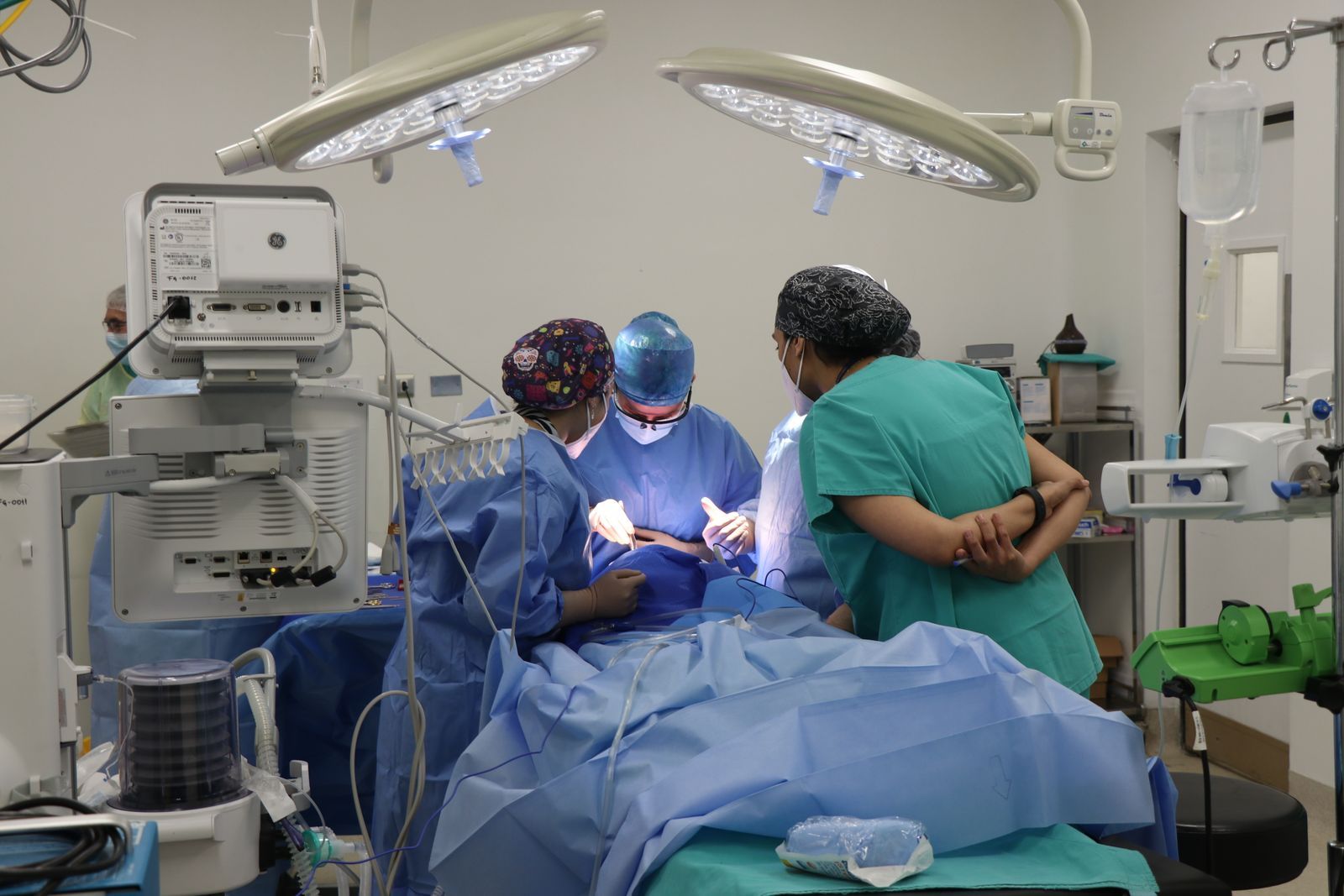
You did the homework. You checked that the hospital was in your insurance network. You checked that your surgeon was too. The procedure went fine. Then, a few weeks later, a separate bill arrives from someone you never met, marked out of network, for an amount that makes you sit down.
This is one of the most common and most confusing experiences in American health care, and it happens for a structural reason that is worth understanding before it happens to you.
One visit, many billers
When you have surgery at a hospital, you are not dealing with one business. The hospital bills for the facility: the room, the equipment, the nursing staff, the supplies. But many of the clinicians involved bill on their own. The anesthesiologist, the radiologist who read your imaging, the pathologist who looked at a tissue sample, the assistant surgeon, sometimes even the lab that processed your blood work. Each of them may be a separate practice with its own contracts, and some of those contracts may not include your insurer.
So the facility can be in network while one or more of the people working inside it are not. From the patient’s side, it felt like one event. On paper, it was a handful of separate transactions.
What the law now covers
Federal protections under the No Surprises Act, which took effect in 2022, changed a lot of this. In many situations, including emergency care and care from certain out-of-network clinicians at an in-network facility, patients are protected from being billed more than their in-network cost sharing. If you receive a bill that looks like a surprise out-of-network charge for one of these situations, you may not owe the difference being demanded.
But the protections have edges. They depend on the type of service, the setting, whether you signed a consent form waiving protections in advance, and how the provider and insurer handled the claim. A lot of people receive bills that should have been processed differently and pay them anyway, because they do not know which rules apply, or because the paperwork is intimidating.
Collect every statement first
The most useful thing you can do after a surgery is also the least exciting: gather everything. Every statement from the hospital, every statement from every clinician, and every explanation of benefits from your insurer. Line them up by date of service. Match each bill to the corresponding insurance explanation. Look for the provider name on each one and note which ones say out of network.
Do the same for any follow-up care, since a post-surgery visit or a lab draw a week later can generate its own set of statements. Then ask for itemized bills from anyone whose statement is only a summary. A summary tells you what someone thinks you owe. An itemized bill tells you what they are charging for, with codes you can check.
Once everything is in one place, the problems tend to reveal themselves. A clinician billed as out of network for a service that falls under federal protections. A duplicate charge between the facility bill and a professional bill. A service billed that the insurer’s explanation shows as already paid.

Making the calls
With the documents organized, the next step is to contact the billing office of each provider with a specific question. Not “this bill seems high,” but “this charge on this date appears to be for a service at an in-network facility, and I believe my cost sharing should be limited to the in-network amount.” Specific questions get specific answers. General complaints get transferred.
It also helps to call your insurer and ask whether the claim was processed with the correct protections applied. Sometimes the error is on the insurance side, and a reprocessed claim fixes the bill without any dispute with the provider at all.
Keep notes on every call: the date, the name of the person you spoke with, and what they said they would do. Billing disputes often take more than one round, and a record of what was promised is the difference between restarting from scratch and picking up where you left off.
Ask, too, whether an account can be placed on hold while the dispute is open. Many billing offices will pause collection activity for a set period if you tell them you are reviewing the charges and waiting on a corrected claim. That pause keeps a disputed balance from moving to a collector while you are still working out what you actually owe, which spares you a second problem on top of the first.
If the provider will not budge on a charge you believe is covered by federal protections, you can also contact the federal help desk set up for No Surprises Act complaints, or your state insurance regulator. Most disputes never get that far, but knowing the option exists changes the tone of the conversation with a billing office that is inclined to stall.
When it is too much to untangle
For a lot of households, a surgery bill arrives at exactly the moment they have the least energy to deal with paperwork. Recovery takes time. Work does not stop. And the bills keep coming from names nobody recognizes.
That is part of why patient advocacy has become its own line of work. Cerapex reviews the bill the way a professional would: it audits each line, disputes what does not belong, negotiates the remaining balance with the provider or collector, and files hardship paperwork where a household qualifies. Every statement, dispute, and settlement offer lives on one case record, so the patient can see what was found and what still needs approval. The fee is shown first, set at 25 percent of documented savings, and if the amount does not come down, there is no fee. Cerapex provides financial advocacy, not medical or legal advice.
The takeaway
An out-of-network bill after an in-network surgery is not always a mistake, but it is always worth checking. Gather every statement, ask for itemized versions, compare them against your insurance explanations, and find out whether federal protections apply. The first number on a surprise bill is often not the number you actually owe, and the only way to find out is to look closely before you pay.