
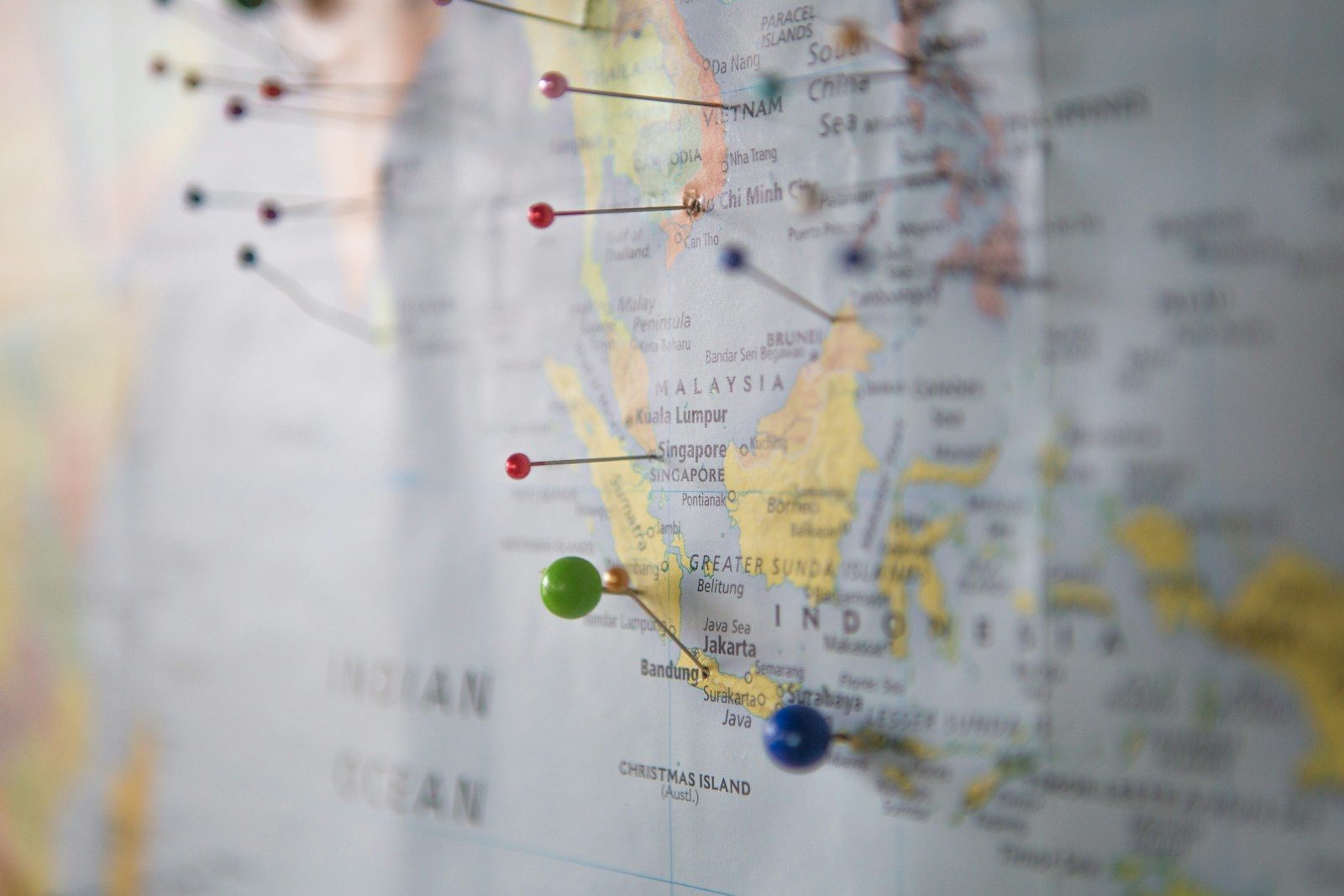
The allure of Southeast Asia is undeniable. From the bustling street markets of Bangkok to the serene turquoise waters of the Philippine archipelago, the region has become a magnet for digital nomads, retirees, and long-term backpackers. However, shifting your status from a two-week vacationer to a long-stay resident requires a different level of logistical preparation, particularly regarding healthcare.
While budgeting for accommodation and daily expenses is exciting, securing a reliable safety net is critical. As noted in our insurance guides, prioritising comprehensive coverage is a fundamental step for any trip, regardless of the duration. For long-stay travellers, this becomes even more vital as the statistical probability of needing medical attention increases significantly with the length of your stay.
Here are five essential considerations to ensure your health coverage meets the specific demands of a long-term stay in Southeast Asia.
1. Verify Mandatory Visa Insurance Requirements
One of the first hurdles for long-stay travellers is regulatory compliance. Unlike short-term tourist stamps, long-stay visas often come with strict bureaucratic strings attached. Governments in the region are increasingly mandating proof of health insurance to prevent unpaid medical bills from straining their public health systems.
Thailand has set a prominent precedent in this area. If you are applying for a Non-Immigrant O-A or O-X visa, or the newer Long-Term Resident (LTR) visa, you must provide evidence of a policy that meets specific coverage limits. Finding the right visa insurance in Thailand is not just about personal safety; it is a rigid prerequisite for your application approval. These policies must often cover a minimum dollar amount for inpatient care and may still require explicit coverage clauses for pandemics, depending on current regulations. Failing to meet these specific criteria can result in visa rejection at the consulate or denial of entry at the border.
2. Assess Coverage for Tropical Diseases and Regional Risks
Healthcare in Southeast Asia involves managing risks that might not exist in your home country. While road accidents are a universal concern, tropical diseases remain a significant factor for those staying months rather than days.
According to the CDC’s health guidelines for Thailand, travellers should prepare for specific regional risks like Japanese Encephalitis and Malaria, particularly if they plan to spend time in rural areas or border provinces. A standard travel insurance policy might exclude certain preventive care or treatments for specific illnesses. Therefore, it is crucial to ensure your long-stay plan explicitly covers hospitalisation and treatment for vector-borne diseases like Dengue Fever, which is prevalent in both urban and rural settings across the region.
3. Prioritise Medical Evacuation Capabilities
The quality of medical facilities in Southeast Asia varies dramatically. Cities like Bangkok, Singapore, and Kuala Lumpur boast world-class hospitals accredited by the Joint Commission International (JCI). However, remote islands and rural villages often lack advanced medical infrastructure.
If you suffer a severe injury or complex illness while diving in a remote archipelago, local clinics may only be able to provide basic stabilisation. You would then need emergency transport to a major city or even your home country. Ensure your policy has a high financial cap for medical evacuation, as this is often the single most expensive claim a traveller will ever make. Without this coverage, you could face bills ranging from $20,000 to over $100,000 for an air ambulance.
4. Check for Direct Billing and Cashless Options
Financial liquidity is key for long-term travellers. In many Southeast Asian hospitals, especially private international ones that cater to expats, medical costs can be high relative to local costs of living. If your insurance operates on a “pay and claim” basis, you must have thousands of dollars available on a credit card or in cash to pay the hospital upfront before filing for reimbursement later.
A superior option for long-stay travellers is a policy that offers a direct billing network. This allows the hospital to bill your insurer directly for covered inpatient treatments. This prevents you from being out of pocket during a stressful time and streamlines the administrative process. Always check the insurer’s network list to see which hospitals in your target destination accept direct billing to avoid financial strain during emergencies.
5. Scrutinise Exclusions for Motorbikes and Adventure
Finally, you must review the fine print regarding “high-risk” activities. Southeast Asia is famous for adventure tourism, but standard policies often exclude the very activities you plan to enjoy.
- Motorbikes: Renting a scooter is a rite of passage in places like Chiang Mai or Ho Chi Minh City. However, many insurers will deny claims if you do not hold a valid motorcycle license from your home country or an International Driving Permit (IDP). Riding illegally usually voids your coverage instantly.
- Adventure Sports: Scuba diving below a certain depth, rock climbing, or trekking without a certified guide may be excluded unless you purchase a specific “adventure sports” add-on.
Living in Southeast Asia offers an incredible quality of life, but it requires responsible planning. By securing the right coverage that meets mandatory visa standards and addresses regional risks, you protect not just your health, but your financial freedom to keep travelling.