The future of transportation in India is evolving, and electric scooters are playing a significant role in this shift. As the country grapples with the challenges of rising pollution levels, skyrocketing fuel prices, and increasing traffic congestion, the demand for electric scooters in India has surged.
These scooters offer a practical, economical, and eco-friendly solution for urban mobility. With advancements in technology, improvements in infrastructure, and increased government support, the market of electric scooters in India is set to expand rapidly in the coming years.
This blog will explore the key trends shaping the future of electric scooters in India, as well as their prices.
The Growing Demand for Electric Scooters in India
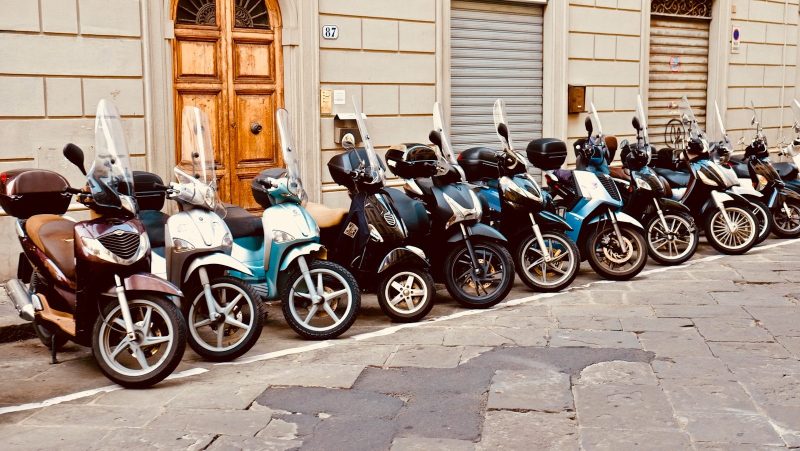
India’s urban population has been growing steadily, leading to an increase in the demand for personal transportation. With more people seeking convenient, cost-effective, and eco-friendly modes of transport, electric scooters in India have gained significant popularity in recent years.
Unlike traditional petrol-powered two-wheelers, electric scooters do not emit harmful pollutants, making them a cleaner option for urban commuting. With zero tailpipe emissions, they help reduce the carbon footprint and improve air quality in cities, which is critical for the health and well-being of citizens.
Key Trends Driving the Growth of Electric Scooters in India
The electric scooter market in India is experiencing rapid growth, driven by several key trends that are shaping the future of urban transportation.
1. Government Support and Incentives
The Indian government encourages electric vehicle adoption through the Faster Adoption and Manufacturing of Hybrid and Electric Vehicles (FAME 3) scheme, offering subsidies to lower consumer prices.
Additionally, states provide tax rebates, free registration, and road tax exemptions, making electric scooters more affordable. These initiatives have made EVs a practical option for a broader segment of the population, fostering widespread adoption.
2. Advancements in Battery Technology
Battery limitations, particularly range and charging time, were early challenges for electric scooters. However, advances in lithium-ion battery technology have significantly improved performance.
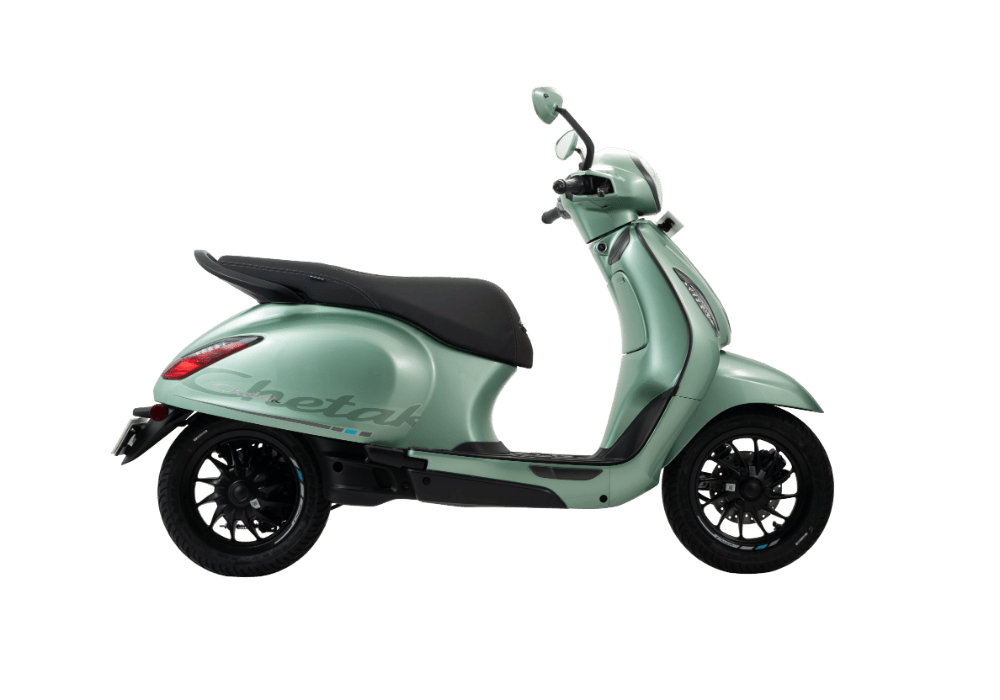
Electric scooters like the Bajaj Chetak 3501, 3502, and 3503 now offer up to 151Km to 153Km on a single charge, making them ideal for daily commutes and urban travel with enhanced efficiency and convenience.
3. Improved Charging Infrastructure
The expansion of charging infrastructure across India is driving electric scooter growth. Government and private investments have increased the number of charging stations, offering more convenience to users.
Additionally, home charging solutions have become commonplace, allowing scooter owners to recharge their vehicles overnight, making electric scooters even more accessible and practical for urban commuters.
4. Integration of Smart Features
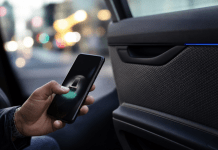
Electric scooters are incorporating advanced features like smartphone connectivity and GPS tracking. Models like the Bajaj Chetak 3501, 3502, and 3503 come equipped with Bluetooth connectivity.
A companion app allows users to track battery status and control functions remotely, improving the scooter’s overall user experience and security.
5. Focus on Design and Performance
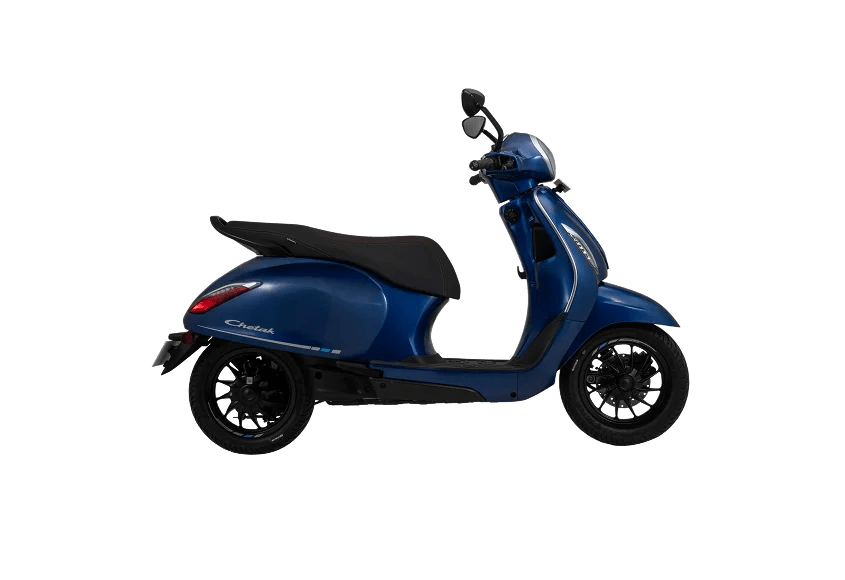
Electric scooters now combine sleek designs with high performance. Manufacturers are focusing on producing stylish scooters that compete with petrol models in terms of both aesthetics and capabilities.
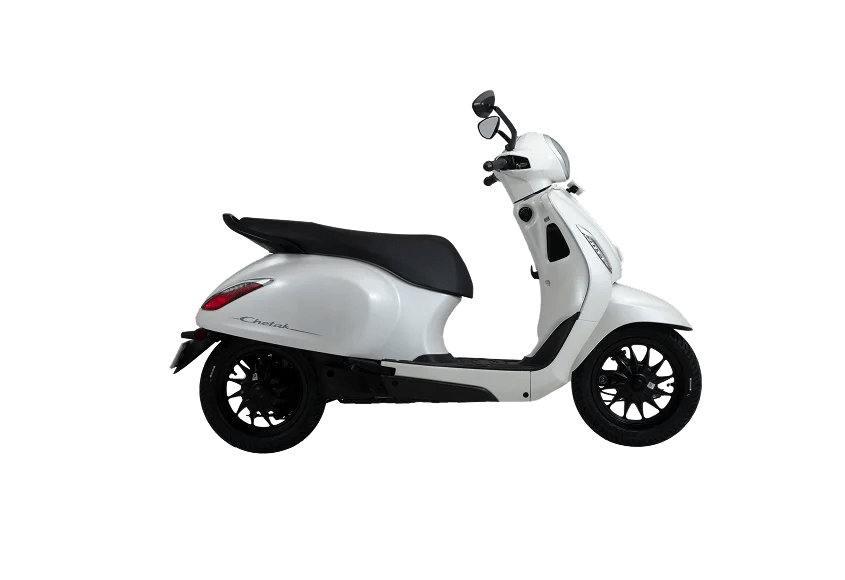
The Bajaj Chetak 3501, 3502, and 3503, for example, feature modern designs with a metal body, LED lighting, and comfortable seating, appealing to style-conscious consumers.
Electric Scooter Pricing in India: An Economical Option for Every Rider
The cost of electric scooters in India has been a major factor influencing their adoption. Although they were initially priced higher than petrol scooters, the gap is closing thanks to advancements in manufacturing, government incentives, and economies of scale.
For instance, the Bajaj Chetak starts at approximately INR 1,22,500 (Bengaluru ex-showroom price) for the 3501. Other variants like the 3502 INR 1,22,499 (Bengaluru ex-showroom price) and 3503 priced around INR 1,02,500 (Bengaluru ex-showroom price).
These prices make the Chetak accessible to a broader audience, especially considering the long-term savings on fuel and maintenance.
The Future of Electric Scooters in India
The future of electric scooters in India looks promising, with several factors driving the growth of the market. As the government continues to support the EV industry through incentives and policies, and as technology continues to improve, electric scooters will become even more affordable, efficient, and practical for daily commuting.
In the coming years, we can expect to see more electric scooter models hitting the market, offering improved features, longer ranges, and better performance. Furthermore, as the charging infrastructure expands and becomes more accessible, electric scooters will become an even more convenient option for urban commuters.
With rising concerns over environmental sustainability and the need for cleaner transportation options, electric scooters are poised to play a significant role in shaping the future of urban mobility in India.
Take the First Step Towards the Future of Commute Today
The future of electric scooters in India looks promising, with continued advancements in technology, government support, and growing consumer awareness. As the demand for sustainable and cost-effective transportation rises, electric scooters like the Bajaj Chetak are playing a pivotal role in shaping urban mobility.
With their blend of affordability, eco-friendliness, and advanced features, electric scooters are becoming increasingly attractive to Indian commuters. The continued development of charging infrastructure, improved battery technology, and the introduction of new models will only accelerate this growth.
Embracing electric scooters offers a cleaner, more efficient commuting option and represents a step towards reducing our carbon footprint.