Wedding jewellery holds sentimental and cultural significance, often becoming a treasured part of a bride’s collection long after the celebrations end. Choosing the right pieces involves balancing personal style, traditional preferences, outfit details, and budget.
With numerous designs, metals, and gemstone options available, planning ahead makes it easier to create a coordinated look without compromising on comfort or practicality. A well-chosen bridal jewellery set brings these elements together, complementing the wedding attire while reflecting the bride’s personality and preferences.
What a Complete Bridal Jewellery Set Includes
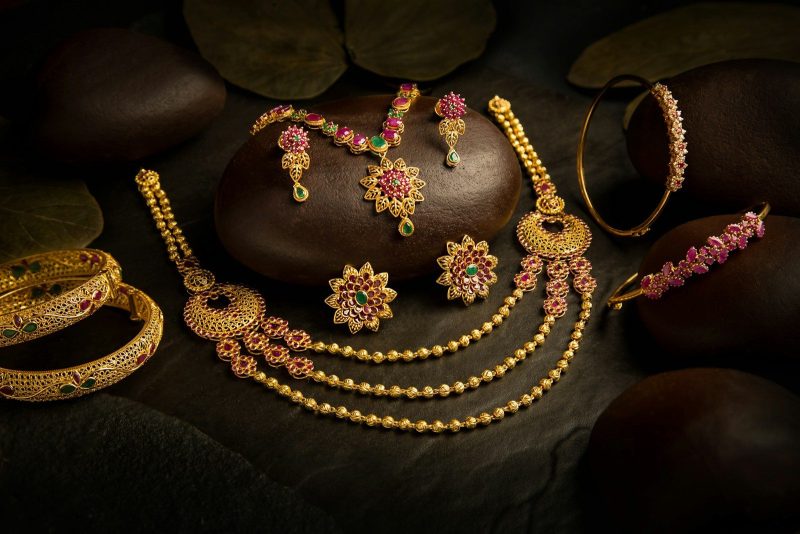
A traditional bridal jewellery collection features several pieces that work together to create a cohesive appearance. However, the exact selection depends on regional customs, the wedding outfit, and individual styling preferences.
Here are the key pieces to consider when assembling your collection:
- Necklace: The necklace often serves as the focal point of the bridal look. Brides may choose a choker, a long necklace, a layered design, or a combination of different lengths to complement their neckline and outfit.
- Earrings: Jhumkas, chandbalis, temple earrings, and elaborate drop designs are popular choices. Their size and detailing should complement the necklace without making the overall look feel crowded.
- Maang Tikka: Worn along the centre parting, this accessory adds a traditional touch. Its shape and embellishments should coordinate with the other jewellery pieces.
- Nath: A nose ring can complete a traditional bridal look. Brides can choose between delicate designs and statement pieces, depending on comfort and cultural preferences.
- Bangles or Kadas: These accessories add colour, texture and detail to the hands. Gold bangles, gemstone-studded designs and embellished kadas offer different styling possibilities.
- Haath Phool: This hand ornament connects a bracelet or bangle to rings through decorative chains. It works particularly well with traditional wedding attire.
- Waist Belt and Anklets: Kamarbandhs and anklets are optional additions that can enhance specific bridal looks, particularly those inspired by regional traditions.
You do not need every accessory to create a complete look. Select pieces that suit your ceremony, outfit, and comfort level. A carefully coordinated bridal jewellery set can look equally striking with a few statement pieces or a more elaborate collection.
Matching the Set to Your Wedding Outfit
Your wedding outfit provides a useful starting point when selecting jewellery. Consider its colour, neckline, embroidery, fabric and overall level of embellishment before finalising the pieces.
- Coordinate with the Outfit Colour
Red, maroon and other richly coloured bridal lehengas often pair well with traditional yellow gold, kundan or polki jewellery. Pastel pink, ivory and champagne outfits may suit diamond jewellery, rose gold tones or delicate gemstone accents. Green and blue outfits can also work beautifully with contrasting stones that complement their undertones.
- Consider the Neckline
A high-neck blouse may pair well with statement earrings and a longer necklace, while a sweetheart or deep neckline can accommodate a choker or layered necklace. An off-shoulder blouse offers room for elaborate neckwear, although a simpler design may be preferable if the outfit already features heavy embroidery.
- Balance the Embellishments
If your lehenga includes extensive zari work, sequins or intricate motifs, choose jewellery that complements these details instead of competing with them. For a simpler outfit, an elaborate necklace or statement earrings can introduce visual interest.
- Think About the Overall Silhouette
Taller brides may enjoy experimenting with layered necklaces, while shorter brides might prefer carefully proportioned designs that do not overwhelm their frame. These are styling considerations rather than strict rules, so personal preference should guide the final decision.
Try your chosen pieces with the complete outfit before the wedding. This helps you assess how the jewellery looks in photographs, feels during movement, and works with your hairstyle and dupatta placement.
Gold, Diamond or Polki: Choosing the Base
The material and style of your jewellery influence its appearance, versatility, maintenance, and price. Understanding the differences between the main options can help you select pieces that suit your preferences.
- Gold Jewellery
Gold remains a popular choice for traditional weddings because of its versatility and enduring appeal. Yellow gold complements many Indian bridal outfits, while rose gold and white gold offer alternative finishes. Designs range from intricate temple jewellery to contemporary necklaces and minimalist earrings.
When buying gold, check its purity, hallmarking details, weight, and making charges. Consider whether you prefer solid gold pieces or designs incorporating other materials.
- Diamond Jewellery
Diamonds offer a refined appearance and can complement both traditional and contemporary bridal outfits. Solitaire-inspired pendants, diamond necklaces and matching earrings work well for brides who prefer a polished, elegant look.
Before purchasing, review the diamond’s quality characteristics, certification where applicable, setting, and overall craftsmanship. Also consider whether the design will suit occasions beyond the wedding.
- Polki Jewellery
Polki jewellery features uncut diamonds, often arranged in elaborate settings inspired by traditional Indian craftsmanship. Its distinctive finish makes it a popular choice for brides seeking a regal, heritage-inspired aesthetic. Kundan jewellery, which uses gemstones or glass set in decorative frameworks, offers another traditional option.
Polki pieces often feature detailed designs and can pair beautifully with embroidered lehengas and sarees. Check the materials used, the construction, and the care requirements before buying.
Your choice does not need to be limited to one category. Combining gold with diamonds or selecting polki jewellery alongside simpler gold pieces can create a distinctive bridal look. You may also choose a gold wedding ring that complements the rest of your accessories without matching every detail exactly.
Planning Your Bridal Jewellery Budget
A clear budget makes it easier to prioritise essential purchases and compare designs without overspending. Jewellery prices vary according to metal rates, purity, gemstone quality, weight, craftsmanship and brand.
1. Set an Overall Limit
Decide how much you want to spend on wedding jewellery before visiting stores. Keep this amount separate from your budget for clothing, makeup, and other wedding expenses.
2. Prioritise Essential Pieces
Identify the jewellery you plan to wear for the main ceremony. Allocate a larger share of your budget to these pieces before considering accessories for other functions.
3. Compare Materials
Explore different combinations of gold, diamonds, polki and other gemstones. Compare pieces with similar specifications to understand differences in pricing.
4. Understand the Complete Cost
Ask for a clear price breakdown covering metal weight, purity, gemstone details, making charges, applicable taxes, and any additional fees. Review the final invoice before making payment.
5. Consider Future Use
Choose pieces that you can wear at festivals, family celebrations, and other occasions. Versatile necklaces, earrings and bangles may offer greater long-term value than designs suited to a single event.
6. Check Exchange and After-sales Policies
Understand the terms for exchanging old gold, resizing, repairs, cleaning and other services. Keep invoices, certificates and product documentation safely stored.
A bridal jewellery set is a significant purchase, so take time to compare options rather than making a decision based solely on appearance. If you plan to buy several pieces, ask whether the designs can be purchased separately or combined into a coordinated collection. This allows you to prioritise your requirements while keeping spending within your planned limit.
Choosing Jewellery That Reflects Your Style
Selecting wedding jewellery means balancing tradition, personal style, outfit coordination and budget. From statement necklaces and earrings to delicate bangles, each piece should feel comfortable, versatile and true to the bride’s style.
When exploring a bridal jewellery set, Indriya offers designs suited to weddings and special occasions. Its gold exchange policy accepts gold jewellery of any karat, purchased from any jeweller, with 0% deductions. At Indriya, the buying and selling rate for gold remains the same, helping make the exchange process more transparent.
Visit your nearest Indriya store to explore designs in person and choose jewellery that complements your wedding look.