
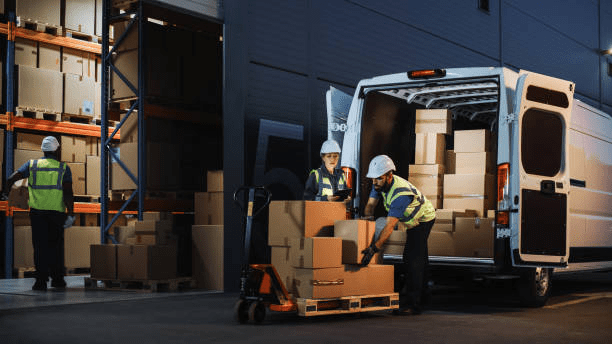
Expanding a growing brand into national stores is a massive achievement for any modern business. The volume of potential business that can be generated through products selling on these giant shelves is tremendous. Yet with the giant retail companies, there are many operational challenges with shipping inventory to them. Brands must prepare very carefully to avoid frustrating mistakes and maintain highly profitable business relationships.
Navigating Complex Vendor Guidelines
All the big stores have their own manual for vendors. All these detailed documents regulate just precisely how products are to be delivered to their big stockrooms. Reading through hundreds of pages of complicated rules is stressful for busy warehouse teams. Many supply chain managers now rely on advanced tools like RetailerHub to instantly generate clear operating procedures from these files. The right guidelines are easily accessible and avoid major shipping mistakes. When you digest all this hard-to-digest information, packing orders becomes simple without having to guess at rules for each of your retail partners today.
Managing Strict Labeling Rules

In the first couple of minutes, it seems easy enough to apply the right shipping label. But the major retailers need very particular barcode formats and precise placement of labels on each individual box. When a warehouse employee affixes a regular label to the wrong side of the carton, the whole shipment will be turned back at the receiving facility at a moment. These rules are strict and are subject to frequent change and little warning. Brands need to continually improve their internal printing systems to perfectly meet these new stringent requirements. If labels are not up-to-date, there are huge delays at the receiving docks all over.
Handling Rigid Packaging Standards

Beyond simple stickers retail giants enforce strict rules regarding the physical cardboard boxes themselves. Each store has specific carton size requirements and maximum allowable carton weights for all incoming freight. They also specify exactly how boxes should be stacked in a perfect way to be shipped on wooden pallets. The reputation of the brand will be ruined if a pallet is too high or the incorrect type of tape is used, the retailer will not accept the delivery at all. It would be a huge effort on a daily basis and also very detailed supervision to train each member of the team to do the same physical packaging for a number of different store brands.
Avoiding Expensive Financial Penalties
If a brand doesn’t comply with any shipping regulation the retailer sets, a sharp monetary punishment, referred to as a charge back, is issued. These hefty fines are taken directly from the bottom of the bill as soon as the bill is paid. Chargebacks occur when there was a minor error, such as a barcode sticker that is slightly crooked or the product was delivered late. With these sneaky charges, growing brands lose all their profit margins. The only way to avoid these punitive penalties is to be 100% perfect in your operation within the warehouse facility. Ensuring that your wholesale business is truly profitable in the long-term means you must be 100% compliant.
Conclusion
Today, it is no longer an easy or simple task to ship your terrific products to retail giants across the globe. Today, any expanding supply chain team is constantly putting the test of their abilities with the daily frustrations of mastering the intricacies of vendor manuals, labeling regulations and packaging requirements. Yet, it is essential to learn these demanding operational requirements in order to achieve longterm retail success. If you are growing and have complex compliance rules, and you’re struggling to survive in an extremely competitive marketplace, you can do so easily by carefully structuring your daily warehouse processes and utilizing smart technology that makes those rules easy to follow. Protecting your valuable profit margins from expensive chargebacks ensures a very bright and highly successful future for your entire wholesale business operation for many years to come as you expand operations.