
Whether it is a weekend game of Australian Rules Football, a local rugby match, or an intense martial arts sparring session, contact sports place immense physical demands on athletes. Data from the Australian Institute of Health and Welfare for the 2023 to 2024 period highlights that both collision and incidental contact sports drive a massive volume of sports-related hospitalisations across the country. Protecting players from these high-impact collisions requires more than just knowing the rules of the game. It demands a highly structured, holistic approach to injury prevention, combining proper conditioning frameworks with carefully maintained, high-quality protective gear. For athletes at every level, investing in comprehensive safety measures is the best defence against season-ending injuries and long-term health complications.
Safeguarding the Head, Face, and Jaw
The risk of severe dental trauma and concussive injury is incredibly high in collision sports. According to the Australian Dental Association, athletes who step onto the field without proper oral protection are 60 times more likely to suffer devastating dental injuries. Furthermore, research on non-professional football players in Australia reveals that dental trauma carries a hefty financial burden, averaging well over a thousand dollars per injury. To ensure maximum shock absorption and structural integrity, sports medicine professionals recommend investing in custom sports Mouthguards that are professionally fabricated from accurate dental impressions. Unlike loose, over-the-counter alternatives that frequently dislodge upon impact, expertly fitted guards remain securely in place during intense physical activity, allowing athletes to breathe and communicate easily.
Despite these well-documented risks, industry estimates indicate that only around 36 percent of Australian players actively wear oral protection on the field. Beyond just protecting teeth, properly fitted oral gear plays a vital role in overall head safety. A 2025 clinical review published in Frontiers in Medicine demonstrates that wearing proper mouthguards absorb and distribute impact forces away from the jaw, which decreases the transmission of impact energy to targeted head regions and can potentially lessen the severity of traumatic brain injuries. National safety initiatives like the “No Mouthguard, No Play” policy strongly encourage local clubs to enforce the use of these protective items during both practice and competitive matches.
Body Armour and Joint Stabilisation
While head and facial protection are critical priorities, athletes must also proactively safeguard their joints, bones, and soft tissues. High-quality shoulder pads, sternum guards, and shin protectors are essential for absorbing blunt force trauma during heavy tackles or accidental collisions on the pitch. In sports characterised by erratic movements, the knees and ankles are highly vulnerable to sprains, ligament tears, and meniscus damage.
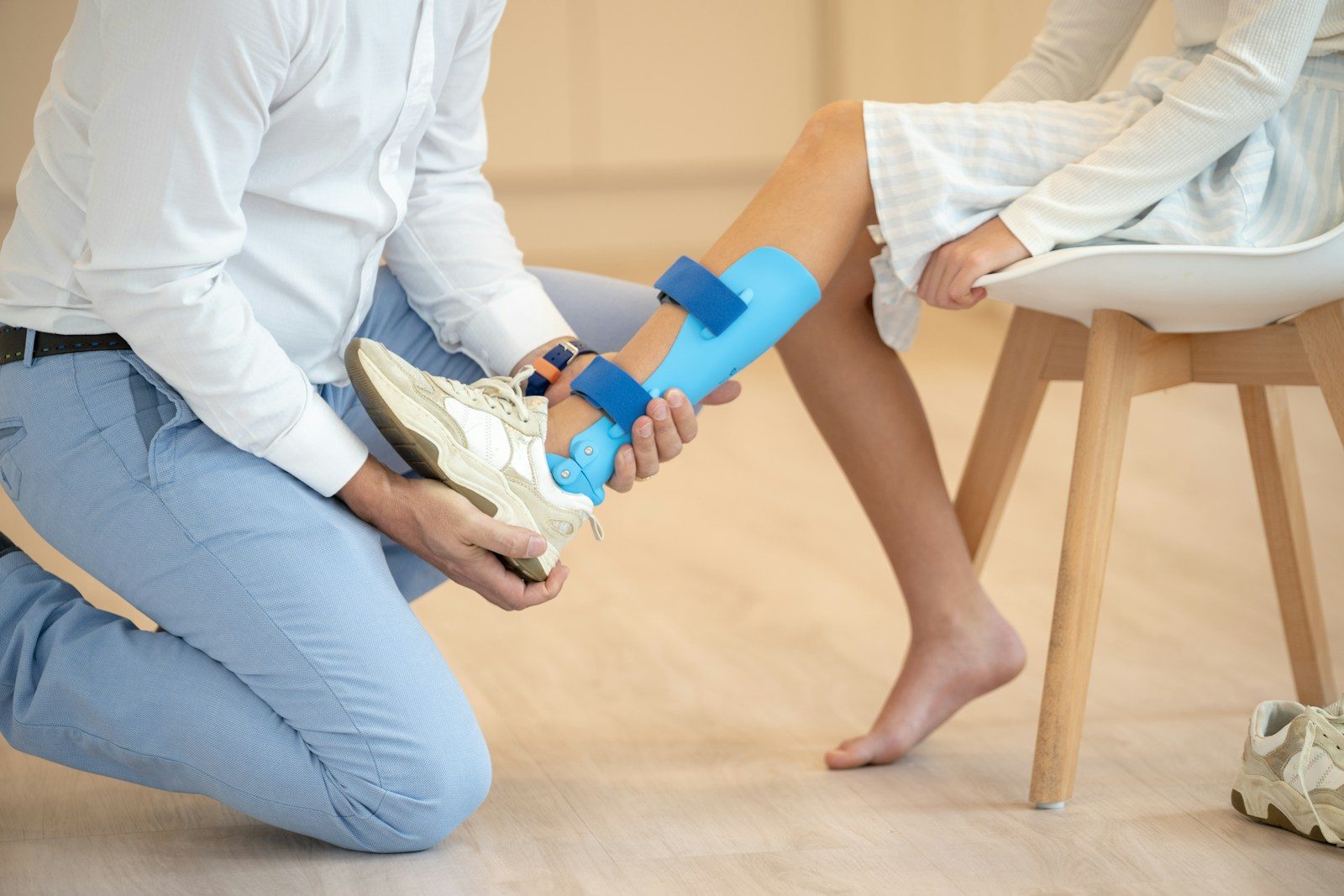
Professional bracing and taping provide structural support to prevent joints from hyper-extending during sudden pivots. Modern safety frameworks emphasise that protective gear is not just for heavy-collision sports like rugby. Athletes in incidental contact sports, such as basketball and netball, also benefit immensely from appropriate padding and joint stabilisers. Using compression garments can further aid in reducing muscle fatigue and improving proprioception, keeping the body aligned during sudden directional changes.
The Hidden Dangers of Degraded Gear
A common mistake many amateur athletes make is holding onto old safety equipment for far too long. Over time, materials like protective foam, hard exterior plastics, and elastic strapping lose their structural integrity and critical shock-absorbing capabilities. Using worn-out or degraded gear is often just as risky as wearing no protection at all, making it highly recommended to review practical guides on recognising signs it’s time to upgrade an aging sports gear collection to ensure you are fully protected on the field.
Cracks in helmets, flattened interior padding, or tears in protective layers mean the equipment can no longer disperse kinetic energy effectively. Consistent with warnings from sports medicine professionals, athletes should regularly inspect their entire kit and replace items the moment they show visible signs of wear, tearing, or a loosened fit. Routine maintenance checks should become as habitual as attending weekly practice sessions.
Practical Injury Prevention Protocols
Equipment alone cannot prevent all injuries. Physical conditioning and strict adherence to medical guidelines form the second vital pillar of contact sports safety. Implementing proactive health measures ensures players remain resilient and healthy throughout the entire competitive season.
- Implement Graduated Return Frameworks: According to updated Concussion and Brain Health guidelines from the Australian Institute of Sport, players recovering from head impacts must complete a conservative recovery period before resuming competitive play.
- Dynamic Warm-Ups: Athletes should always perform sport-specific warm-ups to increase blood flow to the muscles and improve joint flexibility before exposing themselves to high-impact scenarios.
- Pre-Game Equipment Checks: Referees and coaches should proactively verify that all players are wearing mandatory protective gear and ensure that none of the equipment is visibly degraded.
- Ongoing Strength Conditioning: Building robust neck, core, and leg muscles helps the body absorb physical shocks more efficiently, reducing the burden on delicate bones and ligaments.
By combining high-quality, properly maintained equipment with evidence-based physical conditioning, athletes can drastically reduce their risk of severe injury. Staying informed about current safety guidelines and equipment standards ensures that players can enjoy the physical benefits of contact sports without compromising their long-term health and well-being.