Growth doesn’t happen by accident. It comes from building a system that guides people from first discovery to long-term loyalty. That’s the essence of full-funnel marketing. When you combine SEO, email, and social media, you create a powerful engine that attracts, nurtures, and retains customers. Each channel has strengths, but the real magic happens when they work together.
The Full-Funnel Framework
Think of the funnel as four stages:
- Awareness: People are just learning about you.
- Consideration: They’re weighing options.
- Conversion: They’re ready to buy.
- Retention: After purchase, they need reasons to stay engaged.
SEO sparks awareness, social media strengthens engagement, and email drives conversions while nurturing loyalty. When these channels operate in isolation, opportunities slip away. But when you integrate them, they work together to create a seamless customer journey that feels connected.
Marketers often distinguish between the marketing funnel, which focuses on attracting and nurturing leads, and the sales funnel, which emphasizes converting those leads into customers. In practice, they’re two parts of the same journey, guiding people step by step until they become loyal advocates.
SEO as the Foundation of Awareness
Search is often the first step in discovery. People turn to Google when they want answers. If your content doesn’t show up, you lose visibility. That’s why SEO is the foundation of awareness.
To make SEO work across the funnel, you need to match keywords to intent:
- Broad educational queries: Capture early-stage awareness by answering general questions.
- Comparison and solution-based terms: Support consideration by showing how your offering stacks up against alternatives.
- Transactional intent keywords: Drive conversions by targeting people ready to buy.
Content formats matter too. Blog posts, guides, and videos attract early-stage traffic, while case studies and product pages convert later-stage visitors. In addition, technical SEO ensures your site loads fast, stays secure, and ranks consistently.
If you’re struggling to connect SEO efforts with funnel goals, working with an SEO agency in Toronto or one in your city can be a practical solution. Specialists help identify gaps, refine keyword strategies, and build content that supports each stage of growth. This kind of guidance addresses the common pain point of traffic that never converts, turning visibility into measurable results.
Social Media for Engagement and Amplification
Social media extends your reach beyond search. It’s where people spend time, share opinions, and build trust with brands. Used strategically, it becomes a powerful way to amplify your SEO efforts and keep the funnel moving.
Each platform has its own rhythm, and tailoring content to fit that rhythm ensures relevance. LinkedIn rewards thought leadership, Instagram thrives on visuals, X (Twitter) favors quick insights, and Facebook supports community building. When used together, these platforms create multiple touchpoints that deepen engagement.
That engagement doesn’t just build awareness. It also strengthens visibility. Shares and mentions drive traffic back to your site, indirectly supporting SEO. In this way, social and search complement one another, working hand in hand to expand reach.
Paid campaigns add another layer of impact. With retargeting ads, you can reconnect with visitors who didn’t convert the first time, keeping prospects in motion rather than letting them slip away. This continuity is what makes social media such a vital amplifier across the funnel.
Email Marketing for Conversion and Retention
Email is the most direct way to nurture relationships. It lands in someone’s inbox, where attention is personal. That’s why it’s critical for conversion and retention.
Segmentation is key. Don’t blast the same message to everyone. Group subscribers by behavior, interests, or stage in the funnel. Personalization makes your emails feel relevant, not robotic.
Automating email marketing helps you scale. Welcome sequences guide new leads, abandoned cart emails recover lost sales, and loyalty campaigns keep customers engaged long after purchase. Together, these workflows support different stages of the funnel and pave the way for stronger brand loyalty.
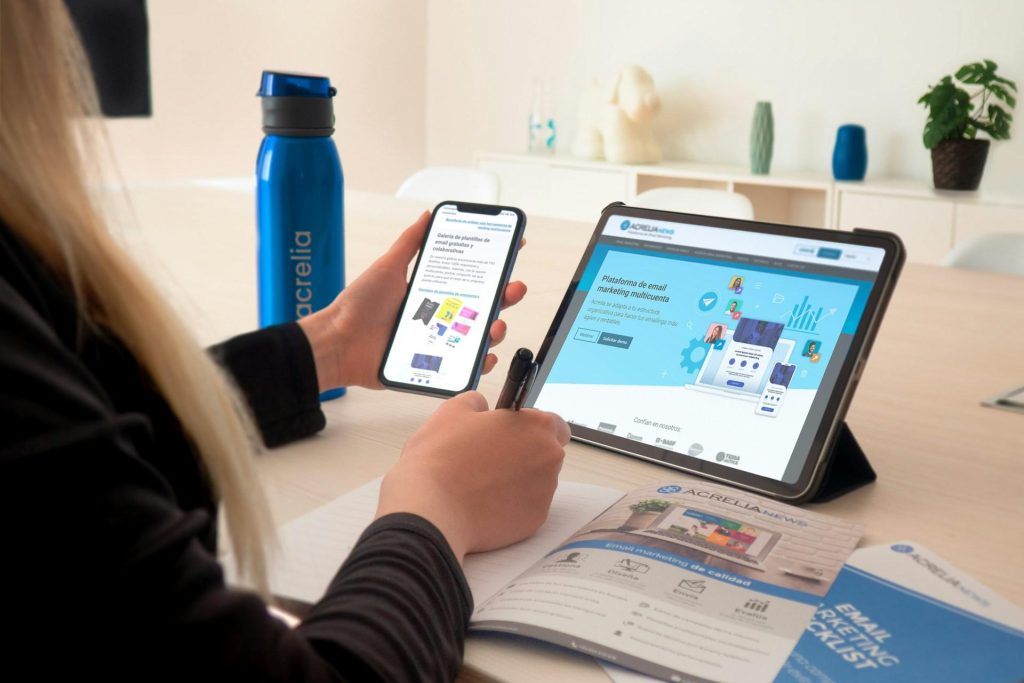
That loyalty grows when you deliver consistent value. Over time, trust translates into repeat purchases and referrals. Even simple touches, like tailored product recommendations based on browsing history, can significantly increase conversions while reinforcing the relationship.
Creating a Unified Strategy Across Channels
Integration is where full-funnel growth becomes real. Your SEO, social, and email campaigns should share a consistent voice so messaging feels unified. When channels align, people experience one brand rather than three disconnected ones.
Analytics provide the bridge that ties everything together. By using tools that track performance across channels, you can see how audiences move from search to social to email. Those insights reveal patterns that help refine campaigns and allocate resources more effectively.
Practical examples show how this works in action. A blog optimized for SEO can be shared on social media to drive traffic. That traffic can then be captured with a lead magnet, and later nurtured through personalized email sequences. Each step builds on the last, creating a seamless funnel experience.
Advanced marketers take this further with predictive analytics. If data shows that visitors who download a guide are likely to buy within 30 days, you can design email workflows to accelerate that decision. Pairing predictive models with AI-driven insights uncovers patterns you might miss manually, turning data into proactive strategy.
Practical Steps to Implement Integration
Building a unified funnel strategy requires clear, actionable steps. These practical measures help ensure your SEO, social, and email campaigns work together seamlessly:
- Create a roadmap: Set goals for each channel and map them to funnel stages so every effort supports a clear objective.
- Choose the right tools: Use marketing automation platforms, SEO software, and social schedulers to manage campaigns efficiently and avoid chaos.
- Foster collaboration: Encourage communication between your SEO, social, and email teams. Shared calendars and joint planning sessions prevent overlap and keep messaging consistent.
- Test and iterate: Run A/B tests on subject lines, ad creatives, and landing pages. Use the results to refine continuously, recognizing that growth is a cycle of learning and adjusting.
These steps act as performance indicators, showing what’s working and what needs improvement. For instance, if retargeting ads drive clicks but not conversions, stronger landing page copy may be needed. If emails get opened but not clicked, calls to action might require refinement. By treating integration as an ongoing process, you build a system that adapts and improves over time.
Common Pitfalls and How to Avoid Them
Even the best strategies can falter if common mistakes aren’t addressed. Recognizing these pitfalls early helps you maintain consistency and maximize results:
- Inconsistent messaging: When SEO content says one thing but emails say another, you confuse your audience. Keep your voice unified across channels to build trust.
- Over-reliance on one channel: SEO alone won’t convert, social alone won’t retain, and email alone won’t attract. Balance is essential to ensure each channel supports the others.
- Generic automation: Relying too heavily on templates makes emails feel impersonal. Always add a human touch to keep communication engaging.
- Ignoring efficiency gains: Treating integration only as a reach strategy overlooks its ability to save time and resources. Coordinated campaigns reduce duplication and maximize impact.
By identifying these pitfalls and addressing them proactively, you create a strategy that’s effective and sustainable. Each adjustment strengthens your funnel, ensuring growth that’s consistent, scalable, and built on trust.
Parting Words
Combining SEO, email, and social media isn’t optional if you want full-funnel growth. It’s the path to building awareness, nurturing leads, converting customers, and keeping them loyal.
When you integrate these channels, you create a system that works together instead of apart. That system builds trust, drives conversions, and contributes to sustainable growth.
Begin with small steps by aligning your messaging and testing your campaigns, then use the data to learn and refine. Over time, you’ll uncover new growth opportunities and see how powerful a full funnel marketing strategy can be.