
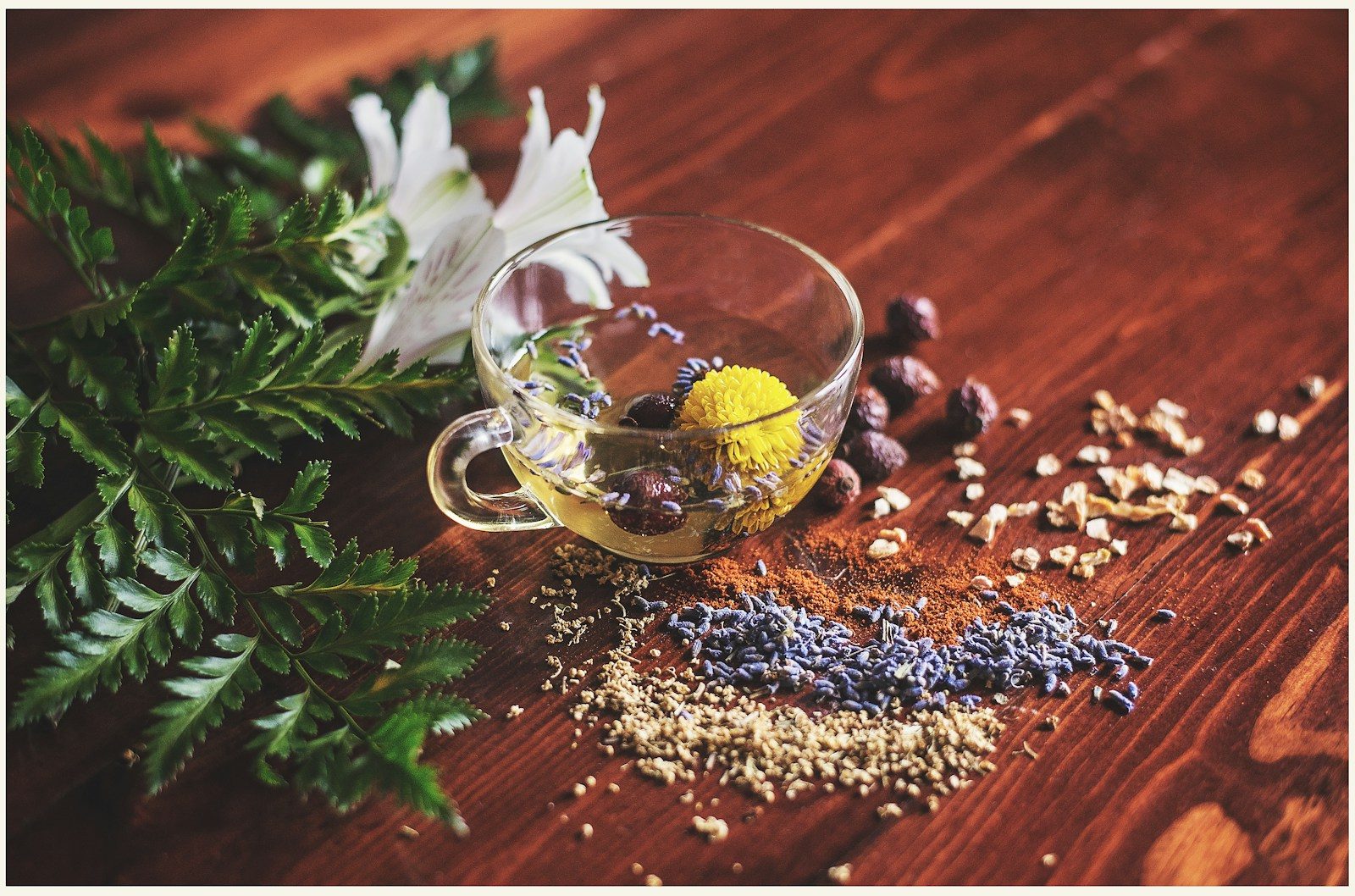
Herbal tea pairs beautifully with Thai desserts because its floral, fruity and refreshing flavours complement ingredients such as coconut milk, pandan, mango and sticky rice. While some people enjoy herbal tea for health (this is commonly referred to as ชาสมุนไพร เพื่อสุขภาพ in Thai), its culinary appeal deserves equal attention. The right infusion can balance rich textures, highlight natural sweetness and introduce unexpected flavour combinations without overshadowing the dessert itself.
Why Thai Desserts and Herbal Tea Work Together
Thai desserts often combine contrasting sensations. Creamy coconut milk meets chewy sticky rice, while fragrant pandan adds an aromatic character to sweet treats.
Herbal infusions offer another layer to these combinations.
Unlike strongly flavoured beverages, many herbal teas have gentle botanical notes that allow delicate ingredients to remain noticeable.
The secret is understanding which flavours complement each other. A floral infusion might enhance a coconut dessert, while a fruity blend can brighten something richer.
Mango Sticky Rice Meets Fruity Herbal Tea
Few Thai desserts are as recognisable as mango sticky rice.
Its combination of ripe mango, coconut cream and glutinous rice delivers sweetness alongside a satisfying, slightly chewy texture.
A fruity herbal infusion, particularly one featuring hibiscus or berries, introduces a pleasantly tart contrast.
That acidity helps refresh the palate between bites of rich coconut rice.
For an enjoyable experience, serve the tea chilled alongside freshly prepared mango sticky rice. The temperature contrast adds another interesting dimension.
Coconut Jelly and the Charm of Floral Infusions
Coconut jelly offers a lighter dessert experience, with its smooth texture and gentle sweetness.
Floral herbal teas, such as chamomile or rose-based infusions, can complement these characteristics without becoming overpowering.
Their aromatic qualities create a pleasant contrast with coconut’s mellow richness.
Consider serving small portions of coconut jelly with warm herbal tea after dinner.
Avoid heavily sweetening the infusion, as the dessert already provides enough sweetness.
Pandan Desserts Deserve Something Refreshing
Pandan is prized for its distinctive fragrance, often described as grassy, nutty and subtly vanilla-like.
It appears in numerous Thai sweets, including pandan custard and layered coconut desserts.
Mint-based herbal tea offers an interesting pairing because its refreshing character contrasts with pandan’s warm, aromatic qualities.
The combination works particularly well when the dessert contains coconut cream.
Rather than competing with pandan, mint provides a clean finish that keeps each bite enjoyable.
How to Choose the Right Herbal Tea
Not every herbal infusion suits every dessert. Consider these simple pairing principles:
- Floral blends: Complement coconut jelly and lightly sweetened custards.
- Fruity infusions: Balance mango sticky rice and richer coconut desserts.
- Mint varieties: Refresh the palate after creamy pandan sweets.
- Citrus-based blends: Add brightness to delicate rice puddings.
Brewing strength also matters. An overly concentrated infusion may dominate subtle dessert flavours, so begin with a lighter preparation.
Give Traditional Thai Sweets a Fresh Companion
The next time you enjoy a Thai dessert, consider what you drink alongside it. A thoughtfully selected herbal infusion can reveal flavours that might otherwise go unnoticed.
Experiment with floral, fruity and refreshing combinations to discover your favourites.
Explore the herbal tea collection at Harney Teas Thailand and find delightful ways to complement traditional Thai sweets, whether enjoying an afternoon treat or sharing dessert after a memorable meal.