
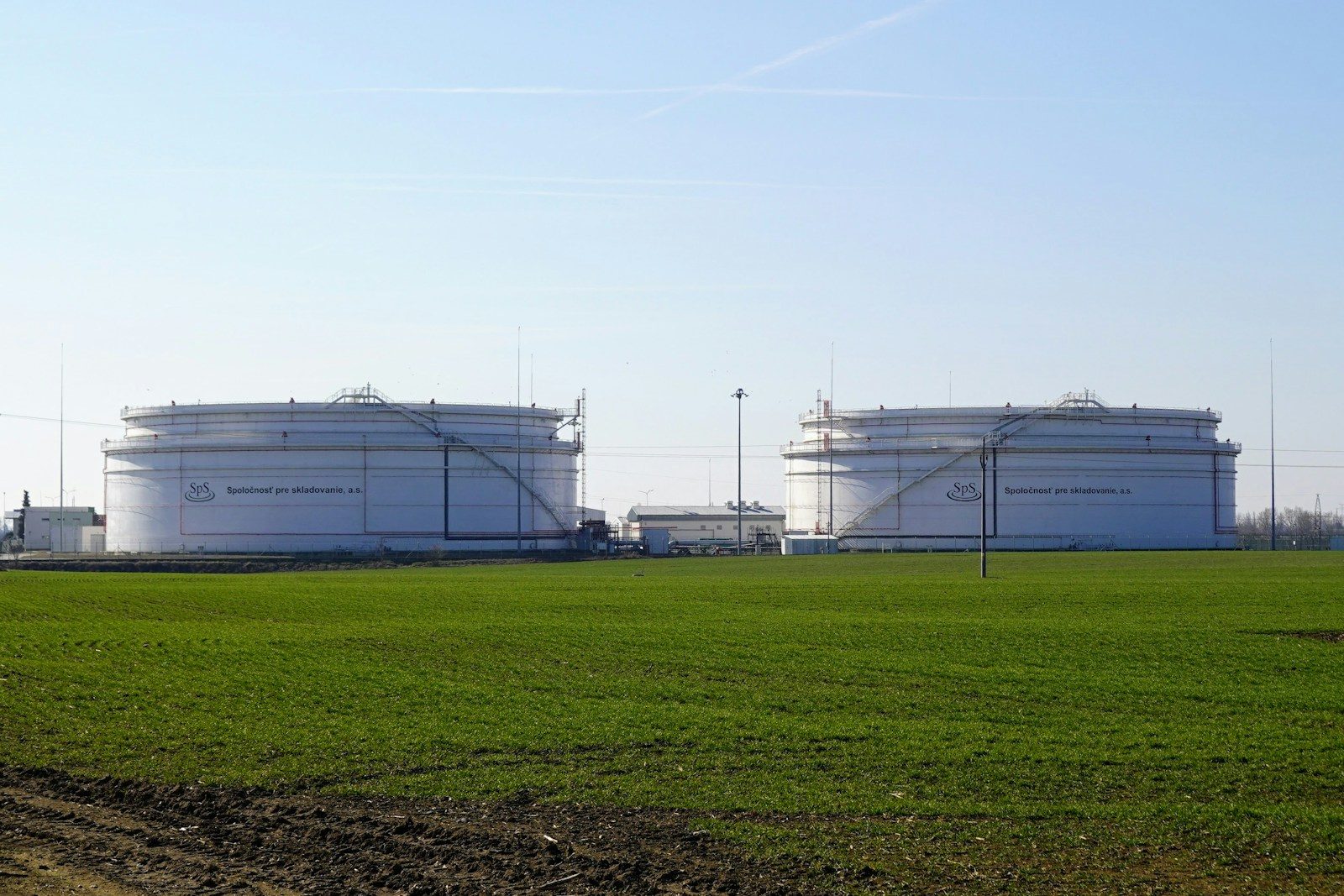
Oil storage is important to business continuity because it keeps fuel, operations, safety, and compliance working without costly interruption. A scheduled oil storage facility inspection (this is commonly referred to as ตรวจสถานที่เก็บรักษาน้ำมัน in Thai) helps companies identify hidden risks before they develop into leaks, contamination, shutdowns, regulatory problems, or supply delays that can affect the entire business.
Storage Problems Rarely Stay Small
An oil storage site may look stable from the outside, but its true condition depends on many details. Tank walls, welds, valves, gauges, pipework, foundations, seals, vents, and containment areas all play a part in safe operation. If one weak point is ignored, the result can spread quickly across the business.
A minor defect may begin as a small maintenance issue. Over time, it can become product loss, environmental concern, equipment damage, or emergency downtime. For businesses that rely on fuel availability, this is not just a technical problem. It is a direct threat to daily performance.
Inspection Supports Reliable Operations
Business continuity depends on confidence. Managers need to know that stored oil is secure, accessible, and properly contained. Regular inspection gives companies a clearer picture of asset condition, making it easier to plan maintenance instead of reacting to sudden failures.
This matters for industries where fuel supports transport, manufacturing, construction, logistics, or energy-related operations. If storage becomes unavailable, the impact can reach delivery schedules, production targets, customer promises, and staff productivity. A well-inspected site helps keep those moving parts steady.
Compliance Protects the Business
Oil storage carries responsibilities. Companies must manage safety, environmental risk, and certification requirements with care. Inspection helps demonstrate that the business is taking these duties seriously.
Good inspection records can support:
- Regulatory checks
- Insurance reviews
- Internal audits
- Contractor assessments
- Client confidence
- Maintenance planning
These records are more than paperwork. They are proof that the company is managing risk in a disciplined and responsible way.
Preventing Downtime Saves Money
Unplanned shutdowns often cost more than the repair itself. A business may need to pause operations, arrange alternative supply, clean affected areas, replace damaged parts, and deal with delayed work. If customers are affected, there may also be reputational damage.
Planned inspection is different. It allows managers to choose suitable timing, prepare resources, and schedule any corrective work with less disruption. This gives the business more control over costs and reduces the chance of being forced into urgent decisions.
Asset Protection Matters
Oil storage tanks and related systems are significant business assets. Replacing them can be expensive, and neglect can shorten their working life. Inspection helps detect corrosion, wear, structural weakness, leakage points, and ageing components before they become serious.
When a company understands the condition of its storage system, it can make smarter decisions about repair, upgrading, replacement, and budgeting. This turns inspection into a practical asset management tool, not simply a safety requirement.
A Stronger Foundation for Future Planning
Reliable storage supports stronger planning. Businesses can forecast maintenance, reduce uncertainty, protect supply, and reassure stakeholders that operations are built on sound infrastructure. In a competitive environment, this kind of preparation can make a real difference.
Oil storage may sit quietly in the background, but it supports the rhythm of daily business. When it is inspected properly, companies gain safety, confidence, and continuity. For professional checking and certification services that help protect oil storage operations, contact NDT Thai and keep your business prepared for what comes next.