
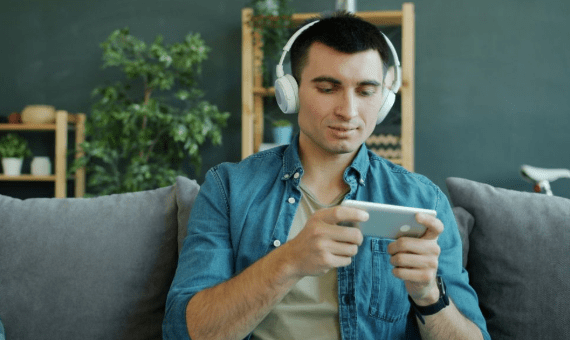
Digital leisure used to mean a laptop on the couch or a TV doing the heavy lifting in the living room. Now it’s mostly a rectangle in a pocket, filling dead time and not-so-dead time alike. Waiting for coffee, commuting, “just five minutes” before bed – mobile platforms have turned those gaps into prime entertainment real estate.
That shift shows up everywhere, from short-form video to cloud gaming to app-based casinos. Curious how far the rabbit hole goes? So, read more and it’s easy to see how mobile-first experiences are built to keep attention moving, tapping, and coming back.
Leisure got smaller, faster, and more constant
The biggest change isn’t the content. It’s the rhythm.
Mobile entertainment thrives on “snackable” sessions. Ten minutes here, two minutes there. Platforms design for quick hits: autoplay, instant resumes, endless feeds, and frictionless sign-ins. Even long-form content gets chopped into mobile-friendly behavior patterns – people start a series on the train, continue while cooking, and finish in bed. Not exactly the old “movie night” vibe.
And because the phone is always close, leisure becomes ambient. Entertainment isn’t an event anymore. It’s the background layer of modern life.
The feed is the new channel guide
Mobile platforms don’t really ask what someone wants to watch. They guess. Then they test that guess in real time.
Recommendation engines have become the quiet directors of digital leisure. They watch what gets paused, what gets replayed, what gets skipped after three seconds, what gets watched at 1.5x. The result is a personalized entertainment loop that feels weirdly intuitive. Sometimes it’s helpful. Sometimes it’s a little too accurate.
This is a big break from the old model where audiences hunted for content. Now the content hunts for the audience.
Gaming went from “sit down and play” to “always on”
Mobile gaming isn’t just a lighter version of console gaming anymore. It has its own logic and its own culture.
- Sessions are shorter, but more frequent.
- Controls are simplified, but progression systems are deeper.
- Social features (clans, chats, invites) are baked in, not bolted on.
- Events run like live programming: weekend drops, timed challenges, daily streaks.
And then there’s cloud gaming. With better networks and streaming tech, high-end games don’t always need high-end hardware. That changes the economics of play. It also changes expectations. If a game can launch instantly, why tolerate a long download?
The takeaway: “casual” and “serious” gaming are blending. Mobile is one reason.
The rise of micro-communities and parasocial entertainment
Mobile entertainment isn’t only about content consumption. It’s about belonging.
Platforms have gotten good at turning fandom into a daily habit. Comment sections, live chats, creator updates, Discord-style communities, inside jokes that make no sense outside the bubble – it all adds stickiness. People don’t just follow shows or games. They follow creators, personalities, and niche scenes.
This is where digital leisure starts looking less like “watching” and more like “hanging out,” even when nobody actually knows each other.
And yes, the parasocial side is real. Some audiences don’t just enjoy a creator’s content. They feel like they know them. Mobile makes that relationship feel closer because it’s literally held in the hand.
Payments, subscriptions, and the new “small spend” culture
One of the most practical ways mobile platforms changed leisure: paying became effortless.
Apple Pay, Google Pay, one-tap checkout, stored cards, carrier billing in some markets – spending on entertainment is now often a tiny decision instead of a big one. That’s why microtransactions took off. Not because everyone loves them, but because they’re frictionless.
Mobile entertainment monetization usually falls into a few buckets:
- Subscriptions (video, music, premium tiers).
- Ad-supported models (free access, paid with attention).
- In-app purchases (skins, boosts, coins, access passes).
- Hybrid setups (free entry, optional spend).
This system rewards platforms that can keep engagement steady. If someone returns daily, even a small percentage of paying users can carry the business.
Notifications became the new prime-time schedule
Prime time used to be a clock. Now it’s a ping.
Push notifications and in-app prompts are basically modern programming schedules. “Your streak is about to end.” “New episode dropped.” “Limited-time event.” “Someone replied.” All of it engineered to pull users back in.
Some people mute everything and feel instantly better. Others keep notifications on and treat their phone like a social heartbeat. Either way, it’s a major shift: leisure time is no longer self-contained. It gets interrupted, nudged, and reassembled throughout the day.
Vertical video changed what “good production” means
Mobile made vertical video normal. That sounds trivial until it isn’t.
Creators now shoot for the phone screen first. Tight framing, fast hooks, captions for silent viewing, punchy editing, direct-to-camera delivery. Production quality still matters, but “polished” looks different. Authenticity wins because it reads well on mobile. Overproduced content can feel stiff in a feed.
This has shaped everything from news clips to comedy to product discovery. A perfectly decent film trailer can lose to a shaky 12-second review with decent lighting and a strong opinion. Is that fair? Not really. Is it the current reality? Yep.
Location-aware leisure: entertainment that follows the day
Mobile platforms can adapt based on context in ways TVs never could.
- Audio for commuting.
- Short video for queues.
- AR filters for social moments.
- Fitness content timed around routines.
- Localized promotions tied to region and language.
This makes leisure feel more personalized, but also more opportunistic. The phone knows when someone is idle. Platforms love that.
Responsible design is becoming part of the conversation
Mobile entertainment isn’t going backward. The question is how it evolves without burning people out.
Digital wellbeing features exist for a reason: screen-time dashboards, “take a break” reminders, notification controls, bedtime modes. Some platforms genuinely try to help users self-regulate. Others add the settings because regulators and app stores expect them.
And regulation is tightening in plenty of places, especially around minors, advertising transparency, data collection, and certain types of real-money gameplay. Entertainment companies now have to think like policy-watchers, not just product builders.
What this means for the future of digital leisure
Mobile entertainment platforms are rewriting leisure into something more fluid, more social, and more continuous. A single device can be a cinema, arcade, radio, book, casino, chatroom, and creator stage – sometimes within the same hour.
The next phase likely looks like this:
- More “all-in-one” hubs that combine video, chat, shopping, and games.
- Better personalization, with more scrutiny on privacy.
- More live and interactive formats (watch parties, live shopping, real-time games).
- Faster access through streaming and lightweight apps.
- A bigger fight over attention, because everyone’s chasing the same spare minutes.
Mobile didn’t just make entertainment portable. It made leisure modular. Shorter, sharper, and always within reach. Whether that’s freeing or exhausting depends on how it’s used – and how hard platforms keep pushing for “one more tap.”