
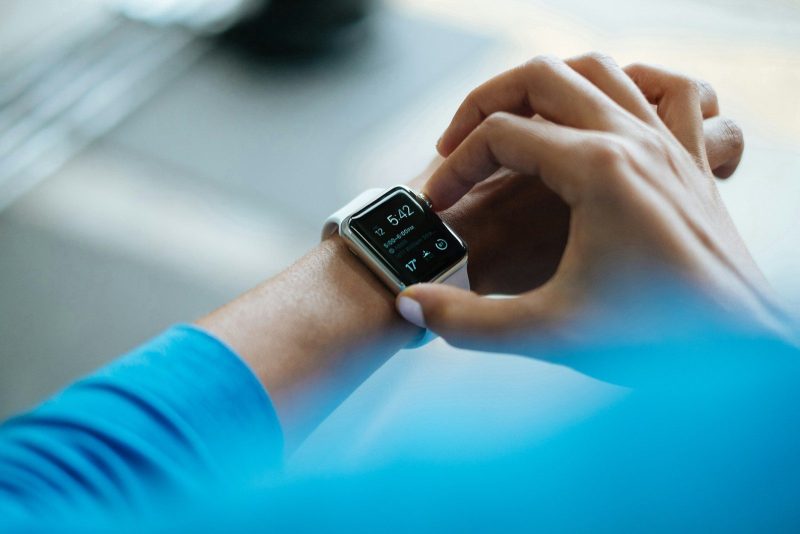
Wearable technology is becoming another tool employers can use to monitor workplace safety. In warehouses and other physically demanding environments, ergonomic sensors may track movements associated with back strain and other musculoskeletal injuries.
These devices can provide feedback when workers bend, twist, or lift in ways that may increase injury risk. Some systems also generate reports that employers can use to identify potentially hazardous tasks. But what happens when that information becomes relevant to a workers’ compensation claim?
Although wearable data doesn’t establish whether someone has suffered an injury, it could provide additional evidence about working conditions and physical demands.
How Ergonomic Wearables Monitor Workplace Movements
Some workplace wearables use motion sensors to measure body position, movement frequency, and other physical activity during a shift. Depending on the device, workers may receive vibrations or other feedback when they perform movements that the system identifies as potentially risky. These technologies are intended to support injury prevention rather than diagnose medical conditions.
According to OSHA’s warehousing safety guidance, manual material handling, repetitive movements, and awkward postures are important ergonomic hazards in warehouse environments.
Wearable sensors may help employers identify patterns associated with those risks, but the measurements require careful interpretation. For example, repeated forward bending may indicate exposure to a potential ergonomic hazard. It doesn’t necessarily mean the worker has developed a back injury.
Can Wearable Data Support an Injury Claim?
Workers’ compensation claims generally require evidence that an injury or occupational condition is connected to employment, subject to applicable state law. Medical records, incident reports, witness statements, and employment information often play important roles in that determination.
Wearable data could provide additional context. For example, records showing frequent lifting or sustained awkward postures might help document the physical demands of a job when a worker reports a repetitive-stress injury.
However, those records wouldn’t independently establish medical causation. A worker may develop back pain without a sensor identifying unusual movements. Likewise, a device might flag repeated bending without the worker suffering any injury. An experienced workers’ compensation attorney may examine whether available workplace data supports the reported circumstances of an injury and how it relates to other evidence.
Could Employers or Insurers Use the Data to Dispute Claims?
If wearable records are retained and become available during a claim, they could potentially be used to question or support an employee’s account.
Several issues may arise:
- Timing. Do the records show relevant activity around the reported injury date?
- Physical demands. Does the data document repetitive lifting, bending, or other movements associated with the employee’s duties?
- Accuracy. Was the device functioning properly, and were its measurements interpreted correctly?
- Completeness. Are records missing because the worker wasn’t wearing the device or because information wasn’t retained?
- Medical context. Do the sensor readings align with the worker’s symptoms, diagnosis, and treatment history?
A lack of unusual sensor readings doesn’t prove that an injury occurred outside work. Similarly, elevated ergonomic risk scores don’t establish that a particular task caused a medical condition.The significance of wearable data depends on the technology, the available records, and the broader evidence surrounding the claim.
What Privacy Questions Do Workplace Wearables Raise?
Workplace wearables can collect detailed information about employees’ physical movements, raising questions about how that data is stored, accessed, and used. Employers may use the information for safety training, ergonomic assessments, or operational planning. However, employees may not always understand what information is collected or how long it is retained.
Privacy protections vary depending on the jurisdiction, employer, technology, and nature of the information.
Movement data isn’t automatically classified as protected medical information simply because it relates to the body. However, employers should still consider applicable privacy and employment laws when collecting and using it. Clear policies regarding access, retention, and permitted uses can help reduce disputes.
What Injured Workers Should Do
Employees who experience an injury while using workplace monitoring technology should follow applicable reporting procedures and seek appropriate medical attention. Several additional steps may help preserve relevant information:
- Report the injury promptly. Follow workplace procedures and applicable workers’ compensation deadlines.
- Document the circumstances. Record when symptoms began, what tasks were being performed, and whether any incidents occurred.
- Ask about available sensor records. Determine whether the employer retains wearable data that may relate to the reported injury.
- Preserve related documentation. Keep copies of injury reports, medical records, work restrictions, and relevant communications.
- Seek legal guidance when necessary. An attorney can help determine whether wearable records should be requested or preserved through appropriate procedures.
Employees shouldn’t assume they have an automatic right to download every record generated by an employer-owned monitoring system. Access may depend on workplace policies, applicable law, and the circumstances of a claim.
Why Wearable Data Is Only Part of the Picture
Ergonomic wearables may help employers recognize hazardous movements and improve workplace safety practices. They may also become relevant when workers’ compensation claims involve questions about physical demands, injury timing, or workplace conditions. However, a movement sensor cannot replace a medical evaluation or independently determine whether an injury is work-related.
As these technologies become more common, understanding their capabilities and limitations will be important for employers, employees, and anyone evaluating workplace injury claims.